








John Deere Mower Seat: OEM & Aftermarket Replacement
A comfortable seat is essential for long hours on your John Deere mower. This guide covers how to choose the right OEM or aftermarket replacement, ensuring a comfortable and productive mowing experience.
Introduction to John Deere Mower Seats
A comfortable and supportive seat is critical for a positive mowing experience, especially when you’re tackling large properties. Over time, even the best John Deere mower seat can wear down, crack, or become damaged, leading to discomfort and reduced productivity. Whether you have a riding mower, a zero-turn, or even a compact tractor, a damaged seat needs attention. This guide will walk you through the process of selecting the correct replacement seat, whether you opt for an original equipment manufacturer (OEM) part or a suitable aftermarket alternative.
Recommended Parts for This Guide
9 parts we recommend — in stock, ships fast, one-click add to cart.
🔍 Looking for a specific part? Try our AI Part Finder — tell it your equipment and what you need, and it will find matching parts instantly.
Choosing the right riding mower seat can significantly impact your comfort and efficiency. Similarly, for those with zero-turn mowers, exploring zero turn mower seat options with high-back or suspension features can provide added support during long mowing sessions.
Identifying Your John Deere Mower Seat Type
Before you start shopping for a replacement, it's important to identify the type of seat currently on your John Deere mower. Here's a breakdown of common types:
- Standard Seats: These are typically found on entry-level riding mowers. They offer basic comfort and support. Consider options like our Mid Back Lawn Tractor Seat (GY20495) or the simple yet effective Black Seat (GY20063).
- High-Back Seats: Provide increased support for your back and shoulders, reducing fatigue during extended use. These are common on higher-end riding mowers and many zero-turn models, such as our popular High Back Lawn Tractor Seat (GY20496). For heavy-duty applications, consider a High Back Industrial Seat with Suspension or even one with armrests.
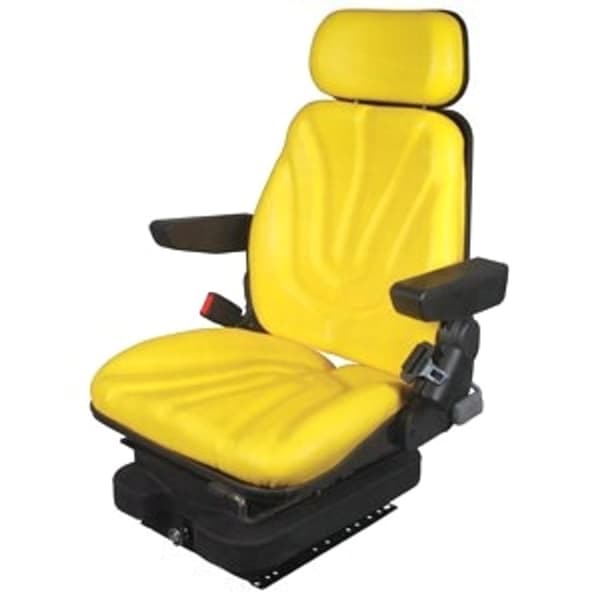
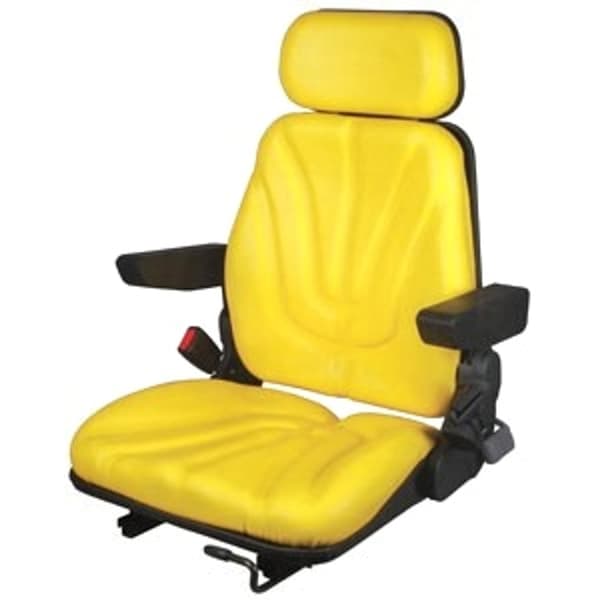
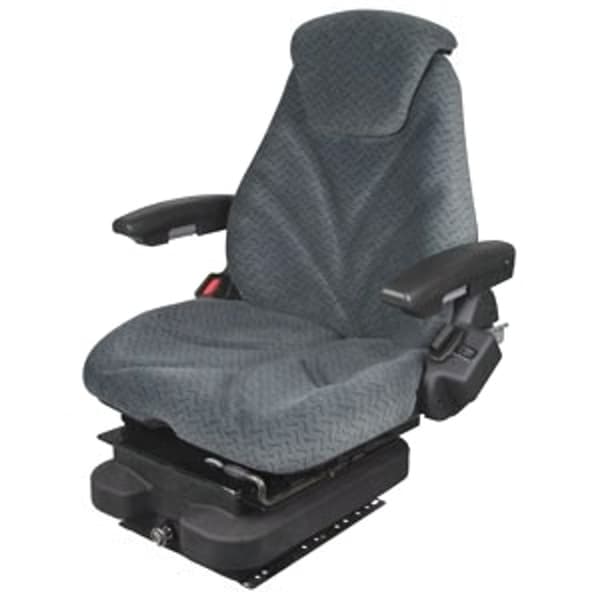
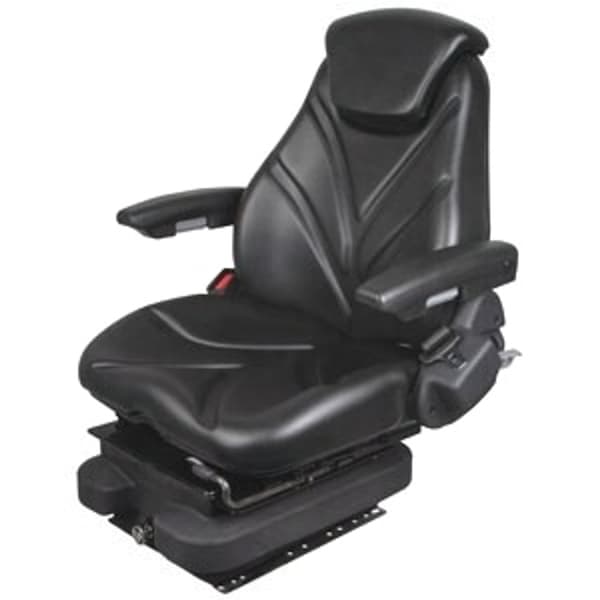
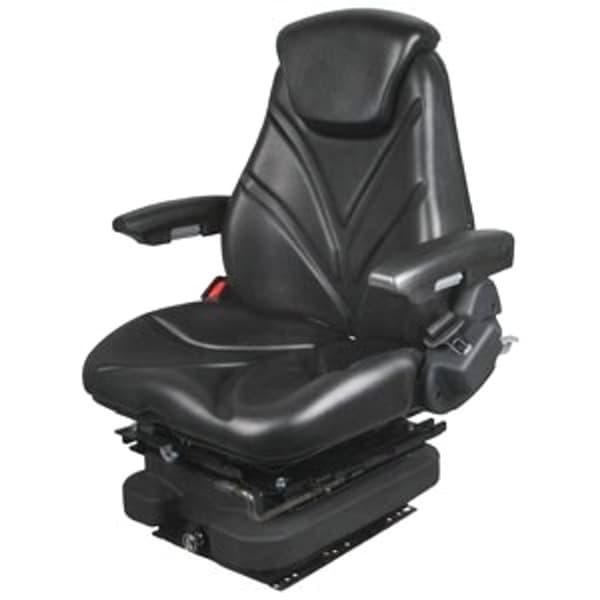
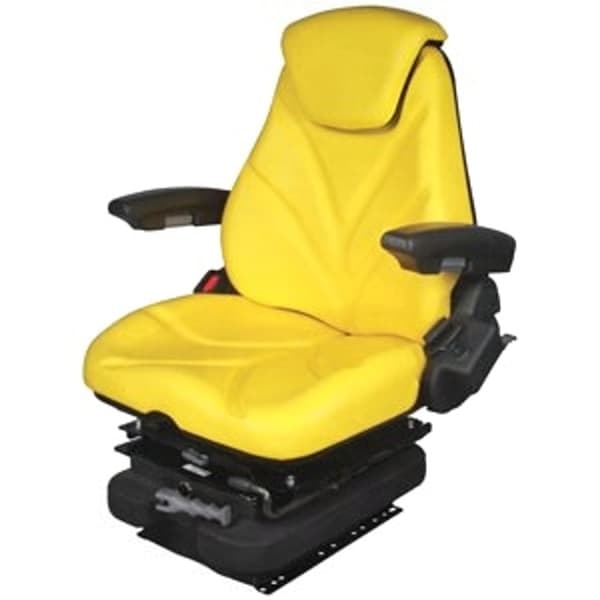
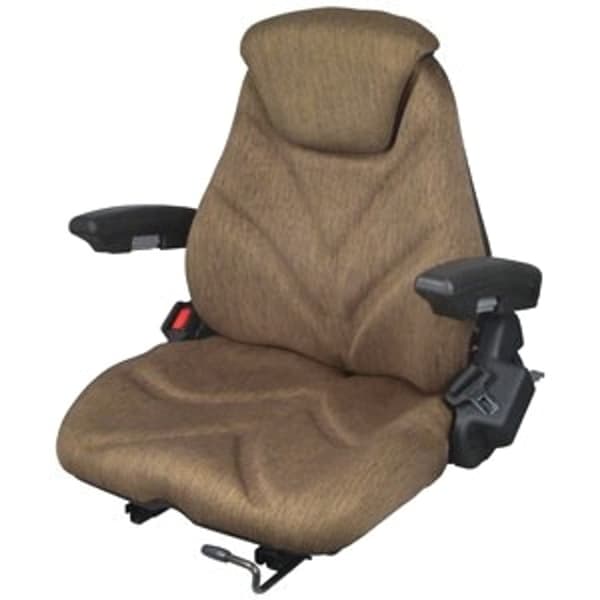
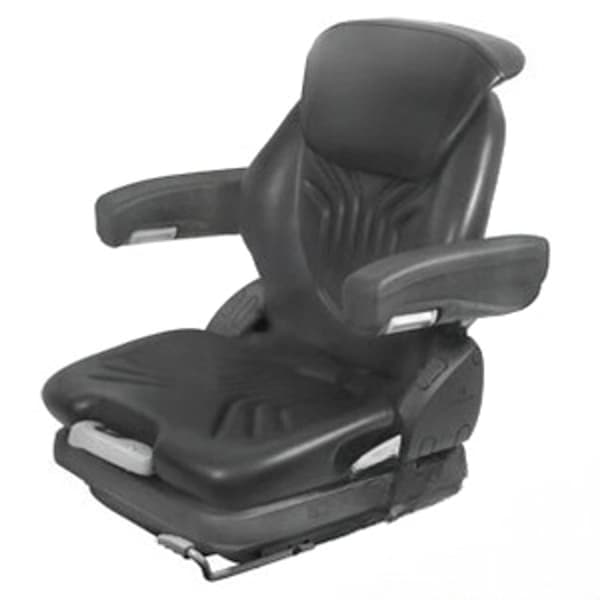
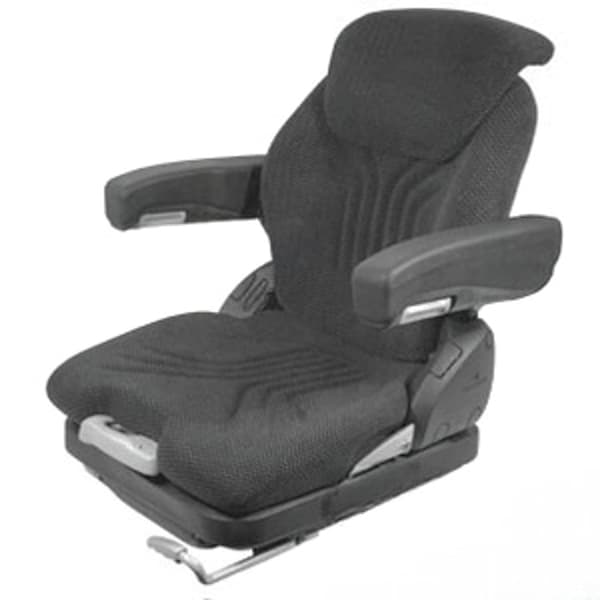
- Suspension Seats: These seats feature a suspension system to absorb bumps and vibrations, offering the most comfortable ride, especially on uneven terrain. These are common on zero turn mowers. Options include the AM124294 with slide track suspension, the AM131801 with suspension. For advanced comfort, consider various air suspension models like the F10 Series Low Pro Air Suspension Yellow Vinyl Seat, the F20 Series Low Pro Air Suspension Gray Cloth Seat, or the F20 Series Low Pro Air Suspension Black Vinyl Seat. We also offer advanced options such as the F20 Series with Isolator Low Pro Air Suspension Black Vinyl, or the F20 Series with Isolator Low Pro Mechanical Suspension Yellow Vinyl Seat. For premium comfort, explore our Grammer Seat Assembly in Black Vinyl or Charcoal Matrix Cloth. If you prefer a slide track system, consider the F20 Series Slide Track Brown Cloth Seat, complementing our popular F10 Series Slide Track Yellow Vinyl.
- Bucket Seats: These seats provide more support and containment, often found on larger riding mowers and tractors.
Pay attention to the features of your current seat, such as the height of the backrest, the presence of armrests, and whether it has a suspension system. This information will help you narrow down your search for a suitable replacement.
OEM vs. Aftermarket John Deere Mower Seats
When replacing your John Deere mower seat, you have two primary options: OEM (Original Equipment Manufacturer) seats and aftermarket seats. Here's a comparison to help you decide:
OEM Seats
- Pros:
- Guaranteed fit and compatibility with your specific John Deere mower model.
- Made to the same quality standards as the original seat.
- Maintains the original look and feel of your mower.
- Cons:
- Generally more expensive than aftermarket options.
- May have limited availability for older models.
Aftermarket Seats
- Pros:
- Often more affordable than OEM seats.
- Wide variety of styles and features available.
- May offer improved comfort or durability compared to the original seat.
- Cons:
- Fit and compatibility may not be guaranteed; careful research is essential.
- Quality can vary significantly between brands and models.
- May not perfectly match the original aesthetic of your mower. For specific aesthetic needs, such as a particular color, we offer options like the Yellow Seat (AM879503) or the Slide Track Yellow Vinyl Seat (F10ST2010).
Consider your budget, desired level of quality, and the importance of maintaining the original look of your mower when making your decision. We carry a variety of both OEM John Deere and aftermarket seats that fit many mowers, including Craftsman, Cub Cadet, Husqvarna, Toro, Ariens, Murray, Hustler, Scag, Exmark, Ferris, Snapper, Simplicity, and Dixie Chopper models. For example, if you have a Cub Cadet Mower Seat that needs replacing, carefully consider OEM versus aftermarket as well.
Finding the Right Replacement Seat
Once you've decided between OEM and aftermarket, you'll need to find the right replacement seat for your John Deere mower. Here's how:
- Identify your mower's model number: This is usually located on a sticker or plate on the frame of the mower. Knowing this is crucial for finding compatible parts.
- Consult your owner's manual: The manual may list the original seat part number or provide specifications that can help you find a suitable replacement.
- Measure your existing seat: Measure the width, depth, and height of your current seat. Also, measure the mounting bolt pattern (the distance between the mounting bolts). This information is essential for ensuring a proper fit.
- Check online retailers and parts suppliers: Search for replacement seats using your mower's model number and the seat dimensions you measured. Look for seats that are specifically designed to fit your John Deere model.
- Read customer reviews: See what other customers have to say about the seat's comfort, durability, and ease of installation.
Installing Your New John Deere Mower Seat
Installing a new mower seat is usually a straightforward process. Here's a general guide:
- Safety First: Disconnect the spark plug wire to prevent accidental starting. Wear safety glasses and gloves.
- Remove the Old Seat: Locate the bolts that secure the old seat to the mower's frame. Use a wrench or socket set to remove the bolts. You may need to use penetrating oil if the bolts are rusted.
- Clean the Mounting Area: Clean any dirt, debris, or rust from the mounting area on the mower's frame.
- Install the New Seat: Position the new seat on the mounting area, aligning the mounting holes with the holes in the frame.
- Secure the Seat: Install the bolts and tighten them securely. Be careful not to overtighten, as this could damage the seat or the frame.
- Reconnect the Spark Plug Wire: Reconnect the spark plug wire to the spark plug.
Safety Warning: Always disconnect the spark plug before performing any maintenance on your mower. This will prevent accidental starting and injury.
Important Note: Some seats may require minor modifications to fit properly. If you're not comfortable performing these modifications yourself, consider taking your mower to a qualified mechanic.
Extending the Life of Your New Mower Seat
To keep your new John Deere mower seat in good condition for years to come, follow these tips:
- Use a seat cover: A seat cover will protect your seat from the elements, such as sun, rain, and snow. This is particularly useful if you don't have indoor storage for your mower.
- Clean the seat regularly: Wipe down the seat with a damp cloth and mild soap to remove dirt and grime.
- Protect from UV rays: If your mower is stored outdoors, consider using a UV protectant spray on the seat to prevent cracking and fading.
- Store indoors when possible: When not in use, store your mower in a garage or shed to protect it from the elements.
While you're taking care of your mower, don't forget to check other essential parts like belts, blades, spindles, pulleys, filters, and spark plugs. Regular maintenance will keep your John Deere running smoothly.
Considering a riding mower bagger or zero turn bagger? Now is a good time to check if your mower is compatible and install one to improve your lawn care.
Additionally, if you're looking to improve your mulching capabilities, explore mower mulching kits and zero turn mulching kits to see if your model could benefit.
Conclusion
Replacing your John Deere mower seat is a relatively simple and affordable way to improve your mowing experience. By following the tips in this guide, you can find the perfect replacement seat that fits your needs and budget, whether you choose an OEM or aftermarket option. Remember to prioritize comfort and safety when making your selection, and take care of your new seat to ensure it lasts for years to come. Don't forget regular maintenance checks on other parts to keep your mower running optimally!
Ready to upgrade your mowing experience? Shop our extensive selection of John Deere mower seats and other parts at Madison Tractor Company today! We carry a wide variety of parts for John Deere, Craftsman, Cub Cadet, Husqvarna, Toro, Ariens, Murray, Hustler, Scag, Exmark, Ferris, Snapper, Simplicity, and Dixie Chopper.
🔍 Can't Find Your Part?
Use our AI-Powered Part Finder to search by your equipment's make, model, and what you need. It's the fastest way to find the exact part for your machine.
Try the Part Finder →Part of our comprehensive guide
Mower Accessories Guide: Seats, Baggers, Mulch Kits & More