








Mower Blade Cross Reference: OEM to Aftermarket
Finding the right mower blade can be confusing with different brands and part numbers. This guide helps you cross-reference OEM part numbers to aftermarket equivalents, ensuring you get the perfect fit and performance for your mower.
Keeping your lawn mower blades sharp is crucial for a healthy, well-maintained lawn. Dull blades tear the grass, leaving it susceptible to disease and resulting in an uneven cut. While OEM (Original Equipment Manufacturer) blades are always an option, aftermarket blades often provide comparable performance at a more competitive price. Many of our XHT mower blades offer superior strength and durability. But how do you know which aftermarket blade is the right replacement? This mower blade cross reference guide will help you navigate the process and find the perfect blade for your machine.
Recommended Parts for This Guide
10 parts we recommend — in stock, ships fast, one-click add to cart.
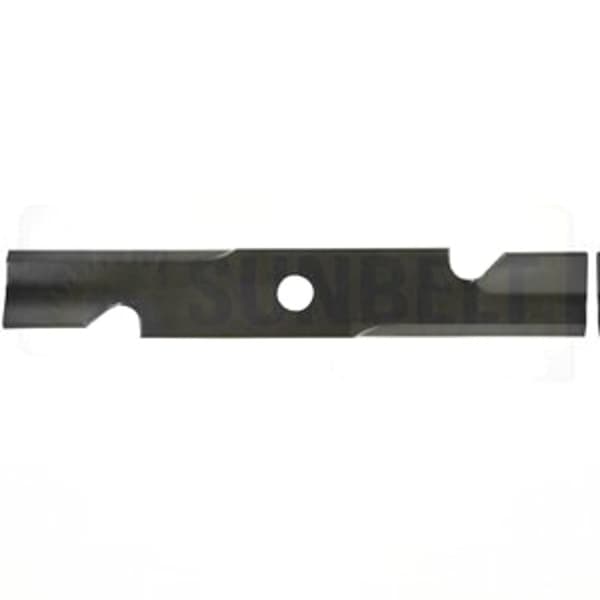
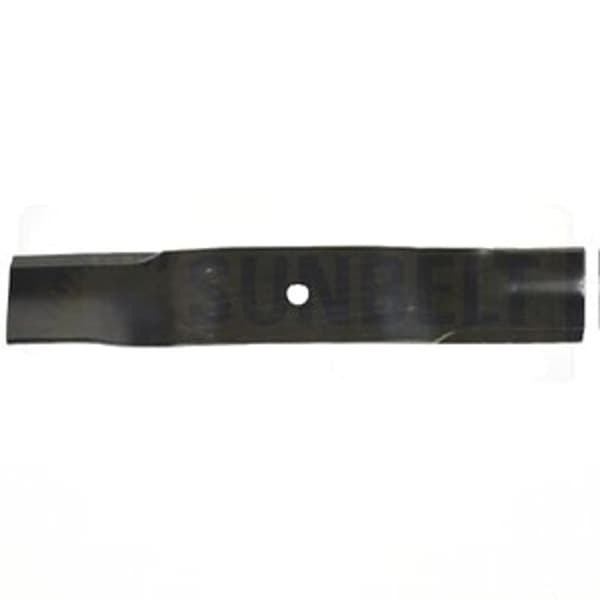
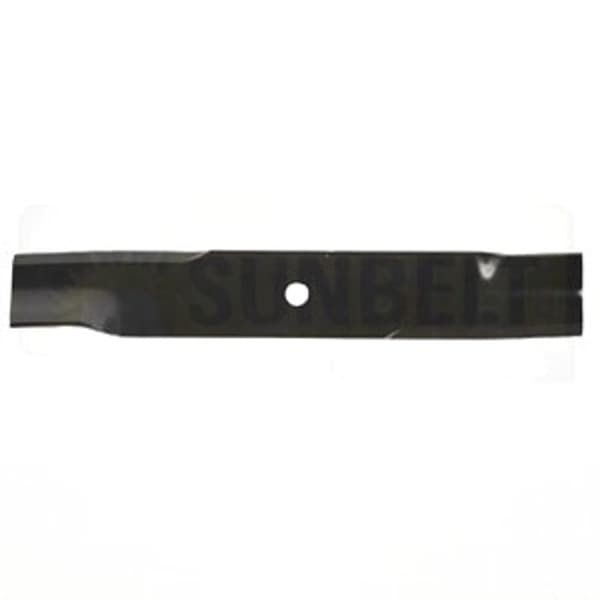
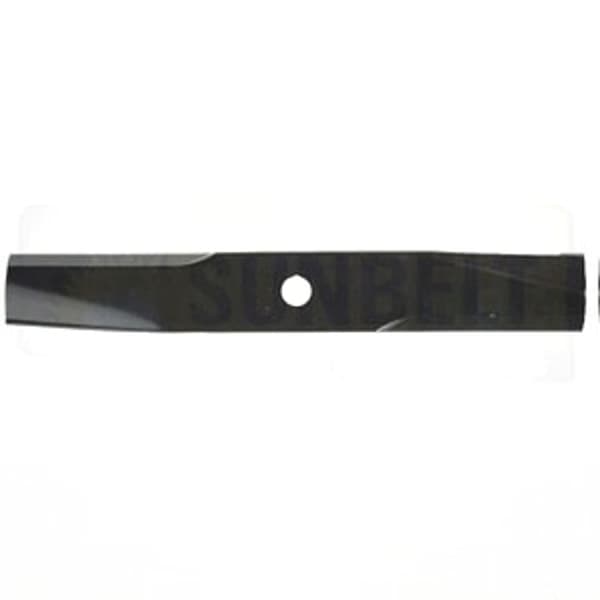
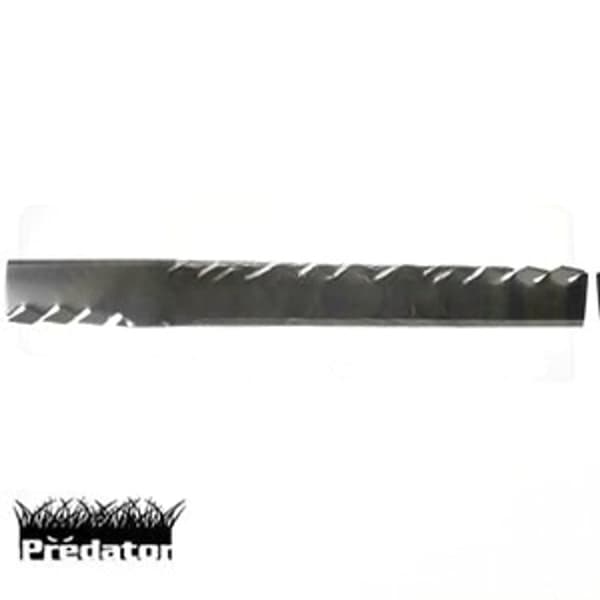
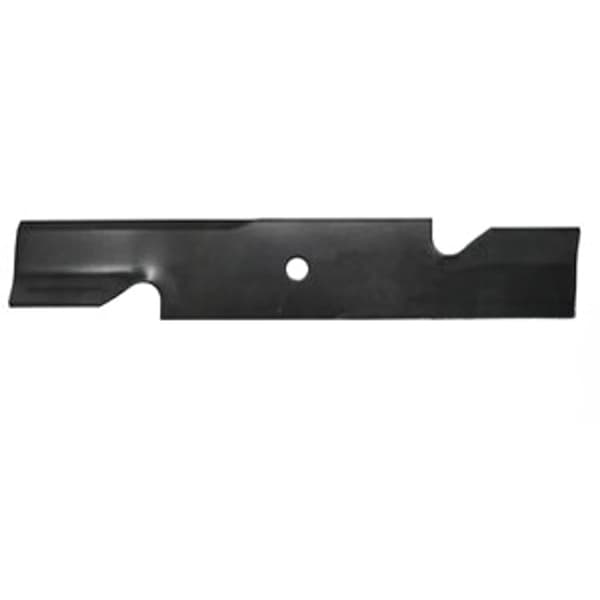
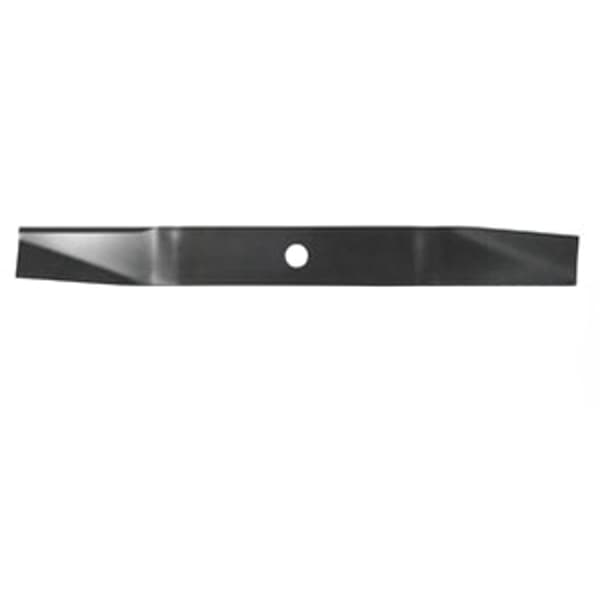
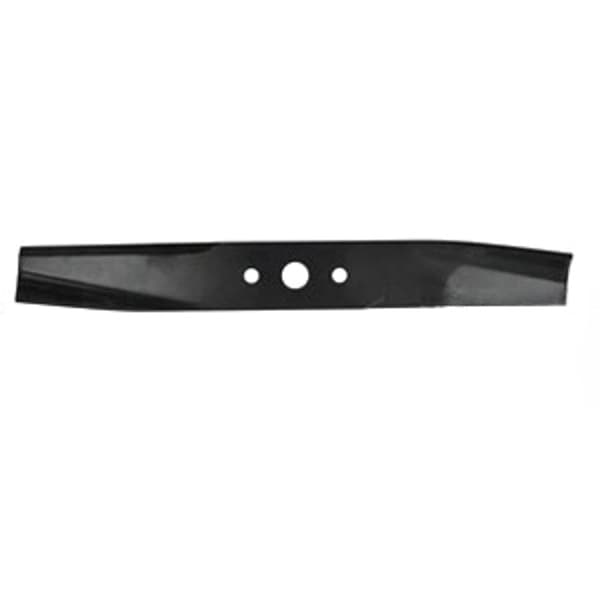
🔍 Looking for a specific part? Try our AI Part Finder — tell it your equipment and what you need, and it will find matching parts instantly.
Understanding Mower Blade Part Numbers
Mower blade part numbers can seem like a jumble of letters and numbers, but they hold valuable information. OEM part numbers are specific to the manufacturer (e.g., John Deere, Craftsman, Cub Cadet). Aftermarket blades, on the other hand, may have their own numbering system or reference the OEM numbers they are designed to replace. Understanding how these numbers relate is key to finding the right replacement.
- WN-A-00750226: Replacement: 00750226
- A-00753841: Fits SAT8, SR120, TW96. Replacement: 00753841
- WP753841: Fits SAT8, SR120, TW96. Replacement: 00753841
- 753841: Fits SAT8, SR120, TW96. Replacement: 00753841
- 404-753841: Fits SAT8, SR120, TW96. Replacement: 00753841
- A-00753842: Fits SAT8, SR120, TW96. Replacement: 00753842
- WP753842: Fits SAT8, SR120, TW96. Replacement: 00753842
- 753842: Fits SAT8, SR120, TW96. Replacement: 00753842
OEM vs. Aftermarket Part Numbers
OEM Part Numbers: These are assigned by the original manufacturer of the mower. They ensure the blade is designed and manufactured to the exact specifications required for that particular model.
Aftermarket Part Numbers: These are assigned by third-party blade manufacturers. They often include a cross-reference to the OEM part number(s) that the blade replaces. Some aftermarket blades may also list the dimensions of the blade directly.
Decoding the Numbers
Unfortunately, there's no universal system for decoding mower blade part numbers. However, some common patterns include:
- Brand Identifier: The part number might start with a code representing the manufacturer (e.g., JD for John Deere).
- Blade Length: The length of the blade is often included, either in inches or millimeters. For example, we stock 14-inch XHT blades and longer options.
- Center Hole Shape: The shape of the center hole (e.g., round, star, 5-point star) is sometimes indicated by a code or letter.
- Mounting Hole Dimensions: Some numbers include codes for the size and spacing of mounting holes.
Using a Mower Blade Cross Reference Tool
The easiest way to find the right aftermarket blade is to use a mower blade cross reference tool. Many online retailers, including Madison Tractor Company, offer these tools on their websites. Here's how to use them:
- Locate Your OEM Part Number: This is usually found in your mower's owner's manual or stamped directly on the blade itself. If you can't find it on the blade, consult your manual or look it up online using your mower's model number.
- Enter the Part Number: Type the OEM part number into the cross-reference tool search bar.
- Review the Results: The tool will display a list of compatible aftermarket blades. Check the blade specifications (length, center hole, mounting holes) to ensure a match.
For example, if you are looking for a replacement for a John Deere mower blade, you would first locate the John Deere part number and then enter it into the cross-reference tool on our website. You can also check out our dedicated article on John Deere Mower Blades: OEM Part Numbers by Model for assistance.
Key Blade Specifications to Consider
Even with a cross-reference tool, it's important to double-check the blade specifications to ensure compatibility. Here are the key measurements to consider:
- Length: Measure the blade from tip to tip, following the contour of the cutting edge. A slight variation (e.g., 1/4 inch) is usually acceptable, but larger discrepancies can affect cutting performance.
- Center Hole Shape and Size: This is crucial for proper mounting. Common shapes include round, star, 5-point star, and double-D. Make sure the aftermarket blade has the same center hole shape and diameter as your original blade.
- Mounting Holes: Some blades have additional mounting holes. Measure the diameter and spacing of these holes and ensure they match the aftermarket blade.
- Blade Thickness: While less critical, blade thickness can affect durability. Thicker blades generally last longer, but may also require more engine power.
- Blade Type: Standard lift, high lift, mulching, and gator blades all have different designs and cutting characteristics. Choose a blade type that matches your desired cutting performance. For example, if you want to mulch, ensure the replacement blade is a Predator mulching blade.
If you have a Craftsman 42-inch mower, you can find more specific information on blade sizes and part numbers in our article: Craftsman 42-Inch Mower Blades: Sizes & Part Numbers.
Understanding Blade Types: Standard, High Lift, and Mulching
Choosing the right blade type can significantly impact the quality of your lawn. Here’s a brief overview of the most common types:
- Standard Lift Blades: These blades are general-purpose and create a moderate lift, discharging clippings effectively.
- High Lift Blades: Designed with a more pronounced curve, high lift blades generate greater suction, ideal for bagging clippings and achieving a cleaner cut, especially in thick grass. These are also beneficial in environments where you want to throw the grass clippings further away from the mower.
- Mulching Blades: These blades have a unique curved surface and cutting edge designed to finely chop grass clippings into small pieces, which are then returned to the lawn as fertilizer. Look for a blade design with multiple cutting edges and a curved surface to ensure that the clippings are finely mulched. For specialized mulching, consider a John Deere mulching blade.
Mower Brands and Blade Compatibility
Madison Tractor Company carries a wide variety of blades to fit many popular mower brands, including:
- John Deere: Known for their durability and performance, John Deere mowers require high-quality blades for optimal cutting.
- Craftsman: A popular choice for homeowners, Craftsman mowers are versatile and require blades that are readily available and easy to install.
- Cub Cadet: Cub Cadet mowers are known for their robust construction and powerful engines, requiring blades that can withstand heavy use. See Cub Cadet Mower Blades: All Models & Deck Sizes for more information.
- Husqvarna: Husqvarna offers a wide range of mowers, from residential to commercial, each requiring specific blade types for optimal performance. Check out Husqvarna Mower Blades: YTH, Z254 & TS Series for more details.
- Toro: Toro mowers are known for their innovative features and reliable performance, requiring blades that are designed to work seamlessly with their cutting decks. Our Toro Mower Blades: TimeCutter & Titan Part Numbers article can help you find the right fit.
- Ariens: Ariens mowers are built for durability and performance, requiring blades that can handle tough mowing conditions.
- Murray: Murray mowers are known for their affordability and ease of use, requiring blades that are cost-effective and easy to replace.
- Hustler: Hustler zero-turn mowers are popular with commercial landscapers, and require tough blades designed for heavy use. Refer to Hustler Mower Blades: Raptor, FasTrak & Super Z for more assistance.
- Scag: Scag mowers are built for professional use, needing blades that can withstand constant operation. Learn more in our article Scag Mower Blades: Tiger Cat, Cheetah & V-Ride.
- Exmark: Exmark mowers are a staple for landscaping businesses, requiring blades that provide a clean and efficient cut. You can find part numbers in our guide Exmark Mower Blades: Lazer Z & Radius Part Numbers.
- Ferris: Ferris mowers often feature suspension systems, so durable blades are a must for these machines.
- Snapper: Snapper mowers are known for their simple design, requiring blades that are easy to install and maintain.
- Simplicity: Simplicity mowers prioritize a quality cut, requiring blades that are designed for precision and evenness.
- Dixie Chopper: Dixie Chopper mowers are designed for high-speed mowing, needing blades that can withstand the rigors of fast operation.
Safety First: Mower Blade Installation and Maintenance
Safety is paramount when working with mower blades. Always follow these precautions:
- Disconnect the spark plug wire: Before working on your mower, disconnect the spark plug wire to prevent accidental starting.
- Wear heavy-duty gloves: Mower blades are sharp! Wear gloves to protect your hands.
- Use the right tools: Use a wrench or socket that fits the blade bolt properly. Avoid using pliers, as they can damage the bolt head.
- Torque to specifications: Tighten the blade bolt to the torque specification listed in your owner's manual. Overtightening or undertightening can be dangerous.
- Check blade balance: After sharpening or replacing a blade, check its balance. An unbalanced blade can cause vibration and damage to the mower. A simple blade balancer tool can be used for this.
Regular maintenance, including blade sharpening and replacement, is essential for optimal mower performance. Inspect your blades regularly for signs of damage, such as cracks, bends, or excessive wear. Replace damaged blades immediately.
Beyond Blades: Other Essential Mower Parts
While blades are crucial, don't forget about other essential mower parts. Madison Tractor Company also carries a wide range of:
- Belts: Drive belts, deck belts, and more.
- Spindles: Complete spindle assemblies and individual bearings.
- Pulleys: Engine pulleys, deck pulleys, and idler pulleys.
- Filters: Air filters, oil filters, and fuel filters.
- Spark Plugs: Keep your engine running smoothly.
- Bearings: Replacement bearings for wheels, spindles, and more.
- Shear Pins: Protect your snow blower from damage.
Regularly inspecting and replacing these parts will help ensure your mower operates reliably for years to come.
By using a mower blade cross reference tool and understanding blade specifications, you can confidently choose the right aftermarket replacement blade for your mower. Remember to prioritize safety during installation and maintenance, and don't hesitate to contact Madison Tractor Company for assistance.
Ready to find the perfect mower blade or other essential parts for your machine? Shop our selection of John Deere parts, Craftsman parts, Cub Cadet parts, Husqvarna parts, Toro parts and more at Madison Tractor Company! We're here to help you keep your outdoor power equipment running smoothly. You can also use our AI-Powered Part Finder to search for parts by your specific make and model.
Part of our comprehensive guide
Mower Blade Buying Guide: Find the Right Blades for Your Mower