








OEM vs Aftermarket Mower Blades: Which to Buy?
Choosing between OEM and aftermarket mower blades can be tricky. This guide breaks down the differences in quality, price, and performance to help you choose the right blades for your lawn mower and your budget.
Introduction: The Heart of a Clean Cut
A well-manicured lawn starts with sharp, reliable mower blades. But when it's time for a replacement, you're faced with a choice: stick with Original Equipment Manufacturer (OEM) blades or opt for aftermarket options. Both have their advantages and disadvantages, and understanding the differences is key to making an informed decision. At Madison Tractor Company, we carry a wide range of both OEM and aftermarket blades for brands like John Deere, Craftsman, Cub Cadet, Husqvarna, Toro, Scag, and more.
Recommended Parts for This Guide
10 parts we recommend — in stock, ships fast, one-click add to cart.
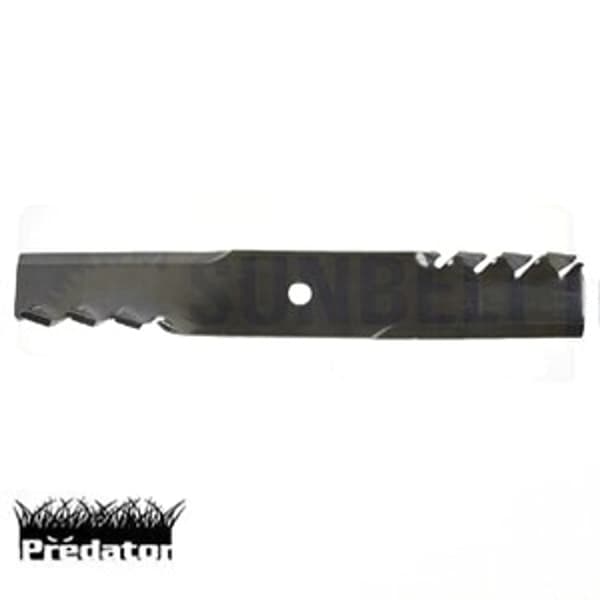
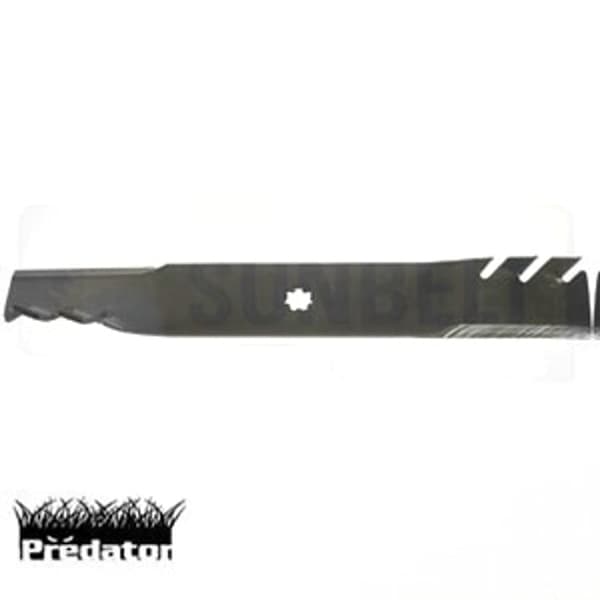
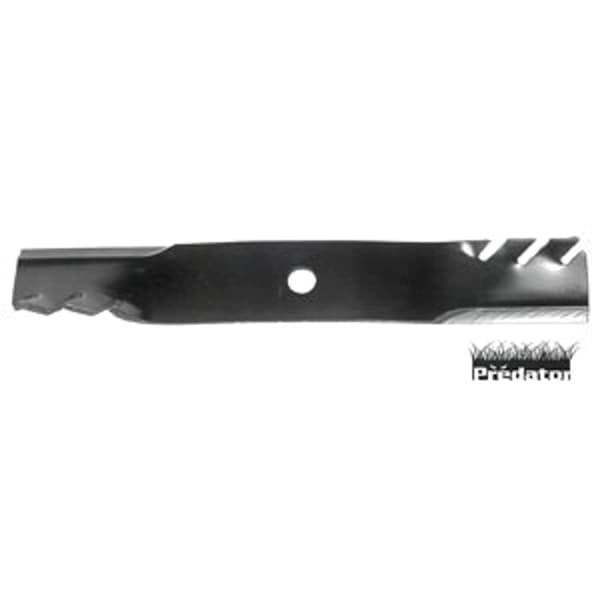
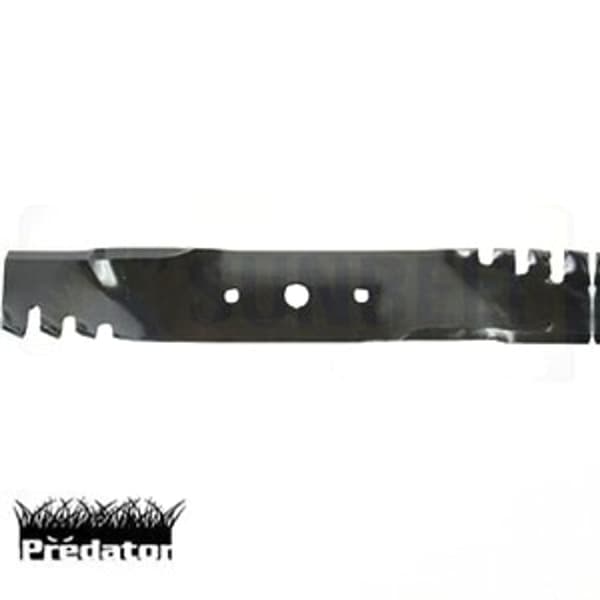
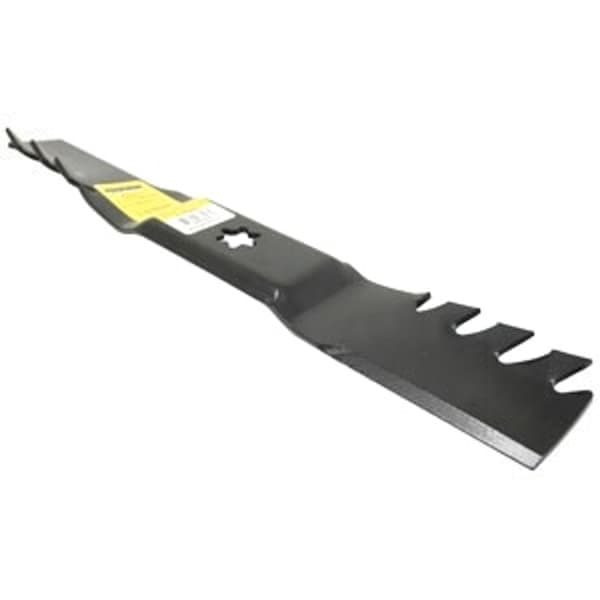
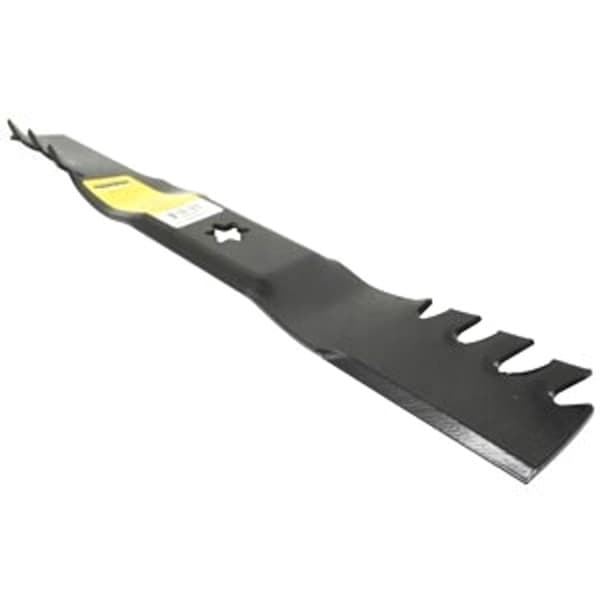
🔍 Looking for a specific part? Try our AI Part Finder — tell it your equipment and what you need, and it will find matching parts instantly.
This guide will walk you through the key considerations to help you decide which type of blade best suits your needs, your mower, and your budget. We'll cover everything from quality and performance to price and warranty, so you can keep your lawn looking its best.
Understanding OEM Mower Blades
OEM blades are manufactured by or specifically for the original equipment manufacturer (like John Deere, Toro, or Husqvarna) and are designed to the exact specifications of your mower model. When you buy an OEM blade, you're getting a part that the manufacturer has rigorously tested and approved for optimal performance and safety.
The Advantages of OEM Blades
- Precise Fit: OEM blades are guaranteed to fit your mower deck perfectly, ensuring proper balance and reducing the risk of vibration and damage. Finding the right blade for your John Deere mower becomes straightforward.
- Guaranteed Performance: Designed to work seamlessly with your mower's engine and deck, OEM blades deliver consistent cutting performance.
- Enhanced Safety: OEM blades undergo strict quality control and safety testing, minimizing the risk of blade failure or projectile hazards.
- Warranty Compliance: Using OEM parts can help maintain your mower's warranty coverage. Some manufacturers may void warranties if aftermarket parts cause damage.
The Drawbacks of OEM Blades
- Higher Cost: OEM blades generally cost more than aftermarket alternatives.
- Limited Availability: Depending on your mower model or location, OEM blades might be harder to find than aftermarket options. We strive to keep common blades in stock at Madison Tractor Company.
Exploring Aftermarket Mower Blades
Aftermarket mower blades are manufactured by third-party companies and are designed to be compatible with a range of mower models. These blades often offer a more budget-friendly alternative to OEM options.
The Advantages of Aftermarket Blades
- Lower Cost: Aftermarket blades are typically more affordable than OEM blades.
- Wider Availability: Aftermarket blades are often easier to find and purchase, both online and in local stores. Madison Tractor Company carries a variety of aftermarket blades from trusted manufacturers.
- Variety of Options: You may find aftermarket blades with specialized features, such as mulching blades with enhanced cutting edges or blades designed for specific types of grass.
The Drawbacks of Aftermarket Blades
- Inconsistent Quality: The quality of aftermarket blades can vary significantly between manufacturers. Some may be made from inferior materials or have poor construction.
- Potential Fit Issues: While designed to be compatible, aftermarket blades may not always fit perfectly, leading to vibration, uneven cuts, or even damage to your mower. Always double-check the specifications and compatibility before purchasing. Make sure your new Craftsman 42-inch mower blades are a precise match!
- Reduced Performance: Lower-quality aftermarket blades may not deliver the same cutting performance as OEM blades.
- Safety Concerns: Substandard aftermarket blades may be more prone to cracking, bending, or breaking, posing a safety risk.
- Potential Warranty Issues: Using aftermarket parts *could* void your mower's warranty, but is not a certainty, *especially* if the aftermarket part does not cause the damage.
Key Factors to Consider When Choosing
When deciding between OEM and aftermarket mower blades, consider the following factors:
Mower Brand and Model
The make and model of your mower are crucial factors. Certain brands, like Scag and Exmark, known for their commercial-grade equipment, might benefit more from OEM blades to maintain optimal performance and durability. Other brands, such as Murray, may offer more flexibility with aftermarket options.
If you own a high-end mower such as a Scag Tiger Cat or Exmark Lazer Z, sticking with OEM blades is often recommended to ensure the longevity and performance of your investment. Conversely, for older or less expensive mowers, aftermarket blades might be a more cost-effective solution. Likewise, it's important to find the right type of blade for your Hustler Raptor or Toro TimeCutter.
Blade Type and Function
Consider the type of blade you need based on your mowing habits and lawn type. Common blade types include:
- Standard (High-Lift) Blades: These blades create strong suction, lifting grass for a clean, even cut and efficient bagging.
- Mulching Blades: Designed to finely chop grass clippings and return them to the lawn as fertilizer.
- Low-Lift Blades: Ideal for sandy conditions to minimize dust and debris.
- Gator Blades (or similar): A hybrid blade combining high-lift and mulching capabilities for versatile performance.
Aftermarket manufacturers often offer a wider variety of specialized blades, so you might find an option that perfectly suits your specific needs. However, ensure the blade's quality and compatibility before purchasing.
Quality and Durability
Assess the quality of the blade's materials and construction. Look for blades made from high-carbon steel or hardened steel for increased durability and longevity. Check customer reviews and ratings to get an idea of the blade's performance and reliability. While some may seem expensive, a high-quality blade will last longer than a cheap blade.
Price and Budget
Determine your budget and compare the prices of OEM and aftermarket blades. While aftermarket blades are generally cheaper, consider the potential long-term costs of replacing them more frequently due to lower quality. Balancing price and quality is key to making a smart decision. It is important to factor in other replacement parts like belts, spindles, pulleys, filters, spark plugs, bearings, and shear pins, if you are doing a full tune up.
Warranty and Returns
Check the warranty offered by the manufacturer or retailer. A good warranty can protect you against defects in materials or workmanship. Also, inquire about the return policy in case the blade doesn't fit or perform as expected.
Installation and Safety Tips
Safety First: Before installing or replacing mower blades, always disconnect the spark plug wire to prevent accidental starting. Wear heavy gloves to protect your hands from sharp edges.
- Consult Your Manual: Refer to your mower's owner's manual for specific instructions on blade removal and installation.
- Proper Torque: Use a torque wrench to tighten the blade bolts to the manufacturer's specified torque. Over-tightening can damage the bolt or spindle, while under-tightening can cause the blade to loosen and create a safety hazard.
- Balance Check: After installing the new blade, check for any signs of vibration or imbalance. If you notice excessive vibration, stop the mower immediately and re-check the blade installation.
Warning: Always inspect your mower blades for damage before each use. Replace any blades that are bent, cracked, or excessively worn.
Maintaining Your Mower Blades
Proper maintenance can significantly extend the life of your mower blades and ensure optimal cutting performance:
- Sharpen Regularly: Sharpen your blades at least once a season, or more frequently if you mow frequently or encounter rough terrain.
- Clean After Each Use: Remove grass clippings and debris from the blades after each mowing session.
- Store Properly: Store your mower in a dry place to prevent rust and corrosion.
Conclusion: Making the Right Choice
The decision between OEM and aftermarket mower blades ultimately depends on your specific needs and priorities. If you prioritize quality, performance, and warranty compliance, OEM blades are often the best choice. However, if you're on a tight budget and willing to accept some compromises in quality, aftermarket blades can be a viable option. Carefully weigh the pros and cons of each type of blade and consider the factors outlined in this guide to make an informed decision.
Whether you need blades for your Cub Cadet, Husqvarna, Ariens, Ferris, Snapper, Simplicity, or Dixie Chopper mower, we offer a wide selection to keep your lawn looking pristine.
Shop Mower Blades at Madison Tractor
Ready to upgrade your mower blades? Browse our extensive selection of OEM and aftermarket blades at Madison Tractor Company. We carry top brands like John Deere, Craftsman, Cub Cadet, Husqvarna, and more. Find the perfect blades to keep your lawn looking its best. Shop our mower blade collection today and experience the difference! You can also use our AI-Powered Part Finder to search for parts by your specific make and model.
Part of our comprehensive guide
Mower Blade Buying Guide: Find the Right Blades for Your Mower