


John Deere 1750V Tractor Parts
1750V parts and accessories
The John Deere 1750V MaxEmerge planter, while not a tractor, relies on robust tractors to pull it through fields. This high-capacity planter was crucial for boosting planting efficiency. Selecting the right tractor, typically in the 100-150 HP range, is essential to maximize the 1750V's planting performance. Ensure your tractor has the hydraulic capacity and PTO power to efficiently operate this planter for optimal planting speeds and consistent seed placement.
Choosing the right tractor to pull the John Deere 1750V planter is critical for successful planting operations. While the 1750V itself doesn't have engine specs or PTO horsepower, the tractor required to pull it needs substantial power and hydraulic capacity. Tractors in the 100-150 horsepower range are generally recommended, depending on field conditions, planting width and desired speed. Key considerations include the tractor's hydraulic flow rate, which should be sufficient to operate the planter's row markers, seed meters, and other hydraulic functions. PTO horsepower is also important for planters with ground-driven or PTO-driven components. Transmission type can influence efficiency; a powershift transmission allows for on-the-go speed adjustments to maintain optimal planting depth and seed spacing. Popular tractor choices for pulling the 1750V often include models within the John Deere 6000 and 7000 series, as well as similar models from other manufacturers like Case IH and New Holland. These tractors offer the necessary power, hydraulic capacity, and reliable performance required for precision planting.
Specifications
| Recommended Tractor HP | 100-150 HP |
|---|---|
| Hydraulic Flow (Tractor) | Minimum 20 GPM |
| PTO (if planter driven) | 540 RPM |
| Row Configurations | Various, typically 8-16 rows |
| Seed Metering | Vacuum Metering |
| Hopper Capacity | Varies by model |
| Down Pressure System | Adjustable Spring or Pneumatic |
Maintenance Tips
- Hydraulic System Check: Regularly inspect the tractor's hydraulic system for leaks, ensure proper oil levels, and replace hydraulic filters according to the manufacturer's recommendations to maintain optimal planter operation.
- Tire Pressure Monitoring: Maintain proper tire pressure on both the tractor and planter to minimize soil compaction and ensure consistent planting depth.
- Hitch Inspection: Routinely inspect the tractor's drawbar or 3-point hitch and the planter's hitch components for wear or damage. Replace worn parts promptly to prevent failures during planting.
History & Background
The John Deere 1750V MaxEmerge planter was a popular choice for farmers seeking high-capacity and precise planting. While the planter itself doesn't have a production timeline, its design and features were integral to advancements in planting technology during the late 20th and early 21st centuries. It was designed to increase planting speed and accuracy, contributing significantly to higher yields.
Frequently Asked Questions
What size tractor is needed for the John Deere 1750V planter?
Generally, a tractor in the 100-150 horsepower range is recommended for the 1750V, depending on the number of rows, terrain, and desired planting speed. Larger planters or hilly conditions require more horsepower.
What hydraulic requirements does the 1750V planter have?
The 1750V typically requires a minimum hydraulic flow rate of 20 GPM from the tractor to operate its row markers, seed meters, and other hydraulic functions. Consult the planter's manual for specific requirements.
How do I calibrate the seed meters on the John Deere 1750V?
Calibration procedures vary depending on the planter's configuration. Generally, it involves setting the desired seeding rate, measuring the actual seed output over a specific distance or time, and adjusting the meter settings accordingly. Refer to the planter's manual for detailed calibration instructions.
What are some common issues to watch out for when operating a 1750V planter?
Common issues include vacuum leaks in the seed meters, worn seed tubes, improper down pressure settings, and malfunctioning row markers. Regular inspection and maintenance are crucial for preventing these problems.
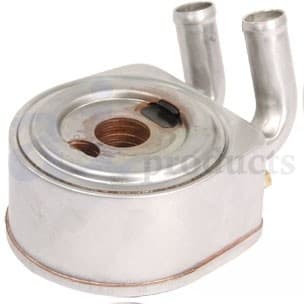
RE31929 - Engine Oil Cooler
SKU: RE31929
21 in stock
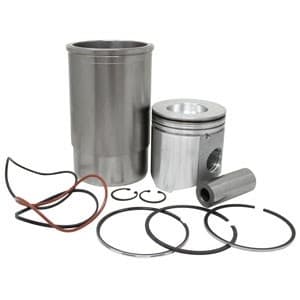
RE30250 - Piston Liner Kit
SKU: RE30250
128 in stock
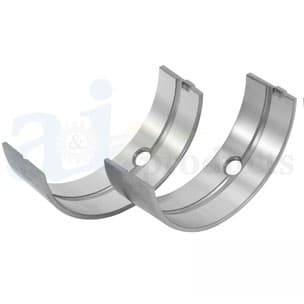
RE27368 - Main (.030") Bearing
SKU: RE27368
6 in stock
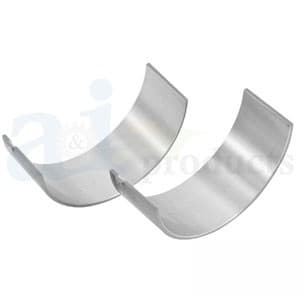
RE27364 - Connecting Rod (.030") Bearing Set
SKU: RE27364
36 in stock
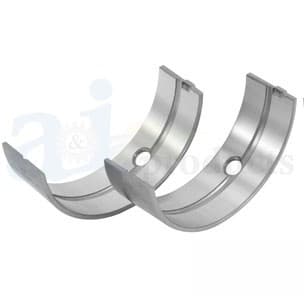
RE27360 - Main (.020") Bearing
SKU: RE27360
96 in stock
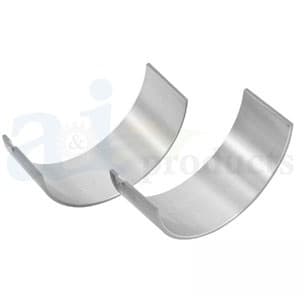
RE27358 - Connecting Rod (.020") Bearing Set
SKU: RE27358
Out of stock
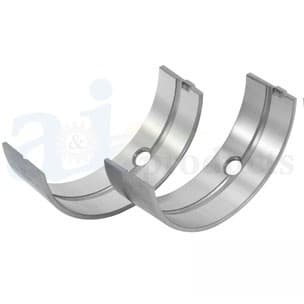
RE27353 - Main (.010") Bearing
SKU: RE27353
228 in stock
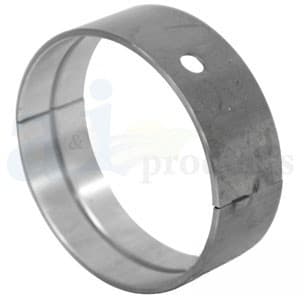
RE27352 - Main (Std) Bearing
SKU: RE27352
160 in stock
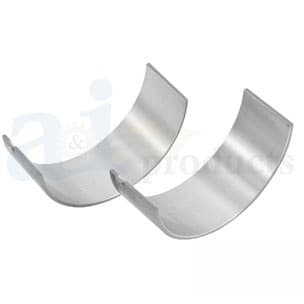
RE27349 - Connecting Rod (.010") Bearing Set
SKU: RE27349
159 in stock
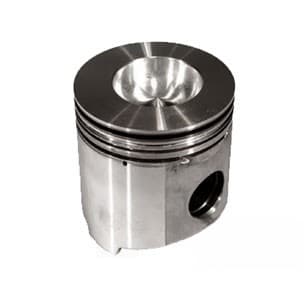
RE19282 - PISTON
SKU: RE19282
14 in stock
R80135 - Oil Filler Cap Gasket
SKU: R80135
29 in stock
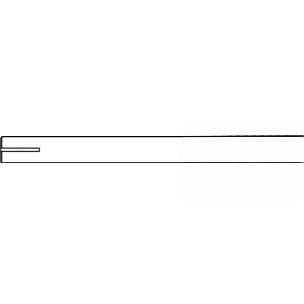
T29109 - Tie Rod Tube
SKU: T29109
94 in stock
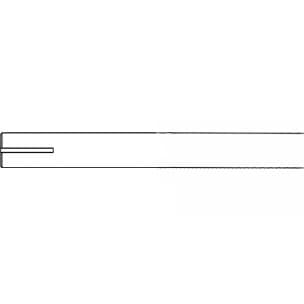
T29106 - Tie Rod Tube
SKU: T29106
16 in stock
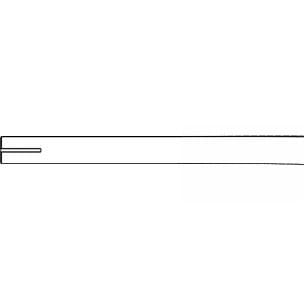
T25901 - Tie Rod Tube
SKU: T25901
138 in stock
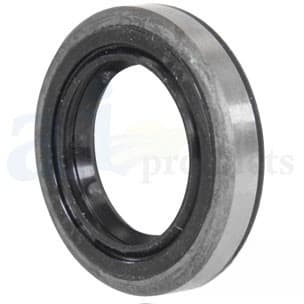
T22260 - Steering Shaft Seal
SKU: T22260
29 in stock
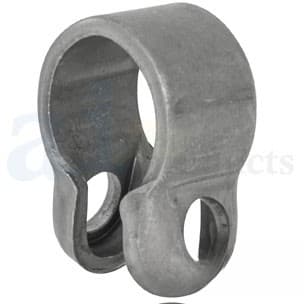
R28023 - Clamp
SKU: R28023
345 in stock
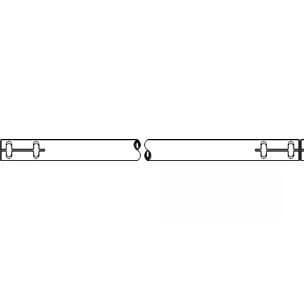
L39324 - Tie Rod Tube
SKU: L39324
27 in stock
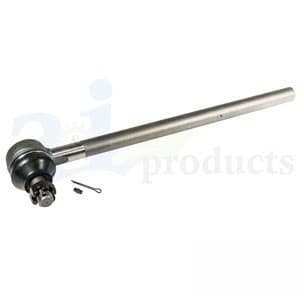
AT27134 - Long Outer Tie Rod
SKU: AT27134
206 in stock
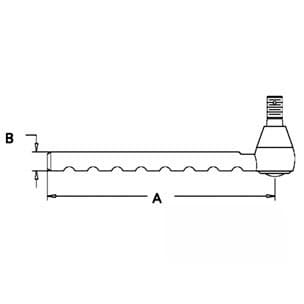
AT27131 - Long Outer Tie Rod
SKU: AT27131
14 in stock
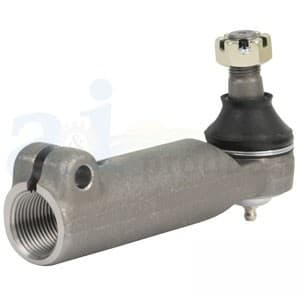
AT27130 - Inner Tie Rod
SKU: AT27130
309 in stock
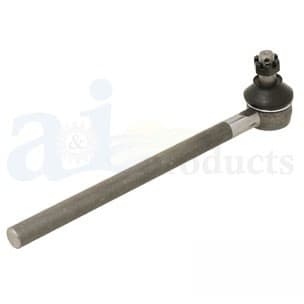
AT23885 - Long Tie Rod
SKU: AT23885
403 in stock
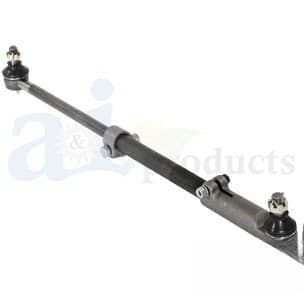
AR54637 - Tie Rod Assembly
SKU: AR54637
31 in stock
AR26480 - Seal
SKU: AR26480
90 in stock
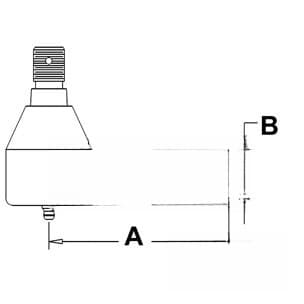
AL63612 - Inner Tie Rod
SKU: AL63612
33 in stock