



John Deere ALL Combine Parts
*ALL parts and accessories
Looking for John Deere Combine Parts? Our extensive inventory covers a wide range of John Deere combines. We supply quality replacement parts for machines used from the early 1900's through the early 2000's. Whether you need concave bars, belts, sieves, or bearings, we have the parts to keep your John Deere combine harvesting efficiently. Browse our catalog to find the exact parts you need.
John Deere has a long history of producing reliable and efficient combine harvesters. From the early pull-type models to the self-propelled giants, John Deere combines have been instrumental in feeding the world. Early John Deere combines used conventional threshing systems, featuring rasp bar cylinders and walkers to separate grain from the chaff. Later models transitioned to rotary separation, offering increased capacity and gentler grain handling. Grain tank capacities vary greatly depending on the model, ranging from under 100 bushels to well over 300 bushels on larger machines. Unloading auger speeds also increased over time, allowing for faster unloading in the field. Farmers could equip their combines with a wide range of header widths, depending on their crop and field size. Many John Deere combines also featured chopper/spreader options to manage residue. Cab features improved significantly over the years, with the introduction of air conditioning, comfortable seating, and advanced monitoring systems. John Deere combines are well-suited for harvesting a variety of crops, including wheat, corn, soybeans, and barley.
Specifications
| Engine | Varies by model. See individual parts pages for specific engine details. |
|---|---|
| Separator Type | Conventional Cylinder or Rotary - Varies by model. |
| Grain Tank | Varies by model. |
| Unloading Rate | Varies by model. |
| Header Widths | Varies by model. |
| Fuel Capacity | Varies by model. |
| Weight | Varies by model. |
| Years Produced | Varies by model. |
Maintenance Tips
- Regularly check and adjust concave clearance to optimize threshing performance and minimize grain damage.
- Inspect and maintain proper belt and chain tension to prevent slippage and ensure efficient power transmission.
- Clean sieves and chaffers frequently to remove debris and maintain optimal airflow, reducing grain loss.
- Grease bearings regularly according to the manufacturer's recommendations to prevent premature wear and failure.
- Before each harvest season, thoroughly inspect all components, including belts, chains, bearings, and cutting parts, and replace any worn or damaged parts.
History & Background
John Deere's commitment to innovation has driven the evolution of combine harvesters. From the early days of horse-drawn combines to the modern self-propelled machines, John Deere has consistently pushed the boundaries of harvesting technology. Their focus on reliability and performance has made John Deere combines a trusted choice for farmers worldwide.
Frequently Asked Questions
What engine is in the John Deere *ALL?
Engine type varies depending on the specific model. Consult the parts manual for the specific John Deere Combine you are working on. You can also find the engine model number stamped on the engine block itself.
What is the grain tank capacity on a *ALL?
Grain tank capacity varies depending on the model. Refer to your machine's operator manual or search for your specific John Deere combine model number on our website to see the tank size.
What type of separator does the *ALL have?
The separator type will either be a conventional cylinder system or a rotary system, depending on the model and year. Refer to the parts manual of the specific John Deere Combine model you are working on to confirm separator type.
What are common parts needed for the *ALL?
Common wear parts include concaves, rasp bars, belts, chains, bearings, auger fingers, sickle sections, and feeder house chains. Regularly inspecting and replacing these parts ensures optimal performance and minimizes downtime during harvest.
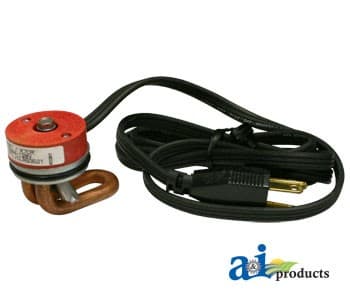
5B641 - Engine Block Frost Plug (1-3/4") Heater
SKU: 5B641
30 in stock
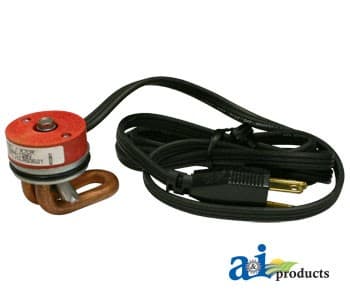
5B631 - Engine Block Frost Plug (1 5/8") Heater
SKU: 5B631
39 in stock
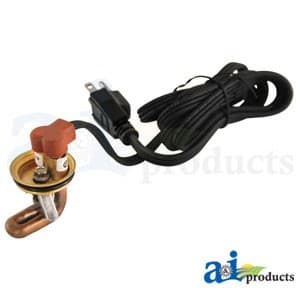
5B611 - Engine Block Frost Plug (1 1/2") Heater
SKU: 5B611
117 in stock
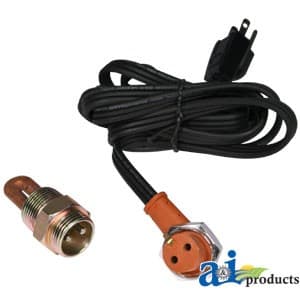
5B360 - Engine Block Frost Plug w/ 3/4" NPT Heater
SKU: 5B360
102 in stock
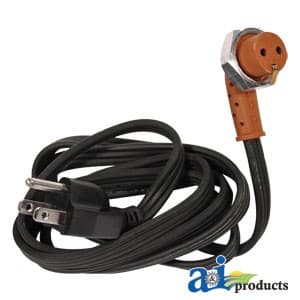
5B2163 - Replacement for 400 Watt (2 Terminal) Cord
SKU: 5B2163
148 in stock
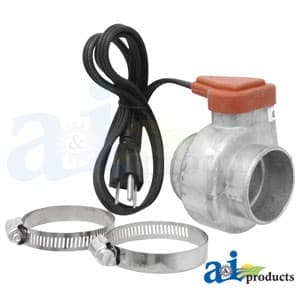
5B20 - Lower (2") 600 WATT Radiator Hose Heater
SKU: 5B20
34 in stock
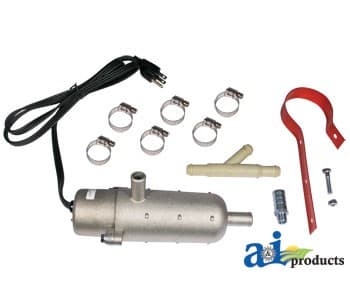
5B1500 - Tank Heater
SKU: 5B1500
776 in stock
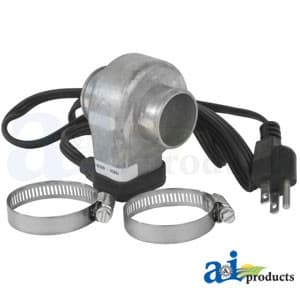
5B15 - Lower (1 1/2") 600 WATT Radiator Hose Heater
SKU: 5B15
142 in stock
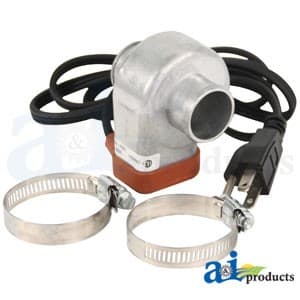
5B125 - Lower (1 1/4") 600 WATT Radiator Hose Heater
SKU: 5B125
61 in stock
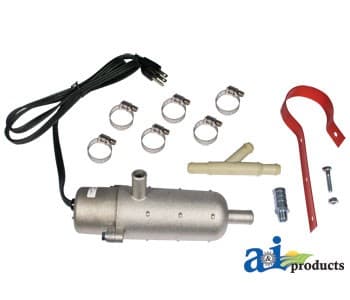
5B1000 - Tank Heater
SKU: 5B1000
377 in stock
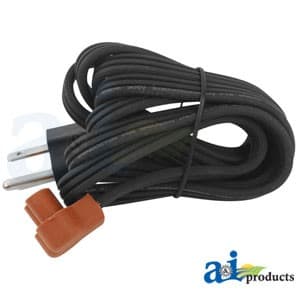
28400 - Frost Plug Heater Power Cord
SKU: 28400
90 in stock

SSM400LP - Wide Base Low Pro Mechanical Suspension
SKU: SSM400LP
78 in stock

MA4LP12 - Wide Base Low Pro Air Suspension
SKU: MA4LP12
44 in stock