



John Deere 55 Combine Parts
55 parts and accessories
The John Deere 55 combine, produced from 1956 to 1969, was a popular choice for farmers needing a reliable and versatile harvesting solution. Equipped with engines typically ranging from 75 to 95 horsepower, and available with header widths up to 13 feet, the 55 utilized a conventional separator system. Its affordability and ease of maintenance contributed significantly to its widespread adoption in smaller to medium-sized farming operations.
The John Deere 55 combine was a workhorse in fields across America during its production run from 1956 to 1969. These combines were typically equipped with a John Deere gasoline engine, delivering between 75 and 95 horsepower, or a diesel variant in later years. The engine displacement varied depending on the specific model year and fuel type. The 55 featured a conventional threshing system, employing a cylinder and concave setup for efficient grain separation. The grain tank capacity was approximately 50 bushels, with an unloading auger capable of discharging grain at a rate of around 15-20 bushels per minute. Available header widths ranged from 10 to 13 feet, catering to different field sizes and crop densities. Chopper and spreader options were available to manage crop residue. Cab features were minimal compared to modern combines, but operators appreciated the simplicity and ease of operation. The John Deere 55 proved especially adept at harvesting wheat, soybeans, and corn, making it a versatile choice for diversified farming operations.
Specifications
| Engine | John Deere 75-95 HP Gas/Diesel |
|---|---|
| Separator Type | Conventional - Cylinder & Concave |
| Grain Tank | 50 bushels |
| Unloading Rate | 15-20 bu/min |
| Header Widths | 10-13 ft |
| Fuel Capacity | Approx. 25 gallons |
| Weight | Approx. 6,000 lbs |
| Years Produced | 1956-1969 |
Maintenance Tips
- Concave Adjustment: Regularly inspect and adjust the concave clearance based on the crop being harvested. Proper adjustment minimizes grain loss and maximizes threshing efficiency.
- Belt and Chain Tension: Maintain proper tension on all belts and chains. Loose belts can slip, reducing performance and causing premature wear. Similarly, loose chains can jump sprockets and lead to breakdowns.
- Sieve and Chaffer Cleaning: Periodically clean the sieves and chaffer to remove crop residue and debris. Clogged sieves reduce airflow and increase grain loss over the back.
- Bearing Greasing: Grease all bearings regularly according to the manufacturer's recommendations. Proper lubrication prevents overheating and extends bearing life.
History & Background
The John Deere 55 was introduced in 1956 as a more compact and affordable combine option for smaller farms. It filled a crucial gap in the market, offering farmers a reliable harvesting solution without the expense of larger models. While there were minor updates throughout its production run, the fundamental design remained largely consistent, solidifying its reputation as a durable and dependable machine.
Frequently Asked Questions
What engine is in the John Deere 55?
The John Deere 55 was typically equipped with a John Deere gasoline engine producing 75 to 95 horsepower, or a diesel engine in later production years. Engine displacement varied depending on the model year.
What is the grain tank capacity on a 55?
The grain tank capacity on a John Deere 55 combine is approximately 50 bushels, and the unloading auger typically discharges grain at a rate of 15-20 bushels per minute.
What type of separator does the 55 have?
The John Deere 55 uses a conventional separator system, employing a cylinder and concave for threshing and separating the grain from the plant material.
What are common parts needed for the 55?
Common wear parts for the John Deere 55 include concaves, rasp bars, belts, chains, bearings, auger fingers, and sickle sections.

AR46064 - Ignition Coil - 6 Volt or 12 Volt w/ Resistor
SKU: AR46064
144 in stock
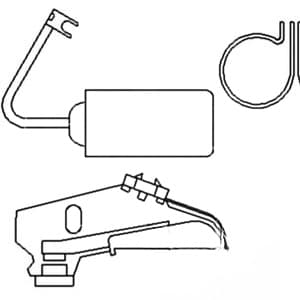
AR31818 - Tune Up Kit
SKU: AR31818
33 in stock
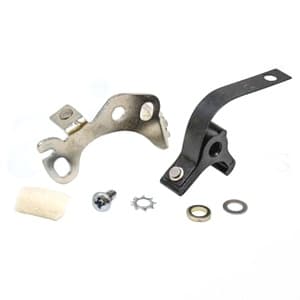
AR12014 - Point Set (Wico)
SKU: AR12014
100 in stock
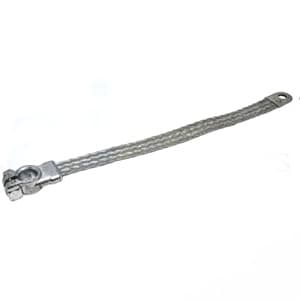
26A314 - 2 Ga. 14" Ground Strap
SKU: 26A314
26 in stock

21A3R - Tune Up Kit
SKU: 21A3R
113 in stock

21A1R - Tune Up Kit
SKU: 21A1R
113 in stock
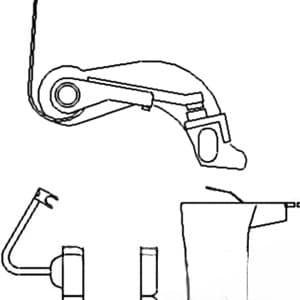
21A19R - Tune Up Kit
SKU: 21A19R
48 in stock
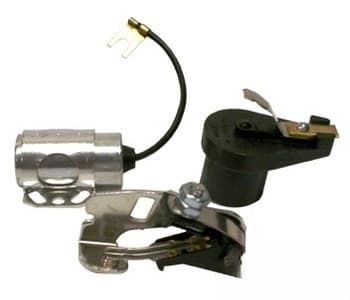
21A18R - Tune Up Kit
SKU: 21A18R
101 in stock
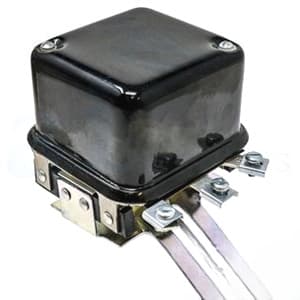
1118791 - Voltage Regulator (12 Volt)
SKU: 1118791
30 in stock
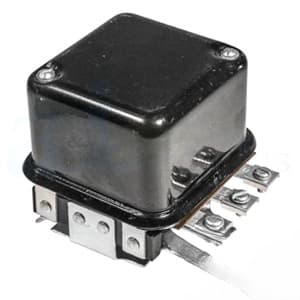
1118790 - Voltage Regulator (6 Volt)
SKU: 1118790
11 in stock

LF678J - Full-Flow Spin-On (QTY 1) Lube Filter
SKU: LF678J
Out of stock

LF678 - Full-Flow Spin-On (QTY 12) Lube Filter
SKU: LF678
326 in stock

LF674J - Cartridge (QTY 1) Lube Filter
SKU: LF674J
Out of stock

LF674 - Cartridge (QTY 12) Lube Filter
SKU: LF674
Out of stock

FF199J - Cartridge (QTY 1) Fuel Filter
SKU: FF199J
Out of stock
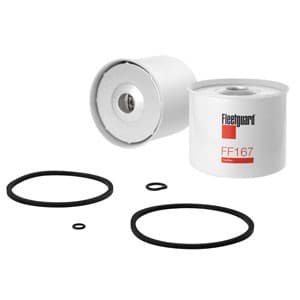
FF167J - Fuel (QTY 1) Filter
SKU: FF167J
Out of stock
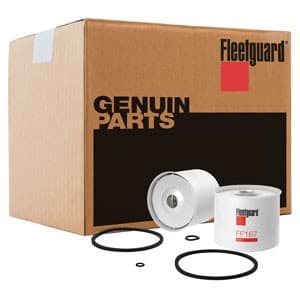
FF167 - Cartridge (QTY 12) Fuel Filter
SKU: FF167
Out of stock

AF437K - Primary (QTY 1) Air Filter
SKU: AF437K
5 in stock
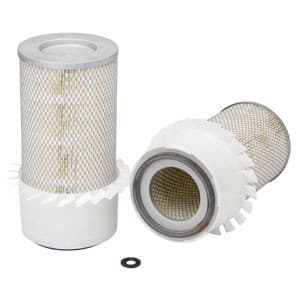
AF409K - Primary (QTY 1) Air Filter
SKU: AF409K
25 in stock

AR26625 - Steering Wheel
SKU: AR26625
220 in stock
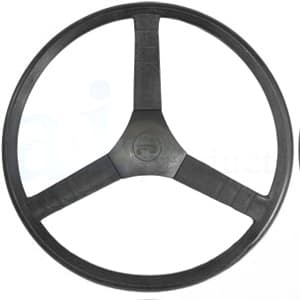
AL1000 - Steering wheel
SKU: AL1000
35 in stock
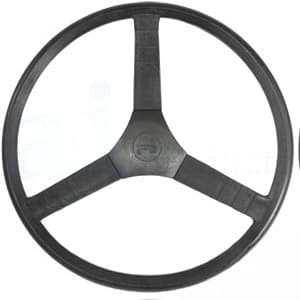
AF3856R - Steering Wheel
SKU: AF3856R
35 in stock