



Gleaner R75 Combine Parts
R75 parts and accessories
The Gleaner R75 combine, produced from 1997 to 2006, was a popular choice for farmers seeking reliable grain harvesting performance. Equipped with engines ranging from 260 to 300 HP and capable of handling header widths up to 36 feet, the R75's rotary separator system provided efficient threshing and separation. Known for its simplicity and durability, the R75 became a mainstay on farms across North America.
The Gleaner R75 combine harvester was introduced in 1997 and remained in production until 2006. It was powered by a range of engines, primarily Cummins diesels, with horsepower options typically ranging from 260 to 300 HP, depending on the year and specific configuration. Engine displacement varied, but common sizes included 8.3L and 9.0L options. The R75 utilized a transverse rotary threshing and separating system, featuring an axial rotor that provided gentle grain handling and efficient separation of grain from the straw. Grain tank capacity was around 300 bushels, and the unloading auger could unload at a rate of approximately 2.5-3 bushels per second, or 150-180 bushels per minute. Available header widths spanned from narrow row crop heads to wider platforms up to 36 feet for small grains. Options included straw choppers and spreaders for residue management. The cab was designed for operator comfort and visibility, featuring air conditioning, adjustable seating, and intuitive controls. The Gleaner R75 was particularly effective at harvesting corn, soybeans, wheat, and other small grains, making it a versatile machine for diverse farming operations.
Specifications
| Engine | Cummins 8.3L/9.0L 260-300 HP Diesel |
|---|---|
| Separator Type | Transverse Rotary - Axial Rotor, approx. 30 inch diameter |
| Grain Tank | 300 bushels |
| Unloading Rate | 150-180 bu/min |
| Header Widths | 20-36 ft |
| Fuel Capacity | 150 gallons |
| Weight | Approx. 28,000 lbs |
| Years Produced | 1997-2006 |
Maintenance Tips
- Concave Adjustment: Regularly check and adjust concave clearance based on the crop being harvested. Proper concave settings are crucial for efficient threshing and minimizing grain damage.
- Belt and Chain Tension: Inspect and maintain proper tension on all belts and chains. Loose belts or chains can lead to slippage, reduced performance, and premature wear.
- Sieve and Chaffer Cleaning: Clean the sieves and chaffer frequently to remove debris and prevent plugging. Clogged sieves can reduce cleaning efficiency and increase grain loss.
- Bearing Greasing: Regularly grease all bearings according to the manufacturer's recommendations. Proper lubrication is essential for preventing bearing failure and extending the life of the combine.
History & Background
The Gleaner R75 was introduced in 1997 as an update to the Gleaner rotary combine lineup. It represented a refinement of the transverse rotary design, offering improved performance and efficiency over previous models. The R75 played a significant role in solidifying Gleaner's reputation for producing innovative and reliable combine harvesters.
Frequently Asked Questions
What engine is in the Gleaner R75?
The Gleaner R75 is typically powered by a Cummins 8.3L or 9.0L diesel engine, producing between 260 and 300 horsepower depending on the year and configuration.
What is the grain tank capacity on a R75?
The grain tank capacity on a Gleaner R75 is approximately 300 bushels, and the unloading rate is around 150-180 bushels per minute.
What type of separator does the R75 have?
The Gleaner R75 utilizes a transverse rotary separator system with an axial rotor. This design provides efficient threshing and separation of grain while minimizing grain damage.
What are common parts needed for the R75?
Common parts needed for the Gleaner R75 include concaves, rasp bars, belts, chains, bearings, auger fingers, and sickle sections. Regularly inspecting and replacing these wear parts is essential for maintaining optimal performance.
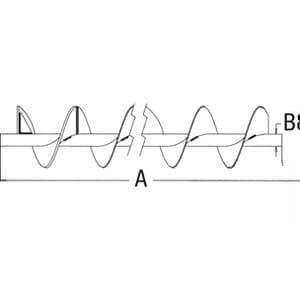
71397114 - 12"/14" Swivel Auger; Bin Unloading
SKU: 71397114
10 in stock
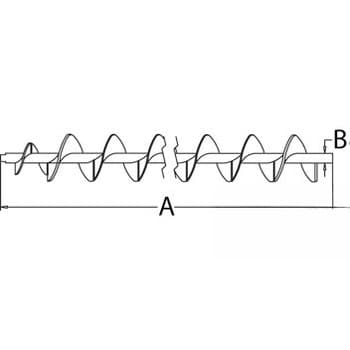
71388939 - Grain Bin Loading (Extended Wear) Auger
SKU: 71388939
5 in stock

71382972 - Vertical Unloading Auger
SKU: 71382972
8 in stock

71382957 - Turret Auger; Unloading
SKU: 71382957
3 in stock

71368861 - Feed Conveyor Sprocket
SKU: 71368861
72 in stock

71367407 - Tailings Elevator; Solid Door
SKU: 71367407
12 in stock

71364643 - Lower Tailings Return Auger
SKU: 71364643
11 in stock

71363476 - Grain Conveyor Auger
SKU: 71363476
8 in stock

71327266 - Clean Grain Elevator; Perforated Door
SKU: 71327266
2 in stock

71196601 - Clean Grain Elevator; Solid Door
SKU: 71196601
1 in stock

71149843 - Return Elevator Chain
SKU: 71149843
Out of stock
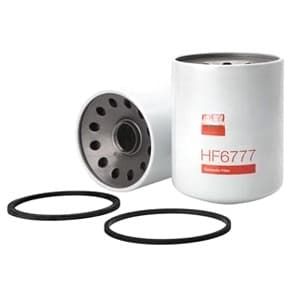
HF6777 - Spin-On (QTY 1) Hydraulic Filter
SKU: HF6777
2 in stock
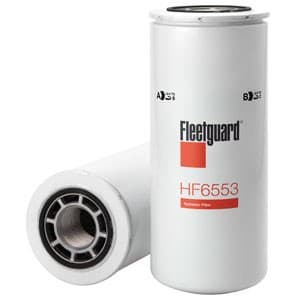
HF6553 - Spin-On (QTY 1) Hydraulic Filter
SKU: HF6553
4 in stock
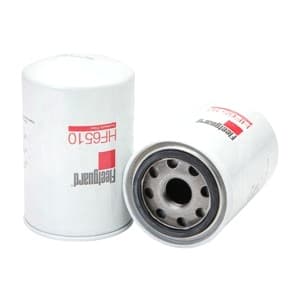
HF6510J - Spin-On (QTY 1) Hydraulic Filter
SKU: HF6510J
Out of stock
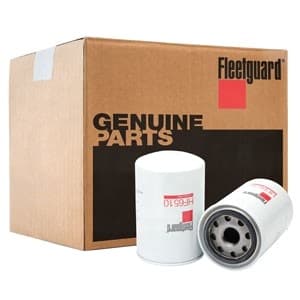
HF6510 - Spin-On (QTY 6) Hydraulic Filter
SKU: HF6510
80 in stock
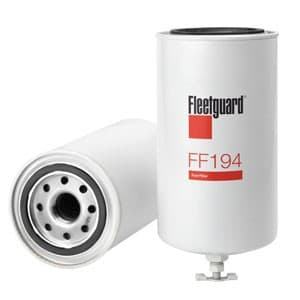
FF194J - Spin-On (QTY 1) Fuel Filter
SKU: FF194J
Out of stock
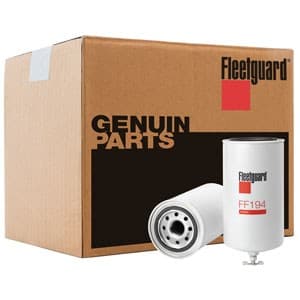
FF194 - Spin-On (QTY 12) Fuel Filter
SKU: FF194
2 in stock
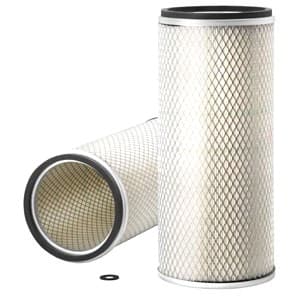
AF929 - Secondary (QTY 1) Air Filter
SKU: AF929
4 in stock