



Gleaner N6 Combine Parts
The Gleaner N6 combine, produced from 1979 to 1985, was a popular choice for farmers needing a reliable and efficient harvesting solution. Powered by a [Horsepower] horsepower engine and capable of handling header widths up to [Header Width] feet, the N6 was known for its simple design and durability. Its [Conventional/Rotary] separator provided effective grain separation, making it a staple in fields across the Midwest.
The Gleaner N6 was introduced in 1979 as a successor to the popular N5 and continued in production through 1985. The N6 was built on the Gleaner tradition of transverse-mounted engine and center-pivot steering. Powering the N6 was a [Engine Brand] [Horsepower] horsepower [Displacement] cubic inch diesel engine known for its reliability and fuel efficiency. The combine utilizes a [Conventional/Rotary] separator with [Separator Details], delivering efficient threshing. Grain tank capacity on the N6 is approximately [Bushels] bushels with an unloading auger capable of discharging grain at a rate of [Bu/min] bushels per minute. Available header widths ranged from [Minimum Width] to [Maximum Width] feet, accommodating various crop types and field sizes. The N6 offered both straw chopper and spreader options for residue management. The cab featured [Cab Features: e.g., air conditioning, basic instrumentation] providing operator comfort. The Gleaner N6 excels at harvesting a variety of crops, including wheat, soybeans, and corn, due to its adaptable threshing and separation system. Its simple design and ease of maintenance have made it a lasting favorite among farmers.
Specifications
| Engine | [Engine Brand] [Horsepower] HP [Displacement] Diesel |
|---|---|
| Separator Type | [Conventional/Rotary] - [Rotor/Cylinder width and diameter] |
| Grain Tank | [Bushels] bushels |
| Unloading Rate | [Bu/min] bu/min |
| Header Widths | [Minimum Width]-[Maximum Width] ft |
| Fuel Capacity | [Gallons] gallons |
| Weight | [Pounds] lbs |
| Years Produced | 1979-1985 |
Maintenance Tips
- Concave Adjustment: Regularly check and adjust the concave clearance according to the crop being harvested to optimize threshing and minimize grain loss.
- Belt and Chain Tension: Inspect and maintain proper tension on all belts and chains to prevent slippage and ensure efficient power transmission.
- Sieve and Chaffer Cleaning: Regularly clean the sieves and chaffer to prevent plugging and maintain optimal cleaning performance. Remove debris and crop residue buildup.
- Bearing Greasing: Grease all bearings according to the manufacturer's recommendations to extend their lifespan and prevent premature failure. Pay special attention to bearings in high-stress areas like the header and separator.
- Pre-Season Preparation: Thoroughly inspect the combine before each harvest season, checking for worn or damaged parts, lubricating moving components, and ensuring all systems are functioning correctly.
History & Background
The Gleaner N6 represented a significant advancement in combine technology for its time. Introduced in 1979, it offered increased capacity and power compared to its predecessors. Its design and reliability cemented Gleaner's reputation for building robust and farmer-friendly harvesting equipment.
Frequently Asked Questions
What engine is in the Gleaner N6?
The Gleaner N6 is typically powered by a [Engine Brand] [Horsepower] HP [Displacement] cubic inch diesel engine.
What is the grain tank capacity on a N6?
The grain tank capacity on the Gleaner N6 is approximately [Bushels] bushels, and it has an unloading rate of approximately [Bu/min] bushels per minute.
What type of separator does the N6 have?
The Gleaner N6 features a [Conventional/Rotary] separator with [Details about the cylinder or rotor, e.g., width, diameter, rasp bar configuration].
What are common parts needed for the N6?
Common wear parts for the Gleaner N6 include concaves, rasp bars, belts, chains, bearings, auger fingers, sickle sections, and various filters (oil, air, fuel).
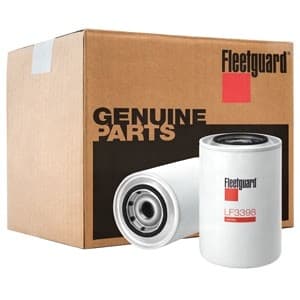
LF3398 - Spin-On (QTY 12) Lube Filter
SKU: LF3398
18 in stock

HF6730 - Spin-On (QTY 1) Hydraulic Filter
SKU: HF6730
1 in stock
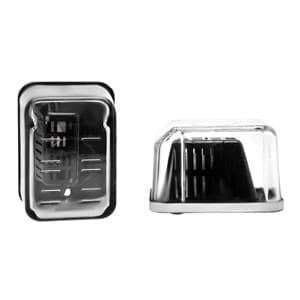
FS1205J - Box Style (QTY 1) Fuel Separator
SKU: FS1205J
Out of stock
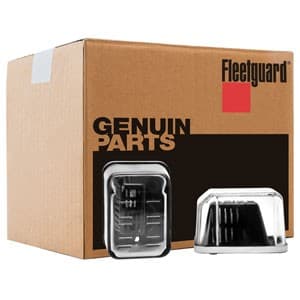
FS1205 - Box Style (QTY 12) Fuel Separator
SKU: FS1205
9 in stock
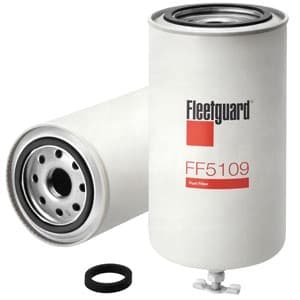
FF5109J - Spin-On (QTY 1) Fuel Filter
SKU: FF5109J
Out of stock
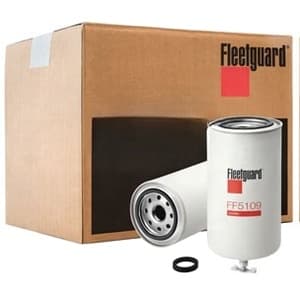
FF5109 - Spin-On (QTY 6) Fuel Filter
SKU: FF5109
3 in stock
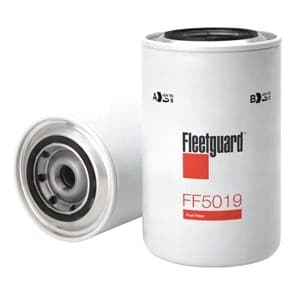
FF5019J - Spin-On (QTY 1) Fuel Filter
SKU: FF5019J
Out of stock
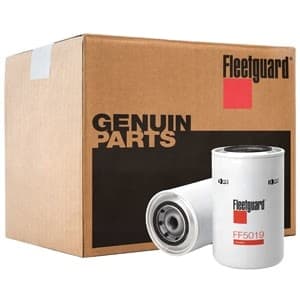
FF5019 - Spin-On (QTY 12) Fuel Filter
SKU: FF5019
138 in stock
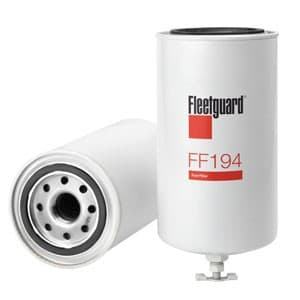
FF194J - Spin-On (QTY 1) Fuel Filter
SKU: FF194J
Out of stock
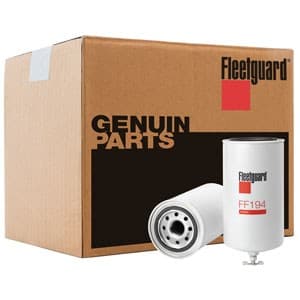
FF194 - Spin-On (QTY 12) Fuel Filter
SKU: FF194
2 in stock
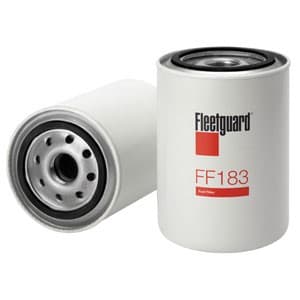
FF183J - Spin-On (QTY 1) Fuel Filter
SKU: FF183J
Out of stock
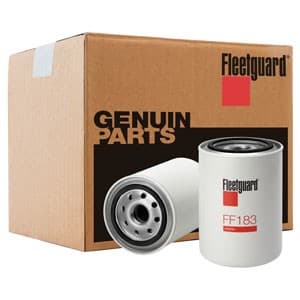
FF183 - Spin-On (QTY 12) Fuel Filter
SKU: FF183
13 in stock
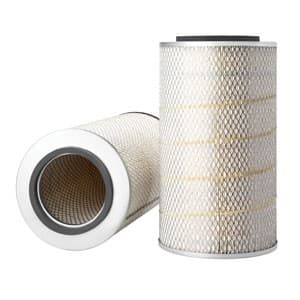
AF939 - Primary (QTY 1) Air Filter
SKU: AF939
1 in stock
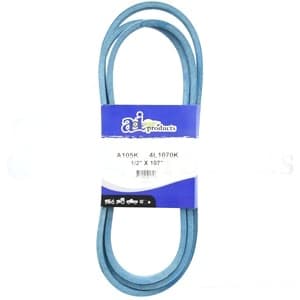
71301877 - ALLIS-CHALMERS
SKU: 71301877
507 in stock