



Gleaner M3 Combine Parts
The Gleaner M3 combine, produced from the mid-1970s to the early 1980s, became a favorite among farmers due to its efficient harvesting capabilities and durable design. Powered by engines ranging from 165 to 185 HP, it offered header widths up to 24 feet, accommodating various field sizes. This combine utilized a conventional cylinder separator, known for its effective threshing and separation of grain.
The Gleaner M3 was a workhorse in the Gleaner lineup, produced from 1976 to 1982, building upon the legacy of its predecessors. It typically featured a Cummins or a Deutz diesel engine, delivering between 165 and 185 horsepower, with displacements around 5.9 liters. The M3 employed a conventional cylinder and concave system for threshing, followed by straw walkers for separation, a design valued for its ability to handle tough crop conditions. Grain tank capacity was approximately 180 bushels, and the unloading auger could empty the tank at a rate of around 50 bushels per minute. Farmers could equip the M3 with headers ranging from 13 to 24 feet wide. Options included a chopper or spreader to manage crop residue. The cab offered basic comfort and controls for the operator. The Gleaner M3 excelled at harvesting wheat, soybeans, and corn, demonstrating its versatility across different crops.
Specifications
| Engine | Cummins/Deutz 165-185 HP Diesel |
|---|---|
| Separator Type | Conventional - Cylinder and Concave |
| Grain Tank | 180 bushels |
| Unloading Rate | 50 bu/min |
| Header Widths | 13-24 ft |
| Fuel Capacity | Unknown gallons |
| Weight | Unknown lbs |
| Years Produced | 1976-1982 |
Maintenance Tips
- Concave Adjustment: Regularly inspect and adjust the concave clearance to match the crop being harvested. Proper adjustment minimizes grain loss and maximizes threshing efficiency.
- Belt and Chain Tension: Check and maintain proper tension on all belts and chains to prevent slippage and ensure smooth operation of the combine's various systems.
- Sieve and Chaffer Cleaning: Clean the sieves and chaffer regularly to remove debris and ensure proper air flow. This prevents grain loss and improves sample quality.
- Bearing Greasing: Grease all bearings at the recommended intervals to prevent premature wear and ensure smooth, reliable operation. Consult the operator's manual for specific grease points and intervals.
History & Background
The Gleaner M3 was introduced in 1976 as an upgrade to previous Gleaner models, offering improvements in engine power and capacity. While it retained the conventional threshing system, it provided farmers with a reliable and durable option for harvesting. The M3 played a significant role in maintaining Gleaner's reputation for quality and innovation in combine design.
Frequently Asked Questions
What engine is in the Gleaner M3?
The Gleaner M3 typically used a Cummins or Deutz diesel engine, producing between 165 and 185 horsepower, with a displacement around 5.9 liters.
What is the grain tank capacity on a M3?
The grain tank capacity on the Gleaner M3 is approximately 180 bushels, and the unloading rate is around 50 bushels per minute.
What type of separator does the M3 have?
The Gleaner M3 features a conventional cylinder and concave separator system, followed by straw walkers for separation.
What are common parts needed for the M3?
Common parts needed for the Gleaner M3 include concaves, rasp bars, belts, chains, bearings, auger fingers, and sickle sections.

D4029309 - Turbocharger
SKU: D4029309
22 in stock
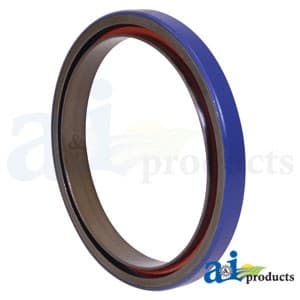
74024562 - Rear Crankshaft Seal
SKU: 74024562
34 in stock
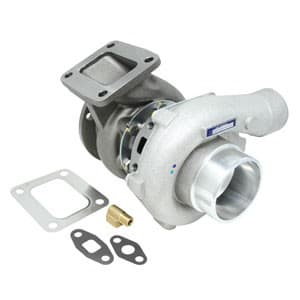
74009171 - Turbocharger
SKU: 74009171
26 in stock
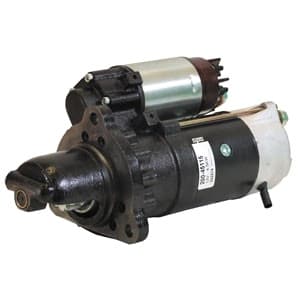
79005175-N - NEW STARTER
SKU: 79005175-N
11 in stock
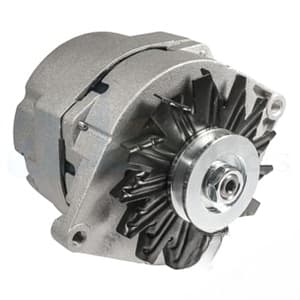
71340355 - Delco Alternator
SKU: 71340355
17 in stock

71339975 - DR/ALT Alternator
SKU: 71339975
17 in stock

71308106 - Alternator Internal (Heavy Duty) Voltage Regulator
SKU: 71308106
44 in stock

70273901-N - STARTER
SKU: 70273901-N
20 in stock
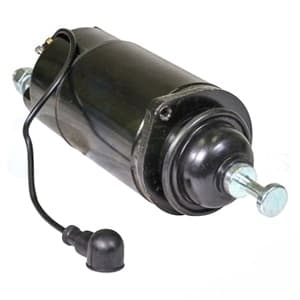
70271857 - Starter (12 Volt) Solenoid
SKU: 70271857
104 in stock
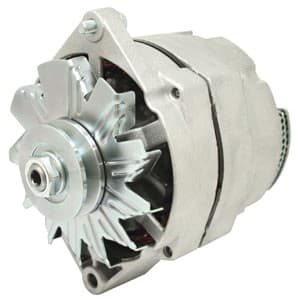
70270835 - Delco Alternator
SKU: 70270835
3 in stock

70269209 - Delco Solenoid
SKU: 70269209
66 in stock
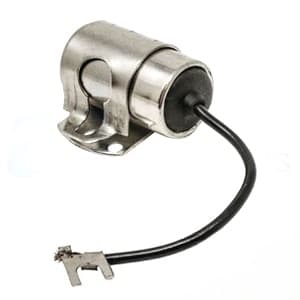
70225739 - Condenser
SKU: 70225739
68 in stock
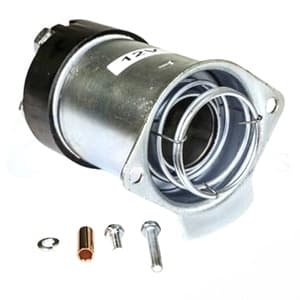
1047083M91 - Starter (Delco) Solenoid
SKU: 1047083M91
98 in stock
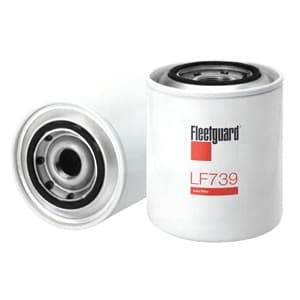
LF739J - Spin-On (QTY 1) Lube Filter
SKU: LF739J
Out of stock
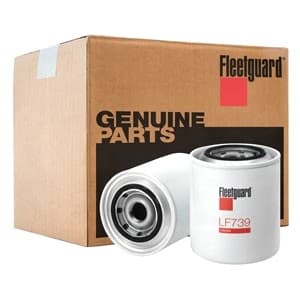
LF739 - Spin-On (QTY 12) Lube Filter
SKU: LF739
20 in stock
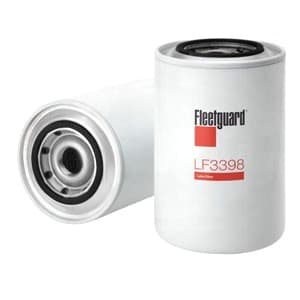
LF3398J - Spin-On (QTY 1) Lube Filter
SKU: LF3398J
Out of stock
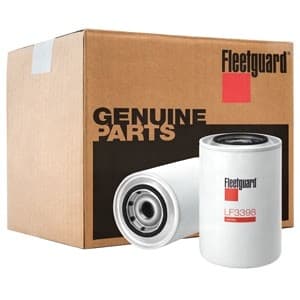
LF3398 - Spin-On (QTY 12) Lube Filter
SKU: LF3398
18 in stock
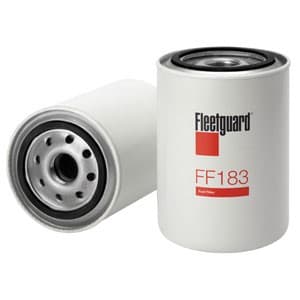
FF183J - Spin-On (QTY 1) Fuel Filter
SKU: FF183J
Out of stock
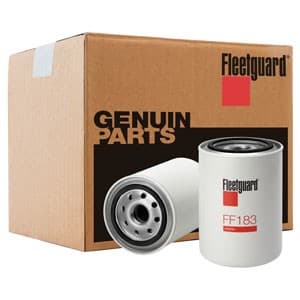
FF183 - Spin-On (QTY 12) Fuel Filter
SKU: FF183
13 in stock
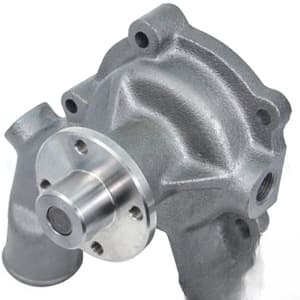
74007666 - Water w/o Pulley Pump
SKU: 74007666
9 in stock
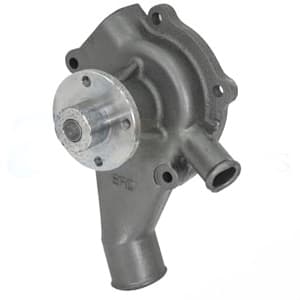
74007551 - Water w/o Pulley Pump
SKU: 74007551
2 in stock