



Gleaner ALL-MODELS Combine Parts
ALL MODELS parts and accessories
Gleaner combines, produced across various years, are known for their transverse-mounted engine and direct crop flow, providing efficient harvesting solutions. Engine horsepower ranges widely depending on the specific model and year, and header widths are available to suit different field sizes. Gleaner offered both conventional and rotary models, each finding favor with farmers for their unique advantages in specific crop conditions. Their simplicity and reputation for clean grain samples solidified their popularity.
Gleaner combines have a rich history, evolving over decades to meet the changing needs of farmers. Engine specifications vary significantly depending on the model year. Early Gleaners often featured Allis-Chalmers engines, while later models used other brands like Cummins or Deutz. Horsepower figures ranged from under 100 HP to over 400 HP in some of the final models. Separator systems included both conventional cylinder/concave designs, known for gentle threshing and clean grain in crops like wheat and soybeans, and rotary systems for higher capacity in corn and other high-yielding crops. Grain tank capacities ranged from around 100 bushels in older models to over 300 bushels in later units. Unloading auger speeds also increased over time, from around 50 bu/min to over 100 bu/min. Available header widths varied depending on the model and era, typically ranging from 13 feet to over 30 feet. Options included straw choppers and spreaders for residue management. Cab features evolved from basic operator stations to enclosed cabs with air conditioning and electronic monitoring systems. Gleaner combines are generally considered versatile machines, excelling in harvesting a wide range of crops, including wheat, corn, soybeans, sorghum, and sunflowers.
Specifications
| Engine | Varies - Allis-Chalmers, Cummins, Deutz Diesel |
|---|---|
| Separator Type | Conventional or Rotary - Varies based on Model |
| Grain Tank | Varies - 100 to 300+ bushels |
| Unloading Rate | Varies - 50 to 100+ bu/min |
| Header Widths | Varies - 13 to 30+ ft |
| Fuel Capacity | Varies |
| Weight | Varies |
| Years Produced | Varies by Model |
Maintenance Tips
- Concave Adjustment: Regularly check and adjust concave clearance to ensure proper threshing without excessive grain damage. Refer to the operator's manual for recommended settings for different crops.
- Belt and Chain Tension: Inspect all belts and chains for proper tension and wear. Loose belts and chains can slip, reducing efficiency and causing damage. Replace worn components promptly.
- Sieve and Chaffer Cleaning: Keep sieves and chaffers clean to maintain proper air flow and minimize grain loss. Remove debris regularly and adjust settings as needed based on crop conditions.
- Bearing Greasing: Follow the recommended greasing schedule for all bearings to prevent premature failure. Use the correct type of grease and avoid over-greasing.
History & Background
Gleaner combines were first introduced in the 1920s and have been a significant part of agricultural history ever since. Over the years, Gleaner made substantial improvements and redesigned their combines introducing features such as transverse engines and the Natural Flow design. These innovations allowed Gleaner to remain a competitive and trusted combine brand.
Frequently Asked Questions
What engine is in the Gleaner ALL MODELS?
Engine brands vary by model year, including Allis-Chalmers, Cummins, and Deutz diesel engines. Horsepower ranged from under 100 to over 400 depending on the model.
What is the grain tank capacity on a ALL MODELS?
Grain tank capacity varies from approximately 100 bushels on older models to over 300 bushels on later models. Unloading rates typically range from 50 to over 100 bushels per minute.
What type of separator does the ALL MODELS have?
Gleaner offered both conventional cylinder/concave and rotary separator systems. Conventional systems are known for gentle threshing, while rotary systems offer higher capacity.
What are common parts needed for the ALL MODELS?
Common wear parts include concaves, rasp bars, belts, chains, bearings, auger fingers, and sickle sections. Keeping these parts in good condition is crucial for efficient harvesting.
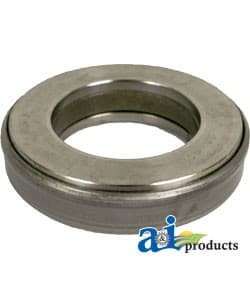
831788M1 - Release Bearing
SKU: 831788M1
50 in stock
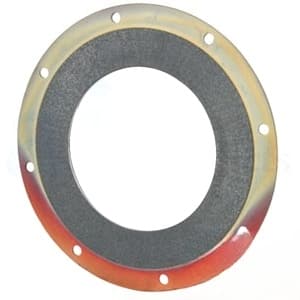
71302903 - Separator Drive Disc: 9.5" OD w/ 8 equally spaced 5/16" holes
SKU: 71302903
Out of stock
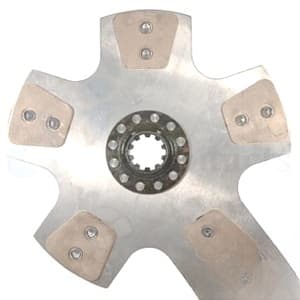
71146327 - solid 5-button Trans Disc: 11"
SKU: 71146327
2 in stock
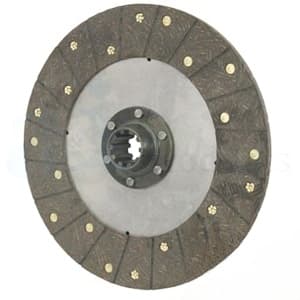
71133356 - solid organic Trans Disc: 11"
SKU: 71133356
2 in stock
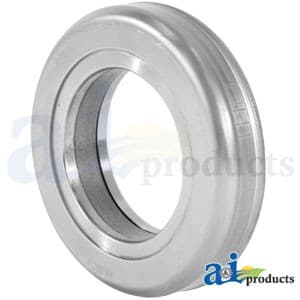
70235079 - Clutch Release (sealed) Bearing
SKU: 70235079
50 in stock
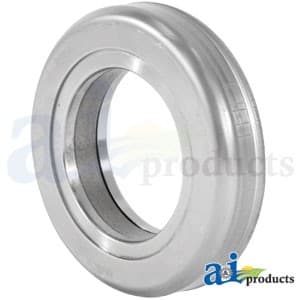
195207M1 - Trans Release (sealed) Bearing
SKU: 195207M1
50 in stock

ST500 - Ball Bearing Slide Track Set
SKU: ST500
33 in stock

SSM200 - Wide Base Mechanical Suspension
SKU: SSM200
18 in stock

SSM100 - Narrow Base Mechanical Suspension
SKU: SSM100
51 in stock

SHK1 - F Series Air Seats / Suspensions Air Line Repair Kit
SKU: SHK1
2 in stock

SHCK1 - Seat Suspension Shock Absorber
SKU: SHCK1
6 in stock

SBR01 - Seat Adapter Bracket
SKU: SBR01
11 in stock

SBKT - Seat Belt
SKU: SBKT
72 in stock

SAR3 - F10 Series Seats (1 RH / 1 LH) Arm Rest Set
SKU: SAR3
11 in stock

SAR1 - F20 Series Seats (1 RH / 1 LH) Arm Rest Set
SKU: SAR1
9 in stock

OPSW1 - OPS Switch (For F10 & F20 Series Seats)
SKU: OPSW1
118 in stock
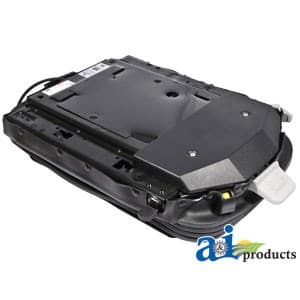
MSG95GS - 12 V (For 85 and 95 Series Seats) Seat Suspension Only
SKU: MSG95GS
15 in stock

MSG95GGRC-ASSY - CHARCOAL MATRIX CLOTH Grammer Seat Assembly
SKU: MSG95GGRC-ASSY
62 in stock

MSG95741GRC - Black Vinyl Armrests Charcoal MATRIX CLOTH Grammer Seat Assembly
SKU: MSG95741GRC
28 in stock

MSG95741BNC - Black Vinyl Armrests Brown MATRIX CLOTH Grammer Seat Assembly
SKU: MSG95741BNC
14 in stock

MSG85721V - BLK VINYL Mechanical Suspension; L/ Armrests Seat
SKU: MSG85721V
9 in stock
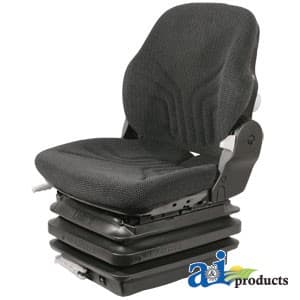
MSG85721F - BLK/GRY MATRIX CLOTH Mechanical Suspension; L/ Armrests Seat
SKU: MSG85721F
10 in stock
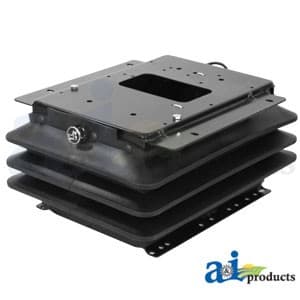
MA2C12 - Wide Base 12 Volt Air Suspension
SKU: MA2C12
15 in stock
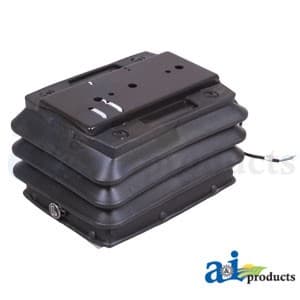
MA1C12 - Narrow Base 12 Volt Air Suspension
SKU: MA1C12
13 in stock