Gleaner A76 Combine Parts
A76 parts and accessories
The Gleaner A76 combine harvester, produced from approximately 1976 to the early 1980s, was a workhorse on farms across North America. Typically equipped with a diesel engine offering around 240 horsepower, the A76 could handle headers ranging from 13 to 30 feet, depending on the crop and field conditions. Its robust conventional separator system, combined with its reliability, made it a popular choice for farmers seeking efficient grain harvesting.
The Gleaner A76 was introduced in the mid-1970s as a powerful and dependable combine designed for high-volume grain harvesting. Production continued until the early 1980s. Powering the A76 was often a Cummins V-8 diesel engine, generating approximately 240 horsepower with a displacement around 549 cubic inches. The separator system employed a conventional cylinder and concave arrangement, with a wide 50-inch cylinder ensuring efficient threshing. The grain tank could hold approximately 220 bushels, and the unloading auger provided a discharge rate of about 80 bushels per minute. Available header widths ranged from 13 to 30 feet, allowing the A76 to be configured for a variety of crops, including wheat, soybeans, and corn. Chopper and spreader options helped manage crop residue. Cab features varied, but generally offered improved operator comfort and visibility compared to earlier models. The A76 excelled in harvesting a wide range of grain crops, valued for its ability to handle heavy crop loads and deliver clean grain samples.
Specifications
| Engine | Cummins V-8 240 HP 549 CID Diesel |
|---|---|
| Separator Type | Conventional - 50-inch wide cylinder |
| Grain Tank | 220 bushels |
| Unloading Rate | 80 bu/min |
| Header Widths | 13-30 ft |
| Fuel Capacity | 120 gallons |
| Weight | Approximately 21,000 lbs |
| Years Produced | 1976-1982 (approximate) |
Maintenance Tips
- Concave Adjustment: Regularly check and adjust concave clearance to ensure optimal threshing performance and minimize grain damage. Follow the operator's manual for recommended settings based on the crop being harvested.
- Belt and Chain Tension: Inspect all belts and chains for proper tension. Loose belts or chains can slip, causing reduced efficiency and potential damage. Adjust tensioners as needed.
- Sieve and Chaffer Cleaning: Regularly clean the sieves and chaffers to prevent buildup of debris that can affect grain cleaning and separation. Check for wear and damage, and replace as needed.
- Bearing Greasing: Grease all bearings according to the manufacturer's recommendations. Proper lubrication is critical for preventing bearing failure and ensuring smooth operation of all moving parts.
History & Background
The Gleaner A76 continued the legacy of Gleaner's self-propelled combines, offering increased power and capacity compared to previous models. While it was a conventional machine in a market that was beginning to embrace rotary technology, its reliability and simplicity kept it a popular choice among farmers. It represented a significant step in Gleaner's evolution of grain harvesting equipment.
Frequently Asked Questions
What engine is in the Gleaner A76?
The Gleaner A76 typically features a Cummins V-8 diesel engine, producing approximately 240 horsepower with a 549 cubic inch displacement.
What is the grain tank capacity on a A76?
The Gleaner A76 has a grain tank capacity of approximately 220 bushels, with an unloading rate of around 80 bushels per minute.
What type of separator does the A76 have?
The Gleaner A76 utilizes a conventional separator system with a 50-inch wide cylinder.
What are common parts needed for the A76?
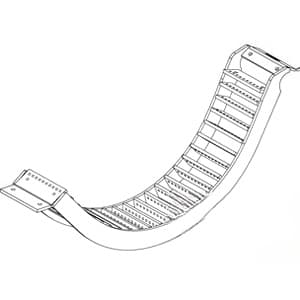
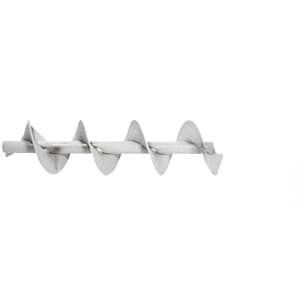
Common wear parts for the Gleaner A76 include concaves, rasp bars, belts, chains, bearings, auger fingers, and sickle sections.