


Ford New Holland TR70 Combine Parts
TR70 parts and accessories
The Ford New Holland TR70, produced from the late 1970s to the mid-1980s, was a popular combine among farmers due to its reliable performance and innovative design for its time. Powered by a robust diesel engine, typically around 155 horsepower, it could handle a variety of header widths, adapting to different field conditions. The TR70 utilized a rotary separation system, offering improved grain separation efficiency compared to traditional conventional combines.
The Ford New Holland TR70 was introduced as part of the Twin Rotor series, marking a significant advancement in combine technology. Production spanned from approximately 1979 to 1984. It was generally equipped with a Ford 6.6L 401 CID inline 6-cylinder diesel engine producing around 155 horsepower. The heart of the TR70 was its twin longitudinal rotor system, designed for more efficient grain separation and reduced grain loss compared to conventional cylinder combines. This system featured two rotors that gently rubbed the grain out, minimizing damage. The grain tank capacity was approximately 200 bushels, and it boasted an unloading auger capable of emptying the tank at a rate of around 50-60 bushels per minute. Available header widths ranged from 13 feet to 20 feet, catering to different field sizes and crop types. Chopper and spreader options were available to manage residue effectively. The cab, while not as advanced as modern combines, provided a reasonable level of comfort and visibility. The TR70 was well-suited for harvesting wheat, soybeans, corn, and other small grains.
Specifications
| Engine | Ford 6.6L 401 CID 155 HP Diesel |
|---|---|
| Separator Type | Rotary - Twin Longitudinal Rotors |
| Grain Tank | 200 bushels |
| Unloading Rate | 50-60 bu/min |
| Header Widths | 13-20 ft |
| Fuel Capacity | 75 gallons |
| Weight | 17,000 lbs |
| Years Produced | 1979-1984 |
Maintenance Tips
- Concave Adjustment: Regularly check and adjust concave clearance according to the crop being harvested. Proper adjustment minimizes grain damage and loss.
- Belt and Chain Tension: Inspect all belts and chains for proper tension and wear. Loose or worn belts and chains can lead to reduced performance and component failure.
- Sieve and Chaffer Cleaning: Clean the sieves and chaffers regularly to ensure proper airflow and separation. Clogged sieves can result in grain loss over the back.
- Bearing Greasing: Grease all bearings according to the manufacturer's recommendations. Proper lubrication prevents premature bearing failure and extends the life of the combine.
History & Background
The Ford New Holland TR70 was introduced as part of the Twin Rotor series, signifying a shift towards rotary technology in combine harvesters. It represented a significant step forward in harvesting efficiency and grain quality compared to earlier conventional models. The TR70 helped establish Ford New Holland as a leader in combine innovation during its production run.
Frequently Asked Questions
What engine is in the Ford New Holland TR70?
The Ford New Holland TR70 typically used a Ford 6.6L 401 CID inline 6-cylinder diesel engine producing around 155 horsepower.
What is the grain tank capacity on a TR70?
The grain tank capacity of the Ford New Holland TR70 is approximately 200 bushels with an unloading rate of 50-60 bushels per minute.
What type of separator does the TR70 have?
The TR70 utilizes a twin longitudinal rotary separation system for efficient grain threshing and separation.
What are common parts needed for the TR70?
Common wear parts for the TR70 include concaves, rasp bars, belts, chains, bearings, auger fingers, and sickle sections.
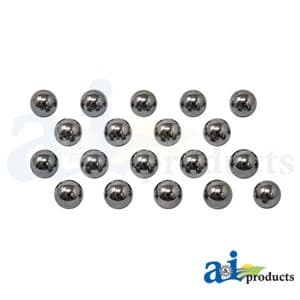
83424343 - Steering Gear (Pk/20) Ball Bearing
SKU: 83424343
260 in stock
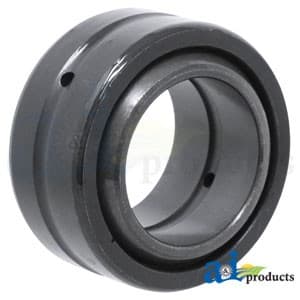
87659928 - Spherical Bushing
SKU: 87659928
79 in stock
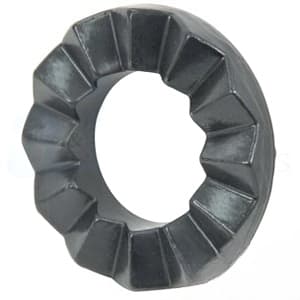
87639816 - Jaw Clutch
SKU: 87639816
1059 in stock
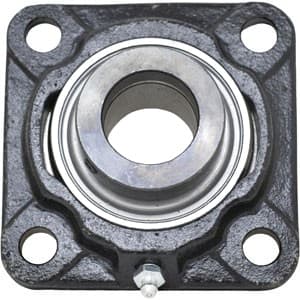
86575515 - Bearing & Housing
SKU: 86575515
13 in stock
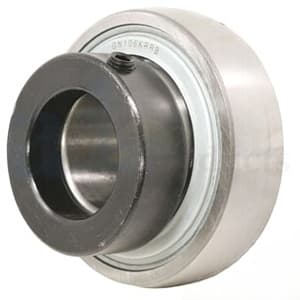
86575514 - Ball Bearing
SKU: 86575514
165 in stock

86548970 - Flange Bearing
SKU: 86548970
232 in stock
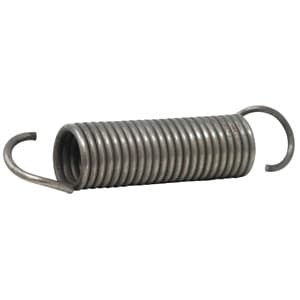
80853488 - Spring
SKU: 80853488
41 in stock

287902 - Cone Bearing
SKU: 287902
250 in stock
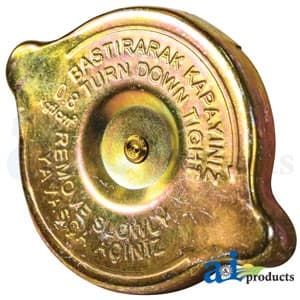
2400E8100A - Radiator (7 Lb.) Cap
SKU: 2400E8100A
Out of stock
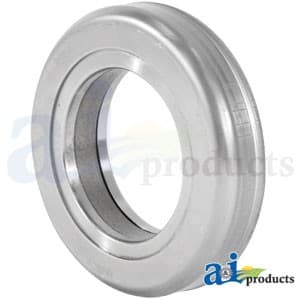
E1ADKN7580B - Release (sealed) Bearing
SKU: E1ADKN7580B
50 in stock
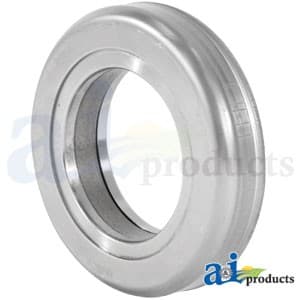
C0NN7580A - Release (sealed) Bearing
SKU: C0NN7580A
50 in stock
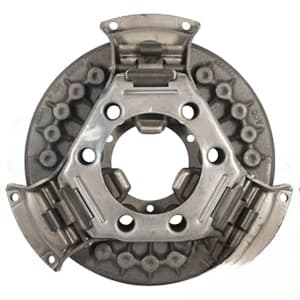
80272549 - 12" Pressure Plate
SKU: 80272549
8 in stock

787580AB - SUB TO 500058510
SKU: 787580AB
50 in stock

787580A8 - Release (sealed) Bearing
SKU: 787580A8
50 in stock

27291 - Pilot (sealed) Bearing
SKU: 27291
464 in stock