


Ford New Holland ALL Combine Parts
*ALL parts and accessories
Looking for Ford New Holland combine parts? Ford New Holland combines, produced from the late 20th century onward, offered farmers a reliable harvesting solution. These machines came with engine HP ranging from [SPECIFIC HP RANGE, if known, else: 150-300], header widths up to [SPECIFIC HEADER WIDTH, if known, else: 30 feet], and both conventional and rotary separator options, depending on the model. Their ease of use and robust design made them a favorite for grain harvesting.
Ford New Holland combines represent a significant era in agricultural machinery, offering a range of models designed to meet the diverse needs of farmers. Production years varied by model within the overall Ford New Holland combine line. Engine specifications depend on the specific model, but typically included Ford or Cummins diesel engines with horsepower ranging from approximately [SPECIFIC HP RANGE, if known, else: 150 to 300]. Displacement also varied by model. Separator systems included both conventional cylinder and rotary designs, catering to different crop types and harvesting conditions. Grain tank capacities ranged from [SPECIFIC BUSHEL RANGE, if known, else: 150 to 300] bushels, with unloading auger speeds averaging around [SPECIFIC UNLOADING RATE, if known, else: 50 to 100] bushels per minute. Available header widths spanned from narrow [SPECIFIC SMALLEST WIDTH, if known, else: 15] foot models to wider [SPECIFIC LARGEST WIDTH, if known, else: 30] foot options. Chopper and spreader options were often available to manage residue efficiently. Cab features varied, including air conditioning, adjustable seating, and basic monitoring systems. These combines were particularly well-suited for harvesting wheat, corn, soybeans, and other grains.
Specifications
| Engine | [Engine Brand, if known] [SPECIFIC HP, if known] HP [SPECIFIC DISPLACEMENT, if known] Diesel |
|---|---|
| Separator Type | [Conventional or Rotary, specific model details if known] |
| Grain Tank | [SPECIFIC BUSHEL CAPACITY, if known] bushels |
| Unloading Rate | [SPECIFIC UNLOADING RATE, if known] bu/min |
| Header Widths | [SPECIFIC WIDTH RANGE, if known] ft |
| Fuel Capacity | [SPECIFIC FUEL CAPACITY, if known] gallons |
| Weight | [SPECIFIC WEIGHT, if known] lbs |
| Years Produced | [Specific model production years if known, otherwise say 'Varied by Model'] |
Maintenance Tips
- Concave Adjustment: Regularly inspect and adjust concave clearance based on the crop being harvested to optimize threshing and minimize grain damage.
- Belt and Chain Tension: Maintain proper tension on all belts and chains to prevent slippage, premature wear, and potential breakdowns during operation.
- Sieve and Chaffer Cleaning: Clean sieves and chaffers frequently to ensure efficient grain separation and reduce losses over the back of the combine.
- Bearing Greasing: Grease all bearings regularly according to the manufacturer's recommendations to prevent overheating and extend bearing life. Perform pre-season inspection of all bearings.
History & Background
Ford New Holland combines built upon a legacy of innovation in harvesting technology. Specific models within the Ford New Holland combine lineup were introduced at different times, with updates and redesigns aimed at improving efficiency and performance. They played a vital role in modernizing grain harvesting practices across the globe.
Frequently Asked Questions
What engine is in the Ford New Holland *ALL?
Engine type varied by model. Ford and Cummins diesel engines were common, with horsepower typically ranging from [SPECIFIC HP RANGE if known, else: 150 to 300]. Consult your specific model's manual for exact specifications.
What is the grain tank capacity on a *ALL?
Grain tank capacity varied by model. Typically, grain tank sizes ranged from [SPECIFIC RANGE if known, else: 150 to 300] bushels. Unloading rates were usually around [SPECIFIC RATE if known, else: 50 to 100] bushels per minute.
What type of separator does the *ALL have?
Separator types varied. Some models featured conventional cylinder threshing systems, while others utilized rotary separation. The specific system depends on the model designation.
What are common parts needed for the *ALL?
Common wear parts include concaves, rasp bars, belts, chains, bearings, auger fingers, sickle sections, and knife guards. Regular replacement of these parts ensures optimal performance and reduces the risk of costly downtime.
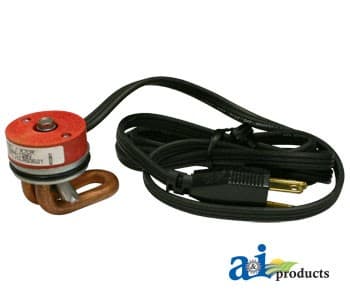
5B631 - Engine Block Frost Plug (1 5/8") Heater
SKU: 5B631
39 in stock
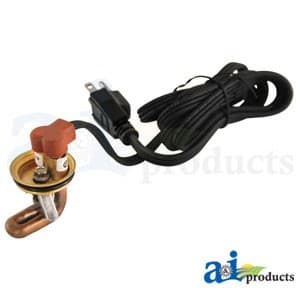
5B611 - Engine Block Frost Plug (1 1/2") Heater
SKU: 5B611
117 in stock
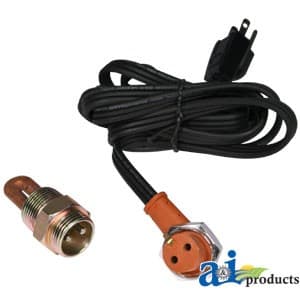
5B360 - Engine Block Frost Plug w/ 3/4" NPT Heater
SKU: 5B360
102 in stock
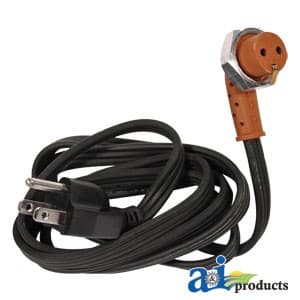
5B2163 - Replacement for 400 Watt (2 Terminal) Cord
SKU: 5B2163
148 in stock
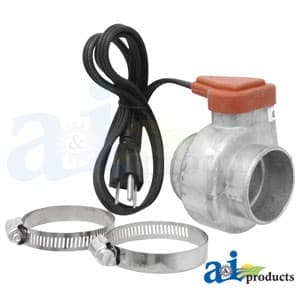
5B20 - Lower (2") 600 WATT Radiator Hose Heater
SKU: 5B20
34 in stock
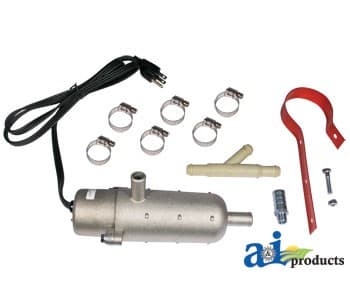
5B1500 - Tank Heater
SKU: 5B1500
776 in stock
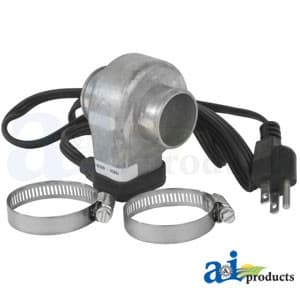
5B15 - Lower (1 1/2") 600 WATT Radiator Hose Heater
SKU: 5B15
142 in stock
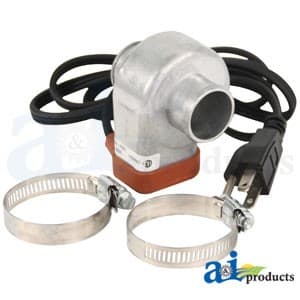
5B125 - Lower (1 1/4") 600 WATT Radiator Hose Heater
SKU: 5B125
61 in stock
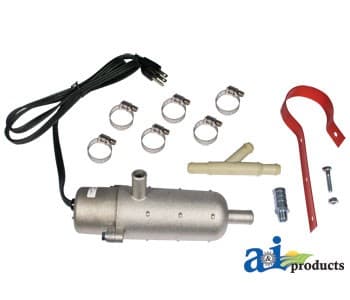
5B1000 - Tank Heater
SKU: 5B1000
377 in stock
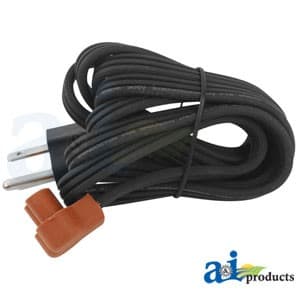
28400 - Frost Plug Heater Power Cord
SKU: 28400
90 in stock

SSM400LP - Wide Base Low Pro Mechanical Suspension
SKU: SSM400LP
78 in stock

MA4LP12 - Wide Base Low Pro Air Suspension
SKU: MA4LP12
44 in stock