



Ford New Holland 975 Combine Parts
975 parts and accessories
The Ford New Holland 975 combine, produced in the late 1970s and early 1980s, offered a reliable solution for grain harvesting. Equipped with engines in the 150-175 HP range and available with header widths up to 20 feet, the 975 was a popular choice for its robust conventional separator design and ease of maintenance. Farmers appreciated its straightforward operation and ability to efficiently harvest various crops.
The Ford New Holland 975 was a workhorse combine introduced to meet the demands of farmers seeking a dependable and cost-effective harvesting solution. Production spanned the late 1970s into the early 1980s. Typically, the 975 was powered by a Ford diesel engine, ranging in power from approximately 150 to 175 horsepower, with a displacement around 401 cubic inches (6.6L). The combine utilized a conventional threshing system, featuring a cylinder with rasp bars to separate grain from the head. Grain tank capacity generally held around 140-160 bushels, with an unloading auger capable of emptying the tank at a rate of approximately 30-40 bushels per minute. Available header widths ranged from 13 to 20 feet. Options often included a straw chopper or spreader to manage crop residue. Cab features typically included basic instrumentation and operator controls, focused on functionality. The 975 excelled at harvesting wheat, soybeans, and corn, making it a versatile choice for diverse farming operations. This model’s simple design and robust construction contributed to its long-lasting popularity.
Specifications
| Engine | Ford 150-175 HP 401 CID Diesel |
|---|---|
| Separator Type | Conventional - 44-inch wide cylinder with rasp bars |
| Grain Tank | 140-160 bushels |
| Unloading Rate | 30-40 bu/min |
| Header Widths | 13-20 ft |
| Fuel Capacity | 60 gallons |
| Weight | Approximately 14,000 lbs |
| Years Produced | Late 1970s - Early 1980s |
Maintenance Tips
- Concave Adjustment: Regularly check and adjust concave clearance to ensure proper threshing and minimize grain loss. Consult the operator's manual for specific settings based on the crop being harvested.
- Belt and Chain Tension: Inspect all belts and chains for proper tension and wear. Loose belts or chains can lead to inefficient operation and premature failure. Adjust or replace as needed.
- Sieve and Chaffer Cleaning: Regularly clean the sieves and chaffer to remove debris and prevent plugging. This ensures optimal grain cleaning and reduces losses.
- Bearing Greasing: Grease all bearings according to the manufacturer's recommended schedule. Proper lubrication is essential for preventing bearing failure and extending the life of the combine.
History & Background
The Ford New Holland 975 combine was introduced during a period of increased demand for efficient and reliable harvesting equipment. While not a revolutionary design, its robust construction and straightforward operation made it a popular choice among farmers. The 975 represented a continuation of Ford New Holland's commitment to providing practical and dependable agricultural machinery.
Frequently Asked Questions
What engine is in the Ford New Holland 975?
The Ford New Holland 975 typically features a Ford diesel engine, ranging from 150 to 175 horsepower with a displacement around 401 cubic inches (6.6L).
What is the grain tank capacity on a 975?
The grain tank capacity on a Ford New Holland 975 is typically around 140-160 bushels, with an unloading rate of approximately 30-40 bushels per minute.
What type of separator does the 975 have?
The Ford New Holland 975 utilizes a conventional threshing system with a 44-inch wide cylinder equipped with rasp bars for separating grain from the head.
What are common parts needed for the 975?
Common parts needed for the Ford New Holland 975 include concaves, rasp bars, belts, chains, bearings, auger fingers, and sickle sections.
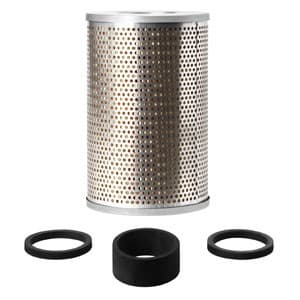
HF6059J - Cartridge (QTY 1) Hydraulic Filter
SKU: HF6059J
Out of stock
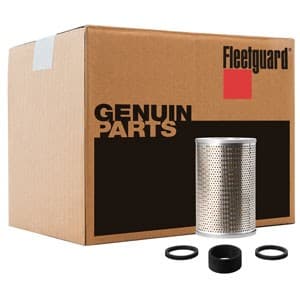
HF6059 - Cartridge (QTY 6) Hydraulic Filter
SKU: HF6059
8 in stock
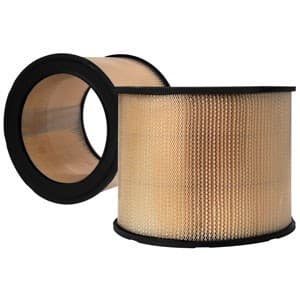
AF260J - Air (QTY 1) Filter
SKU: AF260J
Out of stock

86548970 - Flange Bearing
SKU: 86548970
232 in stock

58106 - Idler Pulley
SKU: 58106
96 in stock