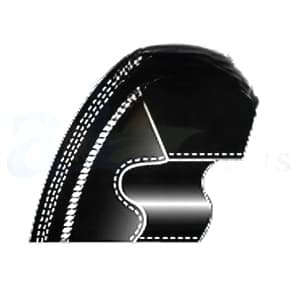
Case IH 303 Combine Parts
The Case IH 303 combine, manufactured in the late 1970s, was a popular choice for farmers seeking a reliable and efficient machine for grain harvesting. Powered by an engine offering around 100 horsepower, it handled a variety of crops. Available with header widths up to 15 feet and utilizing a conventional separator system, the 303 was well-regarded for its simplicity and ease of maintenance.
The Case IH 303 was a workhorse combine produced in the late 1970s. It was built for smaller farms that did not need the capacity of larger, newer machines. The 303 was powered by a Case or Cummins diesel engine, offering approximately 100 horsepower with a displacement around 300-350 cubic inches. It utilized a conventional threshing system with a cylinder and concave for separating grain from the plant material. The grain tank typically held around 80-100 bushels, unloading at a rate of approximately 25-35 bushels per minute. Header widths ranged from 13 to 15 feet, suitable for small to medium-sized fields. The 303 offered a basic cab for operator comfort and protection. It was known for its effectiveness in harvesting wheat, soybeans, and other small grains, and also could handle corn with the appropriate header. While lacking the advanced features of later models, the Case IH 303 provided a dependable and cost-effective harvesting solution for many farmers.
Specifications
| Engine | Case/Cummins 100 HP Diesel |
|---|---|
| Separator Type | Conventional - Cylinder and Concave |
| Grain Tank | 80-100 bushels |
| Unloading Rate | 25-35 bu/min |
| Header Widths | 13-15 ft |
| Fuel Capacity | Unknown gallons |
| Weight | Unknown lbs |
| Years Produced | Late 1970s |
Maintenance Tips
- Concave Adjustment: Regularly check and adjust the concave clearance according to the crop being harvested. Proper concave setting is crucial for effective threshing and minimizing grain damage.
- Belt and Chain Tension: Inspect all belts and chains for wear and proper tension. Loose belts and chains can cause slippage, reducing efficiency and potentially leading to component failure.
- Sieve and Chaffer Cleaning: Clean the sieves and chaffer frequently to remove debris and ensure proper separation of grain from chaff. Clogged sieves can result in grain loss.
- Bearing Greasing: Regularly grease all bearings according to the manufacturer's recommendations. Proper lubrication is essential for extending the lifespan of bearings and preventing costly breakdowns.
History & Background
The Case IH 303 was introduced in the late 1970s as a mid-sized combine option. It represented a continuation of Case IH's commitment to providing farmers with reliable and practical harvesting equipment. While not revolutionary in design, the 303 filled an important niche in the market.
Frequently Asked Questions
What engine is in the Case Ih 303?
The Case IH 303 typically features a Case or Cummins diesel engine producing around 100 horsepower, with a displacement in the 300-350 cubic inch range.
What is the grain tank capacity on a 303?
The grain tank capacity of the Case IH 303 is approximately 80-100 bushels, with an unloading rate of about 25-35 bushels per minute.
What type of separator does the 303 have?
The Case IH 303 utilizes a conventional separator system, consisting of a cylinder and concave arrangement for threshing and separating grain.
What are common parts needed for the 303?
Common parts needed for the Case IH 303 include concaves, rasp bars, belts, chains, bearings, auger fingers, and sickle sections. These components are subject to wear and tear during normal operation and may require periodic replacement.