



Case IH 22 Combine Parts
22 parts and accessories
The Case IH 22 combine, produced from approximately 1977 to 1979, offered farmers a reliable solution for grain harvesting. These combines came equipped with engines around 105 HP and were available with header widths ranging from 13 to 20 feet. Known for its conventional separator design, the 22 series quickly gained popularity for its simplicity and efficient threshing of crops like wheat and soybeans.
The Case IH 22 combine entered the agricultural market as a dependable machine for smaller to medium-sized farms. Production spanned from approximately 1977 to 1979. Its power came from a Case 188D naturally aspirated diesel engine, producing approximately 105 horsepower with a displacement of 188 cubic inches. The threshing system employed a conventional cylinder and concave design, using a 30-inch wide cylinder. This design, while simpler than rotary systems, provided effective separation for various grain types. The grain tank held around 85 bushels, and the unloading auger moved grain at a rate of approximately 40 bushels per minute. Operators could choose from header widths between 13 and 20 feet to match their field conditions. Although chopper and spreader options were available, they weren’t standard. The cab provided basic controls and operator comfort. The Case IH 22 was commonly used for harvesting wheat, soybeans, and other small grains, providing a cost-effective option for farmers who favored a conventional system.
Specifications
| Engine | Case 188D 105 HP 188 cu in Diesel |
|---|---|
| Separator Type | Conventional - 30 inch Cylinder Width |
| Grain Tank | 85 bushels |
| Unloading Rate | 40 bu/min |
| Header Widths | 13-20 ft |
| Fuel Capacity | Unknown gallons |
| Weight | Unknown lbs |
| Years Produced | 1977-1979 (approximate) |
Maintenance Tips
- Concave Adjustment: Regularly check and adjust concave clearance to ensure proper threshing and minimize grain damage. Refer to the operator's manual for specific recommendations based on the crop being harvested.
- Belt and Chain Tension: Inspect all belts and chains for proper tension. Loose belts or chains can slip, reducing efficiency and causing premature wear. Adjust tensioners as needed.
- Sieve and Chaffer Cleaning: Regularly clean the sieves and chaffer to prevent plugging and maintain optimal cleaning performance. Remove any debris or buildup that could restrict airflow.
- Bearing Greasing: Grease all bearings according to the recommended schedule in the operator's manual. Proper lubrication is crucial for preventing bearing failure and extending the life of the combine.
History & Background
The Case IH 22 combine was introduced in the late 1970s as a part of Case IH's efforts to provide a range of harvesting solutions. While it wasn't a revolutionary design, it offered a dependable conventional system and served as an important entry point for farmers seeking a cost-effective harvesting solution. Its simple design ensured ease of maintenance and repair, adding to its lasting appeal in the agricultural market.
Frequently Asked Questions
What engine is in the Case Ih 22?
The Case IH 22 is equipped with a Case 188D naturally aspirated diesel engine producing approximately 105 horsepower with a displacement of 188 cubic inches.
What is the grain tank capacity on a 22?
The grain tank capacity on the Case IH 22 is approximately 85 bushels. The unloading rate is around 40 bushels per minute.
What type of separator does the 22 have?
The Case IH 22 features a conventional threshing system. It utilizes a cylinder and concave, with the cylinder measuring around 30 inches wide.
What are common parts needed for the 22?
Common wear parts for the Case IH 22 include concaves, rasp bars, belts, chains, bearings, auger fingers, and sickle sections. Regular inspection and replacement of these parts are essential for maintaining optimal performance.
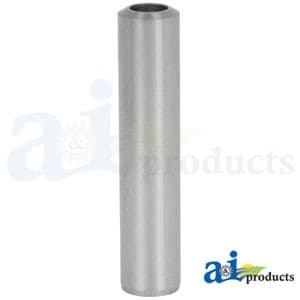
356583R21 - Valve Guide
SKU: 356583R21
264 in stock
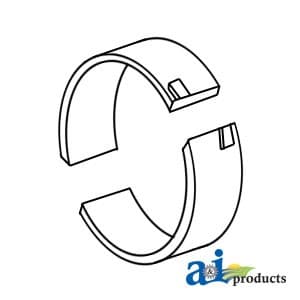
356306R11 - Connecting Rod (.002") Bearing
SKU: 356306R11
17 in stock
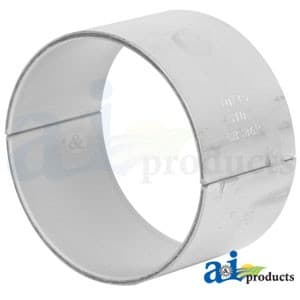
356304R11 - Connecting Rod (Std) Bearing
SKU: 356304R11
813 in stock
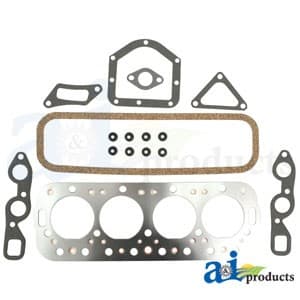
354474R95 - Upper Gasket Set
SKU: 354474R95
39 in stock
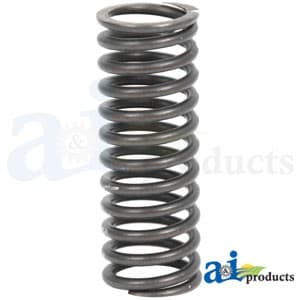
24544DA - Valve Spring
SKU: 24544DA
230 in stock
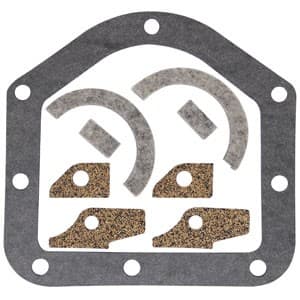
24425D - Rear Crankshaft Seal
SKU: 24425D
10 in stock