








Mower Blade Brake Clutch: Manual PTO Parts
The blade brake clutch, often part of the manual PTO system, is crucial for safe and efficient mower operation. This guide explains its function, common issues, and how to find the right replacement parts to keep your mower running smoothly.
The blade brake clutch (BBC), often integrated into the Power Take-Off (PTO) system, is a critical safety component on your riding mower or zero-turn. It allows you to engage and disengage the mower blades quickly and safely. Understanding how it works, and how to maintain it, is essential for any homeowner. While some newer mowers use electric PTO clutches, this article focuses on manual PTO systems.
Recommended Parts for This Guide
10 parts we recommend — in stock, ships fast, one-click add to cart.
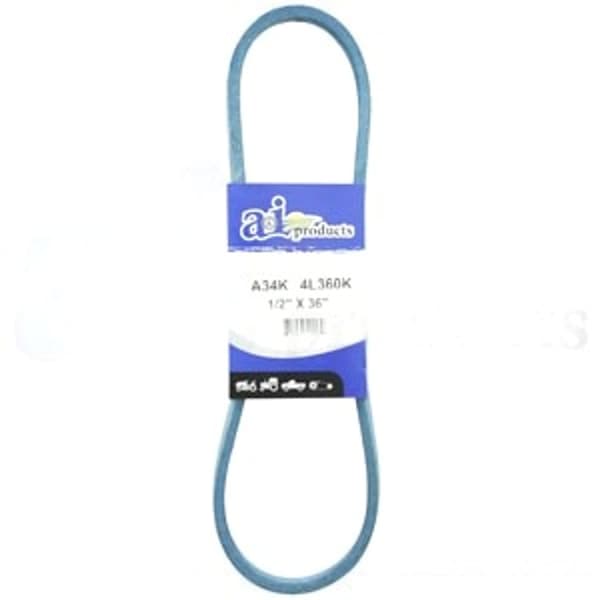
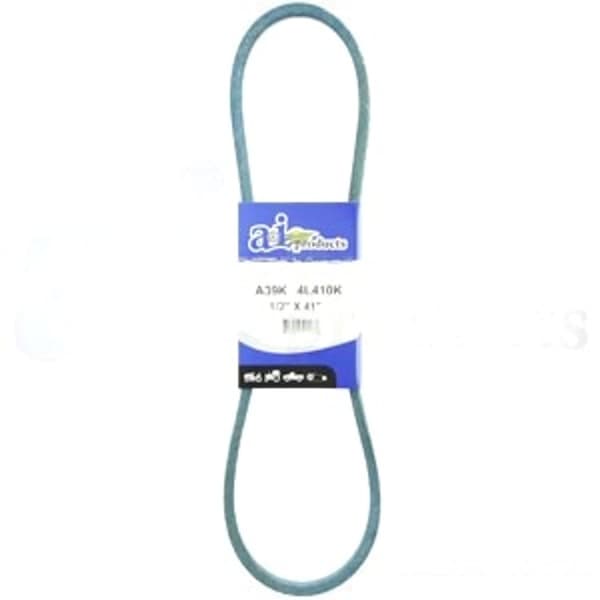
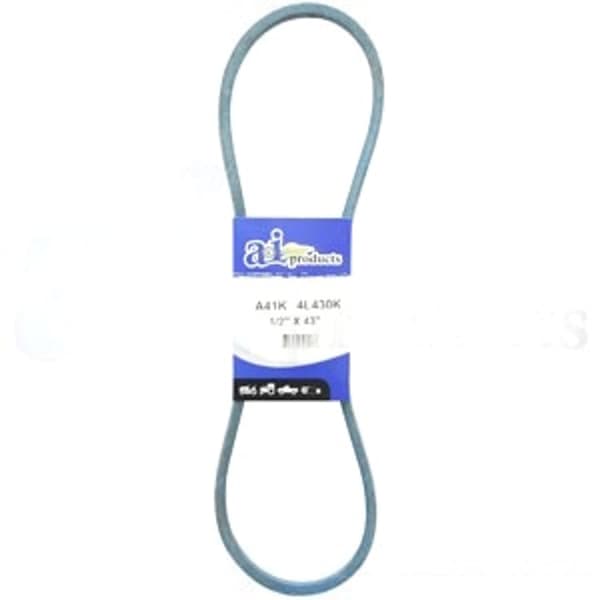
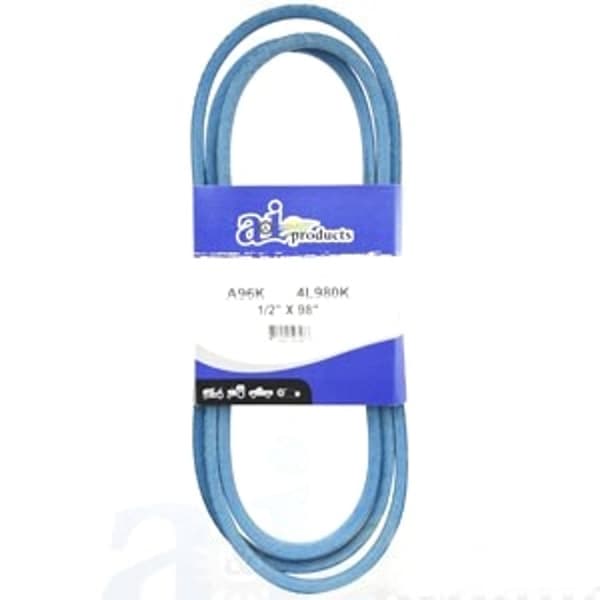
🔍 Looking for a specific part? Try our AI Part Finder — tell it your equipment and what you need, and it will find matching parts instantly.
What is a Blade Brake Clutch (Manual PTO)?
In a manual PTO system, the blade brake clutch connects and disconnects the engine's power to the mower deck, specifically to the mower spindle assemblies. When engaged, the clutch allows power to flow, turning the blades. When disengaged, it simultaneously stops the blades from spinning and prevents power transfer. This braking action is crucial for operator safety and prevents damage to the mower.
Think of it like this: the engine is always running (assuming it's started!), but the PTO clutch is the on/off switch for the blades. You pull a lever to engage the blades, and the clutch connects the engine to the mower deck pulleys, which in turn spin the mower spindle assemblies and blades. When you disengage the lever, the clutch disengages the power and applies a brake to the spindles to stop them quickly.
How a Manual Blade Brake Clutch Works
Manual blade brake clutches utilize a system of levers, cables, and springs to engage and disengage the power to the mower deck. Here's a breakdown of the key components and their functions:
- Engagement Lever: The lever you pull or push to engage/disengage the blades.
- Cable: Connects the engagement lever to the clutch mechanism.
- Clutch Plate: A friction plate that engages with the engine's crankshaft pulley to transfer power.
- Brake Arm/Pads: Applies pressure to the spindle pulley or a dedicated braking surface to stop the blades when the clutch is disengaged.
- Springs: Provide tension to maintain clutch engagement and assist with brake application.
When you engage the PTO lever, the cable pulls on the clutch plate, engaging it with the engine's pulley. This allows power to flow through the belt system, spinning the blades. When disengaged, the cable releases tension, allowing the brake arm to apply pressure and stop the blades.
Common Problems with Blade Brake Clutches
Several issues can arise with blade brake clutches, affecting their performance and safety. Here are some common problems:
- Cable Stretch or Breakage: A stretched or broken cable prevents proper engagement or disengagement. Replacement cables are readily available for most mowers, including John Deere, Cub Cadet, and Craftsman models.
- Worn Clutch Plate: Over time, the friction material on the clutch plate wears down, leading to slippage and reduced power transfer.
- Sticking or Binding: Dirt, debris, or rust can cause the clutch mechanism to stick or bind, preventing smooth operation.
- Brake Failure: Worn brake pads or a malfunctioning brake arm can lead to the blades continuing to spin even when disengaged, posing a significant safety hazard.
- Spring Fatigue: Weakened springs can compromise clutch engagement and brake application.
Troubleshooting and Maintenance
Regular maintenance and timely troubleshooting can prevent major issues with your blade brake clutch. Here are some steps you can take:
- Inspect the Cable: Check the cable for signs of wear, fraying, or stretching. Adjust the cable tension if necessary.
- Lubricate Moving Parts: Apply a light lubricant to the clutch linkage, brake arm, and cable ends to ensure smooth operation.
- Clean the Clutch Area: Remove any dirt, debris, or grass clippings that may be interfering with the clutch mechanism.
- Check Brake Pad Condition: Inspect the brake pads for wear. Replace them if they are worn thin.
- Test the Brake Function: With the mower engine off, engage and disengage the PTO lever. Verify that the blades stop quickly and completely when disengaged.
Safety Warning: Always disconnect the spark plug wire before performing any maintenance on your mower deck or blade brake clutch.
Replacing a Blade Brake Clutch
If your blade brake clutch is severely damaged or worn, replacement may be necessary. Here's a general overview of the replacement process. Note: this is a general guide, always consult your mower's service manual for specific instructions.
- Disconnect the Spark Plug: Safety first!
- Remove the Mower Deck: This will provide easier access to the clutch mechanism.
- Disconnect the Cable: Detach the PTO cable from the clutch linkage.
- Remove the Old Clutch: Depending on the mower model, the clutch may be held in place by bolts, screws, or clips.
- Install the New Clutch: Follow the manufacturer's instructions for installing the new clutch. Ensure all components are properly aligned and secured.
- Reconnect the Cable: Reattach the PTO cable to the clutch linkage. Adjust the cable tension as needed.
- Reinstall the Mower Deck: Reattach the mower deck to the mower.
- Test the Clutch: Start the mower and test the clutch engagement and disengagement. Verify that the blades stop quickly and completely when disengaged.
When replacing the clutch, it’s also a good time to inspect other deck components such as the mower spindle bearings, mower deck idler pulley, belts, and blades. Replacing these worn parts at the same time can save you time and effort in the long run.
Remember to consult your mower's service manual for specific instructions and torque specifications. If you're not comfortable performing this repair yourself, it's best to seek assistance from a qualified mechanic.
Finding the Right Replacement Parts
Finding the correct blade brake clutch replacement parts is crucial for a successful repair. When searching for parts, be sure to have your mower's model number and serial number handy. This information will help you identify the exact parts that are compatible with your machine.
Madison Tractor Company carries a wide selection of blade brake clutch parts for various mower brands, including John Deere, Craftsman, Cub Cadet, Husqvarna, Toro, Ariens, Murray, Hustler, Scag, Exmark, Ferris, Snapper, Simplicity, and Dixie Chopper. We offer everything from replacement cables and clutch plates to complete clutch assemblies.
We also stock other essential mower parts, such as belts, blades, spindles, pulleys, filters, spark plugs, bearings, and shear pins. Whether you're performing routine maintenance or tackling a major repair, we have the parts you need to keep your mower running smoothly.
Shop Blade Brake Clutch Parts at Madison Tractor Company
At Madison Tractor Company, we're committed to providing our customers with high-quality parts and exceptional service. We understand the importance of keeping your outdoor power equipment in top condition, and we're here to help you find the right parts for the job.
Browse our extensive online catalog or contact our knowledgeable team for assistance. We're always happy to answer your questions and help you find the perfect parts for your needs. Keep your mower running safely and efficiently with parts from Madison Tractor Company! You can also use our AI-Powered Part Finder to search for parts by your specific make and model.
Part of our comprehensive guide
Mower Spindle Assembly Guide: Find the Right Spindle for Your Deck