








Mower Deck Springs: Lift Springs & Extension Springs
Mower deck springs are crucial for raising, lowering, and maintaining proper tension in your lawnmower deck. This guide covers different types of mower deck springs, common issues, and how to replace them, ensuring a smooth and even cut for your lawn.
Introduction to Mower Deck Springs
Your lawnmower deck relies on a network of components to deliver a clean, even cut. While the blades, mower spindle bearings, and belts often take center stage, don't underestimate the vital role of mower deck springs. These springs ensure proper deck height adjustment, belt tension, and overall smooth operation. Without functional springs, you might experience uneven cuts, a dragging deck, or difficulty adjusting the cutting height.
Recommended Parts for This Guide
4 parts we recommend — in stock, ships fast, one-click add to cart.
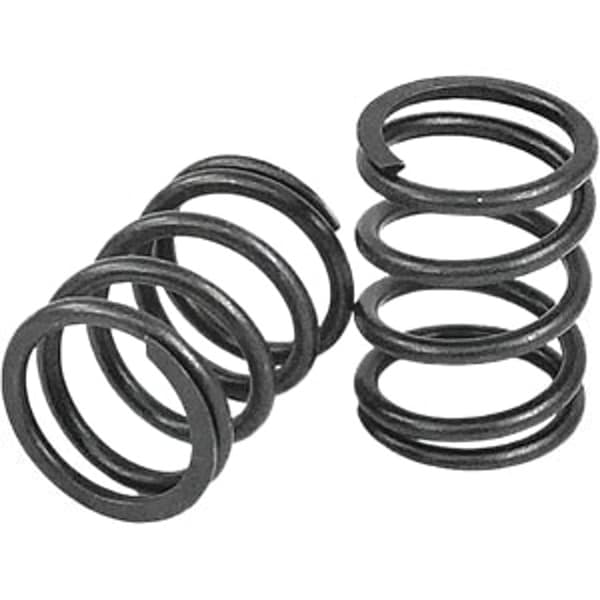
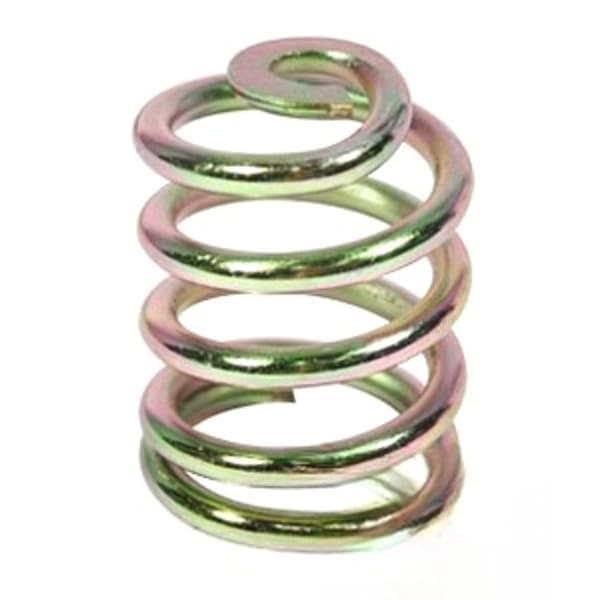
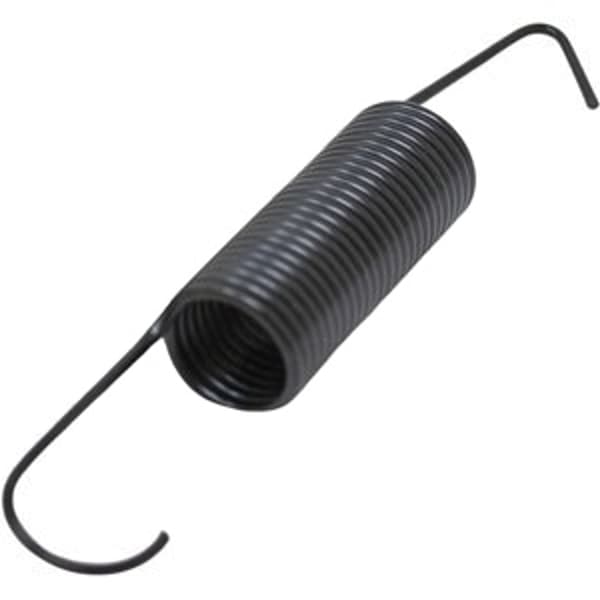
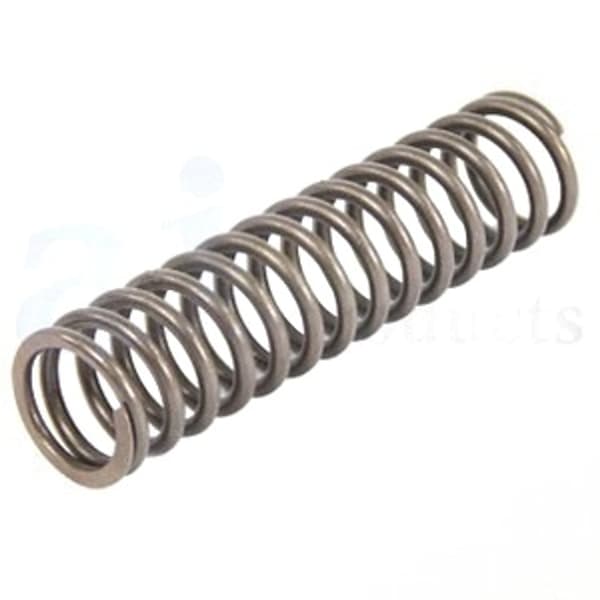
🔍 Looking for a specific part? Try our AI Part Finder — tell it your equipment and what you need, and it will find matching parts instantly.
This guide will explore the different types of mower deck springs, focusing on lift springs and Extension springs. We'll discuss common problems, troubleshooting techniques, and how to find the correct replacement springs for your mower. Whether you own a John Deere, Craftsman, Cub Cadet, Husqvarna, Toro, or another brand, understanding your mower deck springs will help you keep your lawn looking its best.
Remember, proper mower deck maintenance also includes inspecting mower deck pulleys and the mower deck idler pulley. A worn pulley can cause belt slippage, mimicking spring problems.
Types of Mower Deck Springs
Mower decks utilize various types of springs, each serving a specific purpose. The two most common types are lift springs and extension springs.
Lift Springs
Lift springs, also called deck lift assist springs, are heavy-duty springs that help you raise and lower the mower deck. These springs counteract the weight of the deck, making it easier to adjust the cutting height using the deck lift lever. Typically, these are large coil springs located between the mower frame and the deck lift mechanism. Without properly functioning lift springs, raising and lowering the deck can become a strenuous task.
Common problems with lift springs include:
- Sagging: Over time, lift springs can lose their tension and sag. This results in a lower cutting height than desired and makes it harder to lift the deck.
- Breakage: Lift springs are under constant stress and can eventually break, rendering the deck lift mechanism useless.
- Corrosion: Exposure to moisture and the elements can cause lift springs to corrode, weakening them and leading to premature failure.
Extension Springs
Extension springs are smaller than lift springs and are primarily used to maintain proper mower deck belt tension. These springs are often attached to the idler pulley arm, ensuring that the belt remains tight and engaged with the mower deck pulleys and the engine pulley. Proper belt tension is crucial for efficient power transfer to the blades and preventing belt slippage.
Common problems with extension springs include:
- Loss of Tension: Like lift springs, extension springs can lose tension over time, resulting in belt slippage and reduced cutting performance.
- Stretching: Excessive stress can cause extension springs to stretch beyond their designed length, diminishing their ability to maintain proper belt tension.
- Disconnection: Extension springs can sometimes become disconnected from their anchor points, leading to immediate belt slippage and a non-functional mower deck.
Identifying and Troubleshooting Spring Issues
Recognizing the symptoms of faulty mower deck springs is crucial for maintaining optimal lawnmower performance. Here's how to identify and troubleshoot common spring-related problems:
Signs of Worn or Broken Lift Springs
- Difficulty Raising/Lowering Deck: If you struggle to lift the deck, or if it feels significantly heavier than usual, the lift springs might be weak or broken.
- Uneven Cut: Sagging lift springs can cause the deck to sit lower on one side, resulting in an uneven cut.
- Visible Sagging: Inspect the lift springs for any signs of sagging, corrosion, or breakage. Compare the length and appearance of the springs on both sides of the mower.
Signs of Worn or Broken Extension Springs
- Belt Slippage: If the mower belt slips frequently, especially when engaging the blades or cutting through thick grass, the extension spring might be weak or broken.
- Blade Engagement Problems: Difficulty engaging the blades can also indicate insufficient belt tension due to a faulty extension spring.
- Visible Stretching or Disconnection: Check the extension spring attached to the idler pulley arm. Look for signs of stretching, disconnection, or damage.
- Unusual Noises: A squealing or chirping noise from the mower deck can indicate belt slippage due to insufficient tension.
Troubleshooting Steps
- Visual Inspection: Carefully inspect all mower deck springs for signs of damage, corrosion, stretching, or disconnection.
- Compare Springs: If your mower has multiple lift springs, compare them side-by-side. Any noticeable difference in length or appearance could indicate a problem.
- Test Tension: With the engine off and the mower in a safe position, try manually manipulating the idler pulley arm. If it moves too easily or feels loose, the extension spring might be weak.
- Check Anchor Points: Ensure that all springs are properly attached to their anchor points on the mower frame and deck.
Safety First: Before inspecting or working on your mower deck, always disengage the blades, turn off the engine, remove the key, and disconnect the spark plug wire. Wear gloves and eye protection.
Replacing Mower Deck Springs
Replacing mower deck springs is a relatively straightforward task that can significantly improve your mower's performance. Here's a step-by-step guide:
- Identify the Correct Replacement Spring: The most crucial step is to find the correct replacement spring for your mower model. Refer to your owner's manual or consult with a parts specialist at Madison Tractor to ensure you get the right spring. We carry springs for John Deere, Craftsman, Cub Cadet, Husqvarna, Toro, Ariens, Murray, Hustler, Scag, Exmark, Ferris, Snapper, Simplicity, and Dixie Chopper mowers. Have your model number handy when ordering.
- Gather Your Tools: You'll need basic tools such as pliers, screwdrivers, wrenches, and potentially a spring puller or hook.
- Prepare the Mower: As always, disengage the blades, turn off the engine, remove the key, and disconnect the spark plug wire.
- Remove the Old Spring: Depending on the type of spring and its location, you might need to use pliers or a spring puller to detach it from its anchor points. Be careful not to damage any surrounding components. Note how the spring is attached before removal; taking a picture is helpful.
- Install the New Spring: Attach the new spring to the same anchor points as the old one. Ensure that the spring is properly seated and secured. A spring puller can be very helpful for this step, especially with tight or heavy-duty springs.
- Test the Deck: After installing the new spring, test the deck lift mechanism or belt tension to ensure that it is functioning correctly.
- Reassemble: Reconnect the spark plug wire and double-check all connections before starting the engine.
Tip: When replacing multiple springs, replace them one at a time to avoid confusion about their placement and orientation. Referencing the mower's parts diagram can also be incredibly helpful.
Preventative Maintenance for Mower Deck Springs
Extending the lifespan of your mower deck springs requires regular maintenance and care. Here are some tips to help prevent premature failure:
- Regular Cleaning: Keep the springs clean and free of debris. Use a brush and compressed air to remove dirt, grass clippings, and other contaminants.
- Lubrication: Apply a light coat of lubricant, such as silicone spray or white lithium grease, to the springs to prevent corrosion and maintain smooth operation.
- Inspect Regularly: Periodically inspect the springs for signs of wear, corrosion, or damage. Replace any worn or damaged springs promptly.
- Avoid Overloading: Avoid putting excessive stress on the deck lift mechanism or belt tensioner. Overloading can accelerate spring wear and lead to premature failure.
- Proper Storage: When storing your mower for the off-season, clean the deck thoroughly and apply a protective coating to the springs to prevent corrosion.
By following these preventative maintenance tips, you can significantly extend the lifespan of your mower deck springs and ensure optimal performance for years to come. Remember to check other wear items on your mower deck regularly, such as the John Deere deck pulleys (if applicable) and mower spindle bearings. A well-maintained mower deck is a happy mower deck!
Shop Mower Deck Springs at Madison Tractor Company
At Madison Tractor Company, we understand the importance of having reliable, high-quality parts for your outdoor power equipment. We carry a wide selection of mower deck springs for various brands, including John Deere, Craftsman, Cub Cadet, Husqvarna, Toro, and many more. Whether you need lift springs, extension springs, or other deck components like belts, blades, John Deere mower spindle assemblies, or Cub Cadet spindle assembly replacements, we have you covered. Shop with confidence knowing that you're getting top-quality parts and expert advice from our knowledgeable team.
Visit our website today to browse our extensive selection of lawn mower parts and find the perfect springs for your mower deck. Keep your lawn looking its best with Madison Tractor Company!
🔍 Can't Find Your Part?
Use our AI-Powered Part Finder to search by your equipment's make, model, and what you need. It's the fastest way to find the exact part for your machine.
Try the Part Finder →Part of our comprehensive guide
Mower Spindle Assembly Guide: Find the Right Spindle for Your Deck