








John Deere PTO Clutch: Electric Clutch Part Numbers
A faulty John Deere PTO clutch can leave you with a mower that won't engage the blades. This guide helps you identify the correct electric clutch part number and provides troubleshooting tips to get your mower back in action.
Understanding the John Deere PTO Clutch
The Power Take-Off (PTO) clutch is a critical component on your John Deere riding mower or zero-turn mower. It's responsible for engaging and disengaging the mower deck, allowing you to start and stop the blades. Most modern John Deere mowers utilize an electric PTO clutch, which offers smooth and reliable operation. When your mower deck pulleys aren't spinning, the PTO is often the first suspect.
Recommended Parts for This Guide
8 parts we recommend — in stock, ships fast, one-click add to cart.
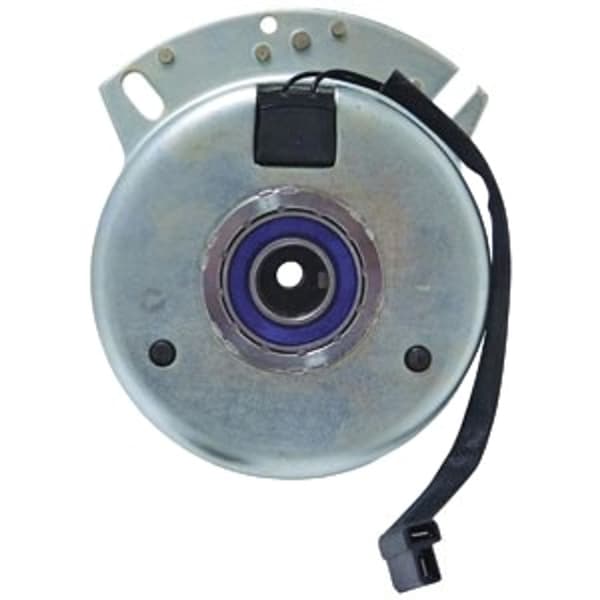
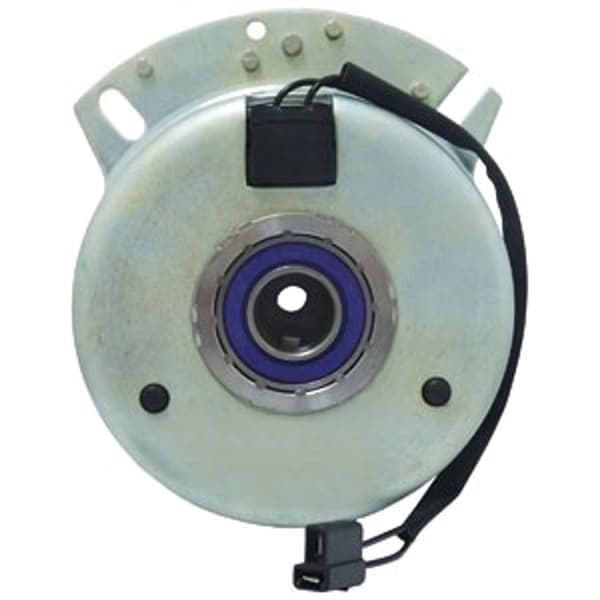
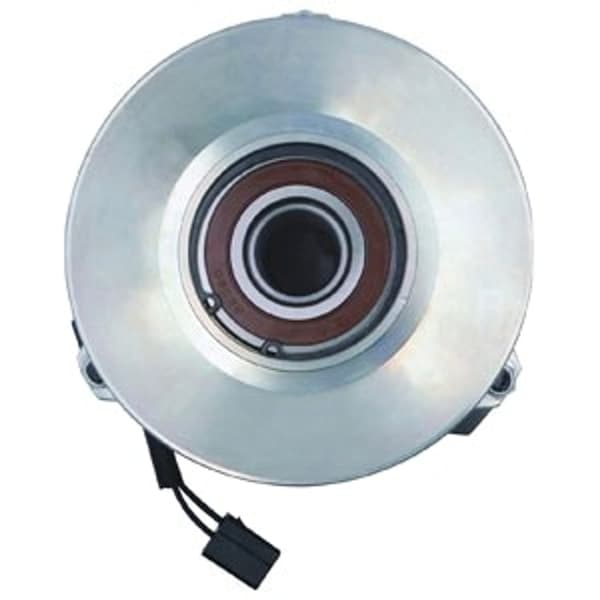
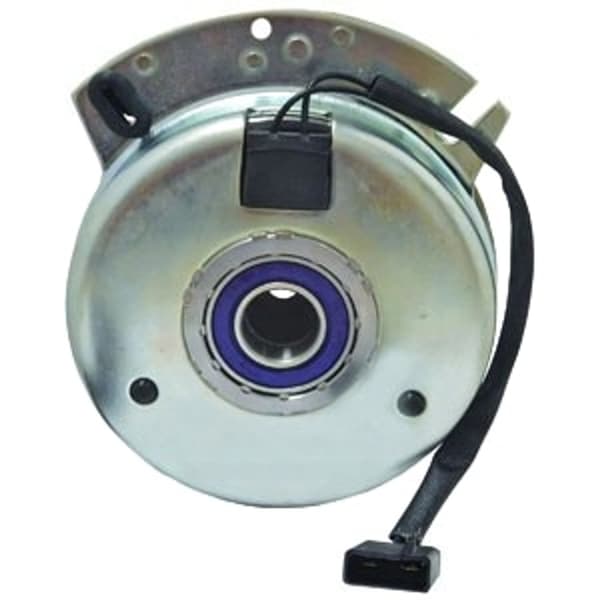
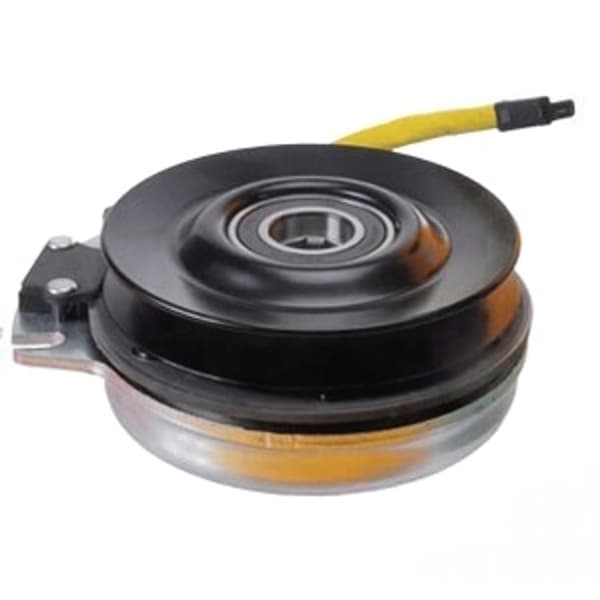
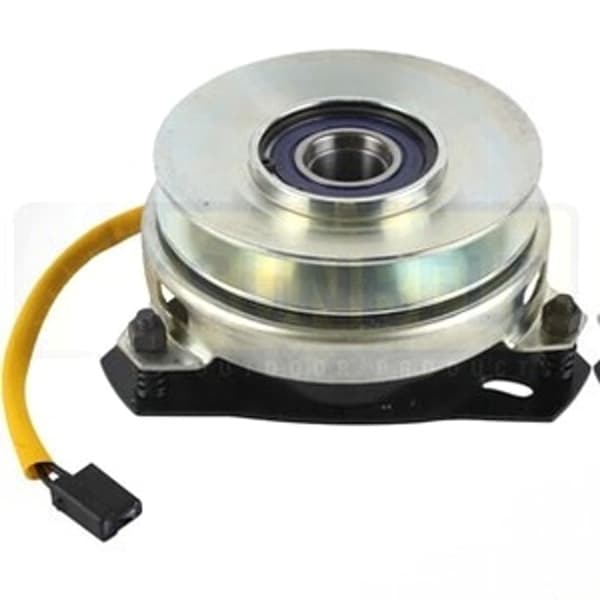
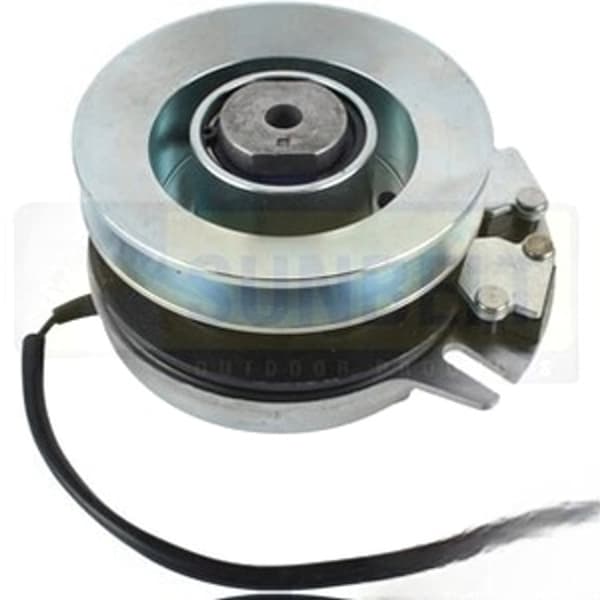
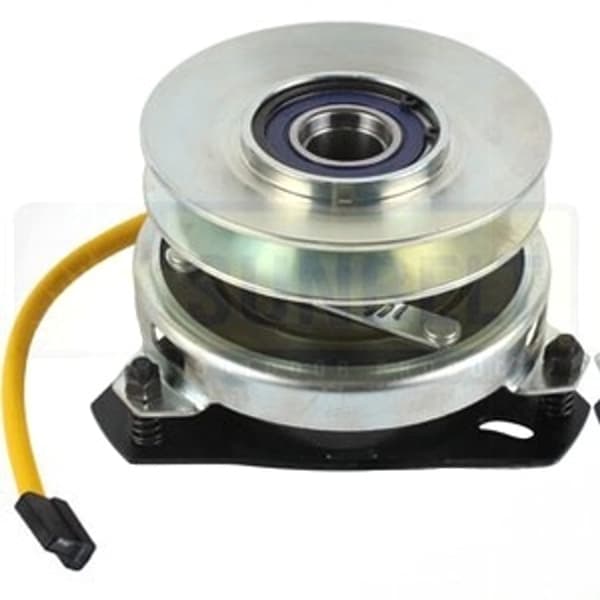
🔍 Looking for a specific part? Try our AI Part Finder — tell it your equipment and what you need, and it will find matching parts instantly.
This article focuses primarily on electric PTO clutches, but it's helpful to know other types exist
- Manual PTO Clutch Older models might have a manual lever to engage the PTO.
- electric pto clutch Activated by an electric switch, engaging a magnetic field to connect the engine to the deck.
Common Symptoms of a Failing John Deere PTO Clutch
Recognizing the symptoms of a failing PTO clutch can save you time and prevent further damage. Here are some common signs
- Blades won't engage The most obvious sign. You flip the switch, but the blades don't spin.
- Burning smell This could indicate excessive wear and friction within the clutch.
- Loud noise when engaging Grinding or squealing noises suggest damaged bearings or worn friction surfaces.
- Intermittent engagement The blades engage sometimes, but not consistently.
- Weak engagement The blades spin, but lack power and bog down easily.
Troubleshooting Your John Deere PTO Clutch
Before replacing the entire clutch, try these troubleshooting steps
- Check the wiring Ensure all connections to the clutch are secure and free from corrosion. Use a multimeter to check for voltage at the clutch connector when the PTO switch is engaged. Low voltage or no voltage indicates a problem with the switch, wiring harness, or safety interlocks.
- Inspect the air gap The air gap is the small space between the clutch faces. An incorrect air gap can prevent proper engagement. Consult your John Deere service manual for the correct air gap specification for your model. You'll likely need a feeler gauge to measure and adjust this.
- Examine the clutch for damage Look for signs of physical damage, such as cracks, broken wires, or excessive wear.
- Test the clutch coil Use a multimeter to measure the resistance of the clutch coil. An open circuit or a very low resistance reading indicates a faulty coil.
- Check the PTO switch Use a multimeter to test the continuity of the PTO switch. A faulty switch can prevent the clutch from receiving power.
Finding the Correct John Deere PTO Clutch Part Number
Identifying the right replacement PTO clutch is crucial. Here’s how to find the correct part number
- Consult your John Deere operator's manual The manual typically lists the part number for the PTO clutch specific to your model.
- Use the John Deere parts catalog The online John Deere parts catalog is a valuable resource. You can search by model number to find exploded diagrams and part numbers.
- Check the clutch itself Sometimes, the part number is stamped directly on the clutch housing.
- Contact Madison Tractor Company Our experienced parts specialists can help you identify the correct PTO clutch for your John Deere mower. Have your model and serial number ready.
Safety Warning Disconnect the spark plug wire(s) before working on any electrical components of your mower.
Common John Deere PTO Clutch Part Numbers (By Series Examples)
Please note that this is not an exhaustive list. Always verify the part number with your John Deere model and serial number. Part numbers can change over time.
| John Deere Model Series (Examples) | Possible PTO Clutch Part Number Examples | Notes |
|---|---|---|
| John Deere LA100 Series (LA105, LA115, LA125, etc.) | B1XT0007, B1XT0409 | Often used on entry-level riding mowers. Verify by model. |
| John Deere D100 Series (D105, D110, D125, etc.) | B1CL19422, B1CL19424 | Similar to LA100 series. Double-check fitment. |
| John Deere X300 Series (X300, X304, X320, etc.) | B1CL19359, B1CL19327 | Generally heavier duty than LA/D series. |
| John Deere X500 Series (X500, X520, X534, etc.) | B1XT0037, B1XT0406 | Higher-end garden tractors. |
| John Deere ZTrak Zero-Turn Mowers (Various Models) | Varies greatly by model - always verify. Examples | ZTrak models require precise part matching. |
Important Considerations
- Amperage Draw Electric clutches have an amperage draw requirement for proper operation. Ensure your mower's electrical system can handle the amperage of the replacement clutch.
- Clutch Diameter While less common than needing to know the part number, you might need to measure the diameter of your existing clutch for fitment issues on heavily modified mowers.
Replacing Your John Deere PTO Clutch: A Step-by-Step Guide
Replacing a PTO clutch is a moderately difficult task. If you're not comfortable with mechanical repairs, consider having a qualified technician perform the replacement.
- Gather your tools You'll need wrenches, sockets, a torque wrench, a puller (optional, but helpful) possibly a hammer.
- Disconnect the spark plug wire(s) This is crucial for safety.
- Remove the mower deck Follow the instructions in your owner's manual.
- Remove the old clutch This usually involves removing a bolt and using a puller to separate the clutch from the engine crankshaft. If a puller isn't available, use penetrating oil and gently tap the clutch with a hammer.
- Install the new clutch Slide the new clutch onto the crankshaft and secure it with the bolt. Torque the bolt to the specification in your service manual.
- Adjust the air gap Use a feeler gauge to set the air gap between the clutch faces according to your service manual's specifications.
- Reconnect the wiring Ensure the wiring harness is properly connected to the new clutch.
- Reinstall the mower deck Follow the instructions in your owner's manual.
- Test the clutch Start the engine and engage the PTO switch to verify that the blades engage smoothly and correctly.
Beyond John Deere: PTO Clutches for Other Brands
While this article focuses on John Deere, Madison Tractor Company carries PTO clutches for a wide range of other brands, including Craftsman, Cub Cadet, Husqvarna, Toro, Ariens, Murray, Hustler, Scag, Exmark, Ferris, Snapper, Simplicity Dixie Chopper. The process for finding and replacing a PTO clutch is similar across these brands, but always refer to the specific service manual for your model.
Keep in mind, a PTO clutch is only one component within the mower deck system. Don't forget to inspect your John Deere mower spindle assemblies, mower spindle bearings, beltsmower blades for wear and tear. Replacing these items along with the PTO clutch can improve cutting performance and extend the life of your mower.
Madison Tractor Company: Your Source for Quality Parts
At Madison Tractor Company, we're committed to providing high-quality parts and exceptional customer service. Whether you need a John Deere PTO clutch, a John Deere PTO clutch, or a John Deere PTO clutch, a set of new blades, or any other replacement part, we're here to help. We offer a wide selection of parts for all major brands of outdoor power equipment, including John Deere, Craftsman, Cub Cadet Husqvarna. Our knowledgeable staff can assist you in finding the correct parts for your specific needs.
Browse our online catalog or contact us today to find the parts you need to keep your lawn and garden equipment running smoothly.
🔍 Can't Find Your Part?
Use our AI-Powered Part Finder to search by your equipment's make, model, and what you need. It's the fastest way to find the exact part for your machine.
Try the Part Finder →Part of our comprehensive guide
Mower Spindle Assembly Guide: Find the Right Spindle for Your Deck