








Snapper Parts Lookup: Riding Mower Parts by Model
Finding the right parts for your Snapper riding mower doesn't have to be a headache. This guide walks you through using a Snapper parts lookup to identify the correct parts by model, ensuring you get the right fit every time.
Introduction to Snapper Parts Lookup
Maintaining your Snapper riding mower is crucial for a healthy lawn and a hassle-free mowing experience. Finding the correct replacement parts is the first step. Luckily, a Snapper parts lookup by model makes this process much easier. At Madison Tractor Company, we understand the importance of using the right parts for your equipment. This guide will help you navigate the Snapper parts lookup process and ensure you find the exact components you need.
Recommended Parts for This Guide
10 parts we recommend — in stock, ships fast, one-click add to cart.
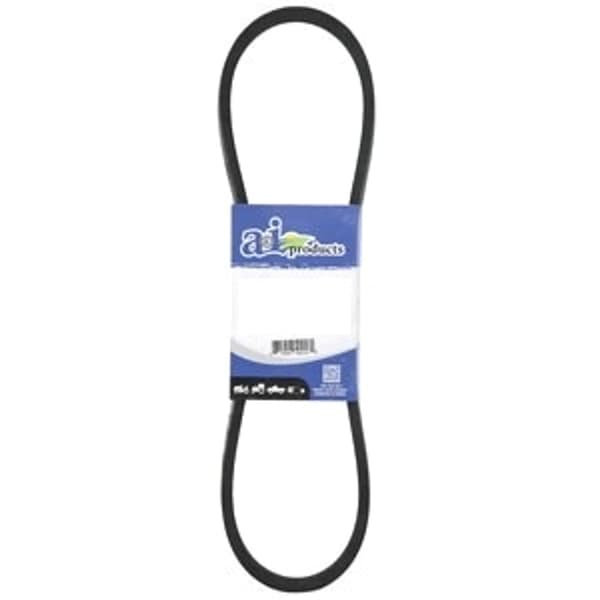
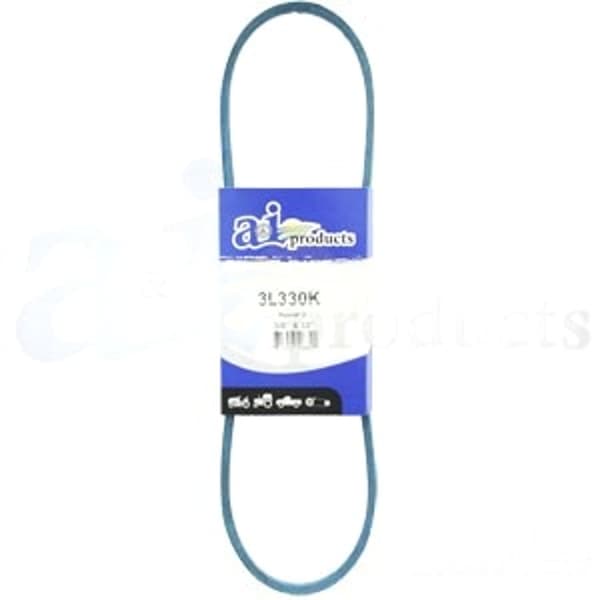
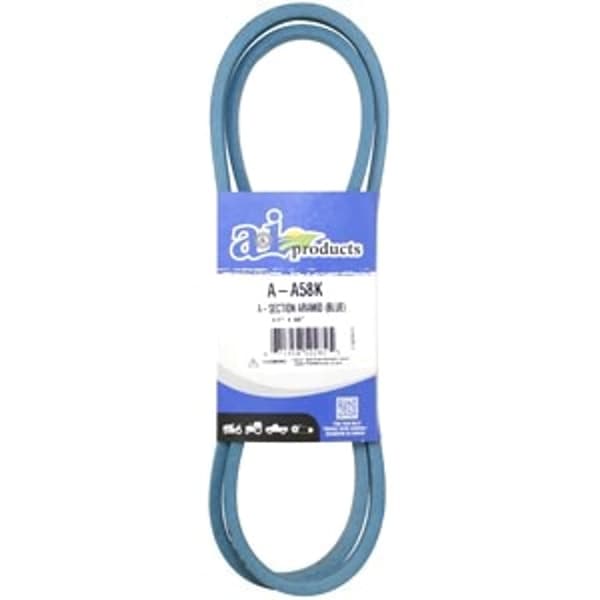
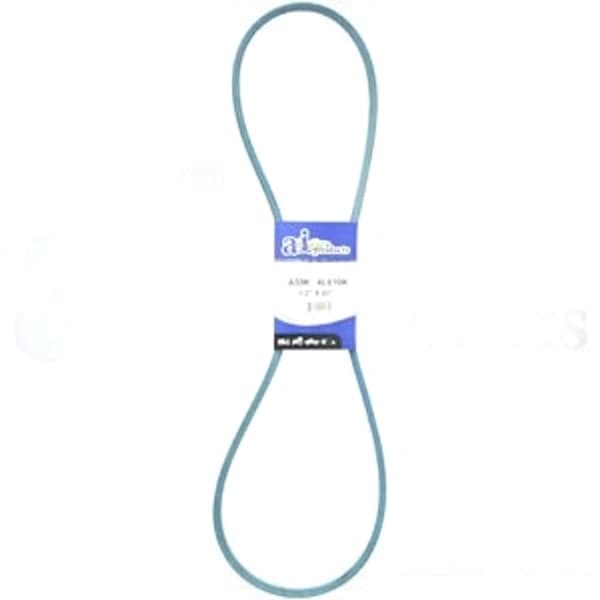
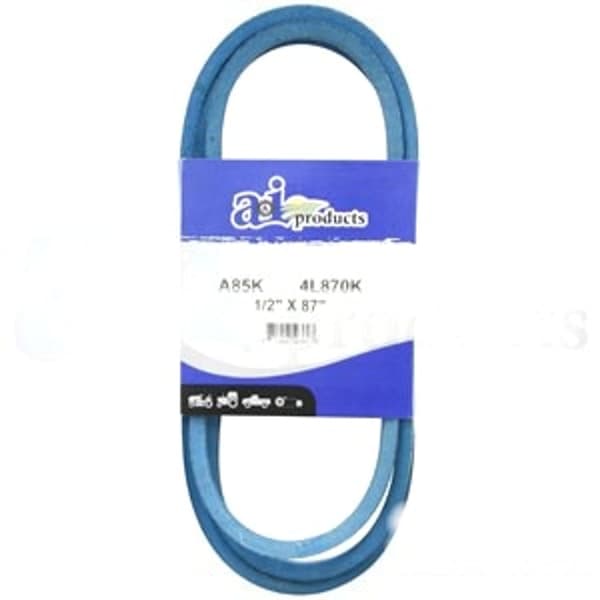
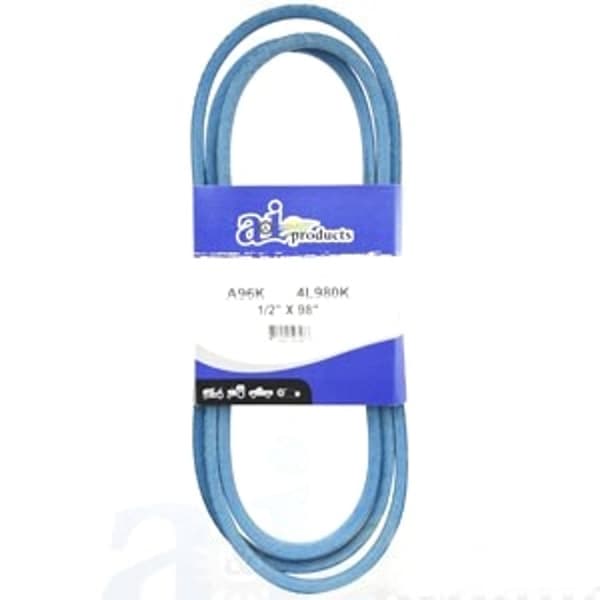
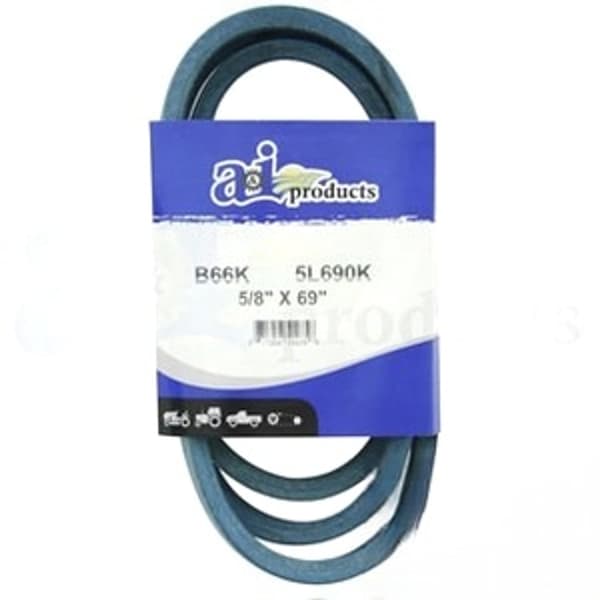
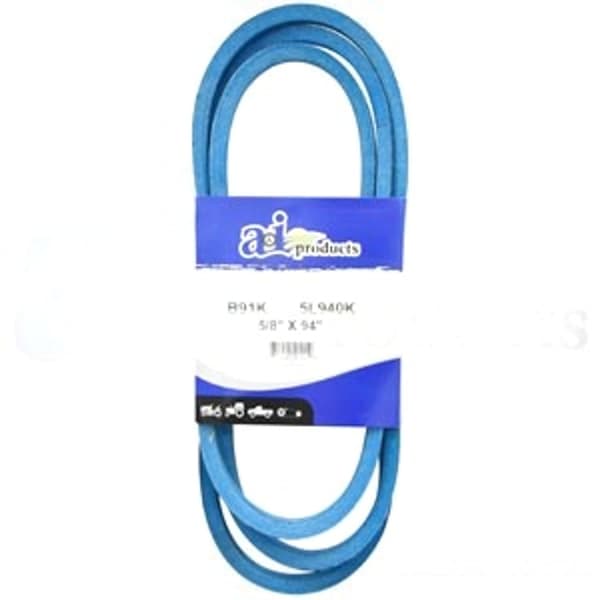
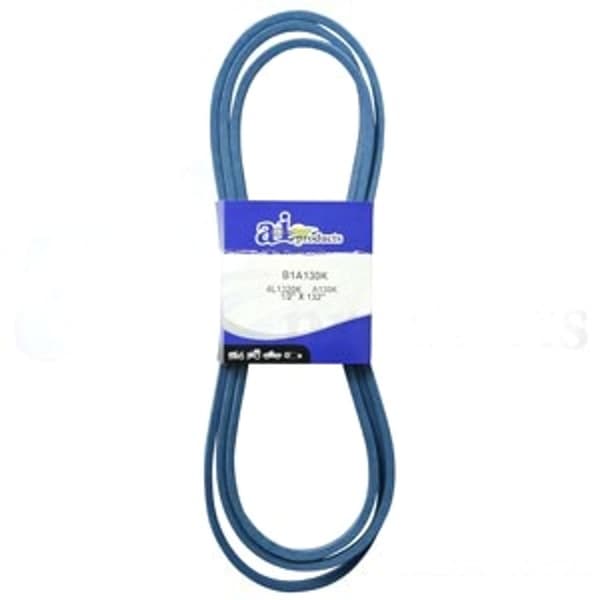
🔍 Looking for a specific part? Try our AI Part Finder — tell it your equipment and what you need, and it will find matching parts instantly.
Whether you need belts, blades, spindles, pulleys, filters, spark plugs, or other replacement parts, knowing your mower's model number is key. This guide focuses specifically on Snapper, but the general principles apply to other brands we carry like John Deere, Craftsman, Cub Cadet, Husqvarna, Toro, Ariens, Murray, Hustler, Scag, Exmark, Ferris, Simplicity, and Dixie Chopper. If you're not sure where to find your model number, check out our guide on how to find your mower model number.
Why Use a Snapper Parts Lookup?
Using a dedicated Snapper parts lookup offers several advantages:
- Accuracy: Ensures you're ordering the correct parts specifically designed for your Snapper model.
- Compatibility: Avoids the frustration of receiving parts that don't fit or function correctly.
- Efficiency: Saves time by narrowing down the vast inventory of lawn mower parts to only those relevant to your machine.
- Performance: Guarantees optimal performance and longevity of your Snapper mower by using the right components.
Opting for OEM (Original Equipment Manufacturer) parts generally provides the best fit and performance for your Snapper mower, though aftermarket options can sometimes be a more budget-friendly choice. It's important to weigh the pros and cons of each. For example, some Husqvarna parts may be similar to Craftsman parts, but always verify compatibility before purchasing.
Step-by-Step Guide to Using a Snapper Parts Lookup
Here’s a detailed guide to help you navigate the Snapper parts lookup process:
1. Locate Your Snapper Model Number
The model number is your key to finding the right parts. Typically, you can find the model and serial number on a sticker or plate located in one of these places:
- Under the seat
- On the frame near the engine
- On the mower deck
- Inside the engine compartment
The exact location can vary, so check thoroughly. Record the model and serial number, as you may need both for some parts lookups.
2. Access the Snapper Parts Lookup Tool
Many online retailers, including Madison Tractor Company, offer parts lookup tools. You can also often find these tools on the Snapper website itself.
3. Enter Your Model Number
Once you've found the parts lookup tool, enter your Snapper model number. Some tools may also require the serial number for more precise results. Double-check that you've entered the information correctly to avoid errors.
4. Browse Parts Diagrams and Lists
After entering your model number, the lookup tool will display detailed parts diagrams and lists specific to your Snapper mower. These diagrams are incredibly helpful for identifying the exact part you need, especially for complex assemblies.
For example, if you're looking for a replacement spindle, the diagram will show the spindle assembly, including all related components like bearings, bolts, and washers. Clicking on a part in the diagram will typically provide more information and allow you to add it to your cart.
5. Identify the Correct Part
Use the diagrams and lists to identify the correct part. Pay attention to the part name, description, and any notes provided. If you're unsure, compare the diagram to the actual part on your mower. Confirm the part number before adding it to your cart.
6. Order Your Parts
Once you've identified the correct parts, add them to your cart and proceed to checkout. At Madison Tractor Company, we offer a wide selection of Snapper parts at competitive prices. We also provide fast and reliable shipping to get your mower back up and running quickly.
Common Snapper Parts and Maintenance
Here are some of the most common Snapper parts that require regular maintenance or replacement:
- Blades: Replace or sharpen blades regularly for a clean cut.
- Belts: Check belts for wear and tear, and replace as needed to maintain proper drive and cutting performance.
- Spindles: Inspect spindles for damage or wear, especially after hitting objects.
- Filters: Change air and oil filters regularly to keep the engine running smoothly.
- Spark Plugs: Replace spark plugs annually for optimal engine performance.
- Pulleys: Inspect pulleys for wear and ensure they are properly aligned.
- Shear Pins: For snow blowers, shear pins are designed to break under stress to protect the auger and transmission. Always have spares on hand.
Tips for Maintaining Your Snapper Mower
Regular maintenance is key to extending the life of your Snapper mower. Here are some helpful tips:
- Follow the manufacturer's recommended maintenance schedule.
- Keep the mower clean and free of debris.
- Store the mower in a dry place when not in use.
- Use fresh fuel and oil.
- Sharpen or replace blades regularly.
- Inspect belts, pulleys, and spindles for wear.
- Consult your owner's manual for specific maintenance instructions.
Safety Precautions
Always prioritize safety when working on your lawn mower. Here are some essential safety precautions:
- Disconnect the spark plug wire before performing any maintenance or repairs. This prevents accidental starting.
- Wear safety glasses and gloves to protect yourself from debris and chemicals.
- Work in a well-ventilated area.
- Use the correct tools for the job.
- Consult your owner's manual for specific safety instructions.
- Never work on a mower while it is running.
Proper maintenance and prompt repairs are vital for ensuring the safety and longevity of your Snapper equipment. Ignoring warning signs or delaying necessary repairs can lead to more serious problems and potential safety hazards.
Troubleshooting Common Snapper Mower Problems
Even with regular maintenance, you might encounter some common issues with your Snapper mower. Here are a few troubleshooting tips:
- Mower won't start: Check the fuel level, spark plug, air filter, and battery (if applicable).
- Mower runs rough: Check the spark plug, air filter, and fuel.
- Mower cuts unevenly: Check the blades for sharpness and balance. Also, inspect the deck for damage.
- Mower is vibrating excessively: Check the blades for balance and the spindles for damage.
If you're unable to resolve the issue yourself, consult a qualified mechanic. Madison Tractor Company can often recommend local service providers.
Remember, even if you own a mower from the MTD family of brands (Cub Cadet, Troy-Bilt, etc.), the general maintenance procedures are similar.
Conclusion
Using a Snapper parts lookup by model is the most efficient way to ensure you get the right replacement parts for your riding mower. By following the steps outlined in this guide, you can confidently identify and order the components you need to keep your Snapper running smoothly for years to come. Remember to prioritize safety and consult your owner's manual for specific maintenance instructions.
Ready to get your Snapper mower back in top shape? Shop our extensive selection of Snapper mower parts at Madison Tractor Company! We offer competitive prices, fast shipping, and expert customer support. We also carry parts for many other brands, including John Deere, Craftsman, and Cub Cadet. You can also use our AI-Powered Part Finder to search for parts by your specific make and model.
Part of our comprehensive guide
OEM Parts Cross Reference Guide: Find Aftermarket Equivalents