








Mower Part Number Lookup: How to Decode Part Numbers
Struggling to find the right replacement part for your mower? This guide breaks down the mysteries of mower part numbers, helping you identify the correct parts for your machine quickly and easily.
Finding the correct replacement part for your lawn mower, snow blower, or small engine can feel like deciphering a secret code. That's where the mower part number lookup comes in! This seemingly random string of numbers and letters holds the key to ensuring you get the exact component needed to keep your equipment running smoothly. Whether you're working on a John Deere, Craftsman, Cub Cadet, Husqvarna, or any other brand, understanding how to find and interpret part numbers is essential.
Recommended Parts for This Guide
9 parts we recommend — in stock, ships fast, one-click add to cart.
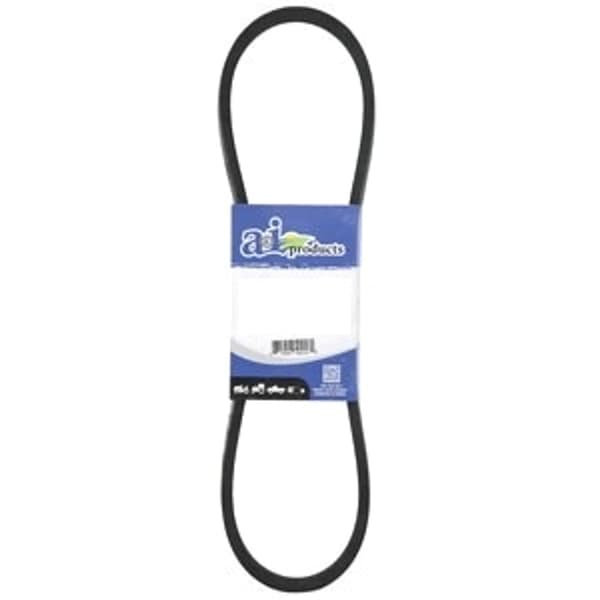
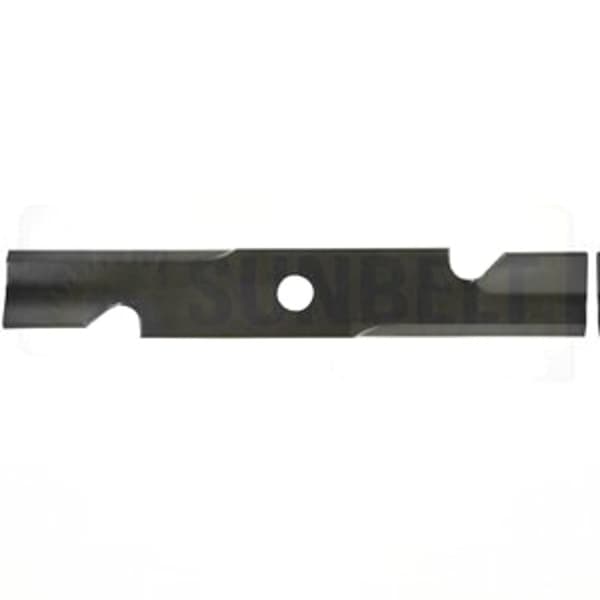
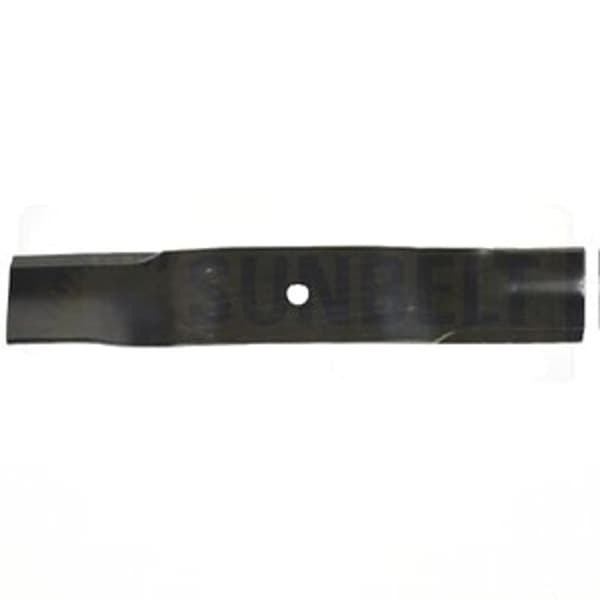
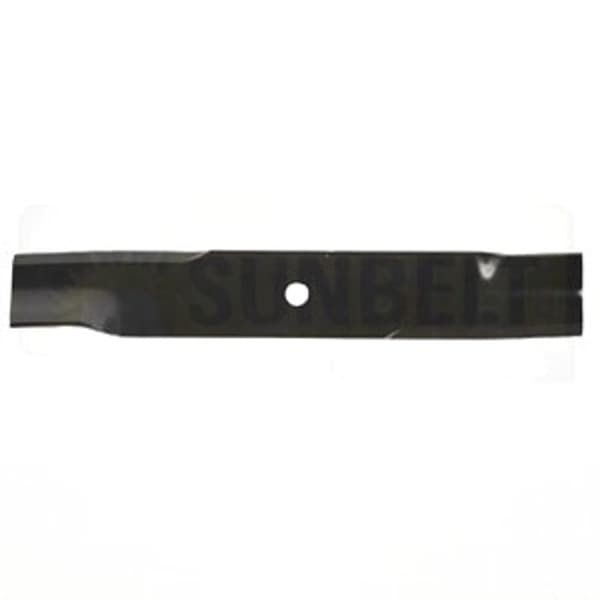
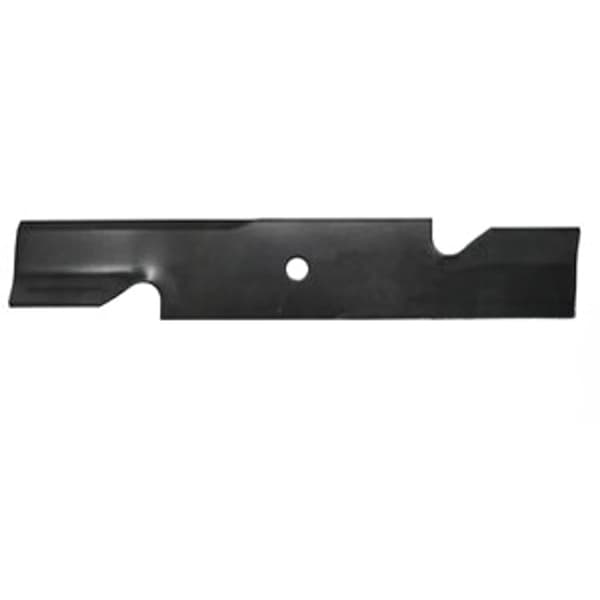
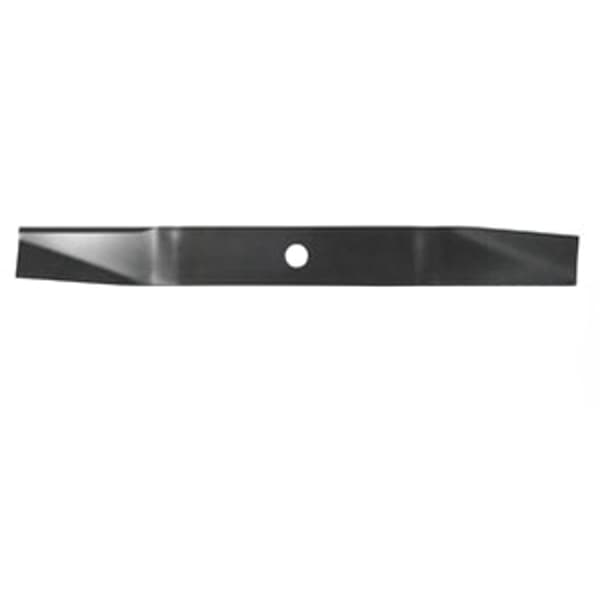
🔍 Looking for a specific part? Try our AI Part Finder — tell it your equipment and what you need, and it will find matching parts instantly.
Understanding Mower Part Numbers
A mower part number is a unique identifier assigned by the manufacturer to a specific component of a machine. Think of it like a serial number for individual parts. These numbers are crucial for accurately identifying and ordering the correct replacements, ensuring compatibility and proper function.
Manufacturers like John Deere, Cub Cadet, Toro, Ariens, Murray, Hustler, Scag, Exmark, Ferris, Snapper, Simplicity, and Dixie Chopper all use their own unique numbering systems. While the specific formats vary, the underlying purpose remains the same: to provide a precise way to identify each part.
Why are part numbers so important?
- Accuracy: Part numbers eliminate ambiguity and ensure you're ordering the correct part for your specific model.
- Compatibility: They guarantee that the replacement part will fit and function properly within your machine.
- Efficiency: Using a part number streamlines the ordering process, saving you time and hassle.
Where to Find Your Mower Part Number
The location of the part number can vary depending on the type of part and the manufacturer. Here's a general guide:
- On the Part Itself: This is the most common location. Look for a sticker, stamp, or engraving directly on the part. For example, on a mower blade, the part number might be stamped near the center hole. For belts, it's often printed along the belt's surface.
- In the Owner's Manual: Your owner's manual usually includes a parts diagram or list with corresponding part numbers. This is a valuable resource, especially for older machines.
- Online Parts Diagrams: Many manufacturers offer online parts diagrams that allow you to identify parts visually and find their corresponding numbers.
- Manufacturer's Website: You can often find parts information and diagrams on the manufacturer's website by searching for your mower's model number (learn how to find your mower model number).
- Madison Tractor Website: Our website features robust search functionality, allowing you to search by part number, model number, or part type to find the correct components.
Pro Tip: Take a picture of the part number with your phone. This is especially helpful for small parts or if the number is faded or difficult to read.
Decoding Mower Part Numbers: General Examples
While each manufacturer has its own system, here are some general patterns you might encounter:
- Numeric Part Numbers: These consist entirely of numbers. For example, a simple belt might have a part number like 754-04060 (72080 at Madison Tractor).
- Alphanumeric Part Numbers: B1SP2906 - BLADE-MOWER, XHT, 16.250", 0.756"
- Prefixes and Suffixes: Some part numbers include prefixes or suffixes that indicate specific characteristics or versions of the part. For example, a suffix might denote a different size or material.
Example Interpretations (General):
- A common part number format may start with digits indicating a category (e.g., 123- indicates engine parts).
- Middle digits might denote specific features or sizes.
- The last few digits often identify the specific part within that category.
Keep in mind: These are general examples. Always refer to the manufacturer's documentation or website for the most accurate interpretation of their part numbering system.
Using Your Mower Part Number for Lookup
Once you've found the part number, you can use it to search for the replacement part:
- Visit the Madison Tractor Website: Our site is designed to make finding the right parts easy.
- Enter the Part Number: Use the search bar at the top of the page to enter the part number.
- Review the Results: If the part is available, it will appear in the search results. Double-check the description and image to ensure it matches your original part.
- Consider Alternatives: If the exact part is unavailable, our system may suggest compatible alternatives or aftermarket parts.
What if you can't find the exact part number?
- Check for Superceded Numbers: Manufacturers sometimes update part numbers. A newer number may replace an older one.
- Consult a Parts Diagram: Use online parts diagrams to visually identify the part and find its current number.
- Contact Madison Tractor Support: Our knowledgeable team can help you identify the correct part based on your mower's model number and description of the part you need.
Cross-Referencing Part Numbers
Sometimes, you might need to find a part that's compatible across different brands or models. This is where cross-referencing comes in handy. For instance, you might be looking for a Husqvarna to Craftsman parts cross reference or need to understand MTD brands parts interchange (Cub Cadet, Troy-Bilt, etc.).
While a direct cross-reference chart for every possible combination is impossible, here's how to approach it:
- Use Online Cross-Reference Tools: Some websites offer cross-reference tools that allow you to enter a part number and find compatible alternatives from other brands.
- Check Product Descriptions: When searching for parts on Madison Tractor, carefully review the product descriptions. They often list compatible models and brands.
- Compare Specifications: If you can't find a direct cross-reference, compare the specifications of the original part with potential replacements. Consider dimensions, materials, and functionality.
Specific Brands & Common Parts
Let's look at some common brands and the types of parts you might be searching for:
- John Deere: Known for reliability, common parts include blades, belts, filters, and spark plugs. If you need a John Deere parts lookup, utilize their online resources or our website.
- Craftsman: A popular brand with a wide range of models. Common parts include belts, blades, spindles, and batteries. Finding out who makes Craftsman mowers now can help with part compatibility. For a Craftsman parts lookup, refer to your owner's manual or our search tool.
- Cub Cadet: Renowned for its ruggedness, common replacement parts include belts, blades, pulleys, and filters. A Cub Cadet parts lookup is straightforward using your model number.
- Husqvarna: Known for innovation and performance, often requires replacement belts, blades, filters, and spark plugs.
- Toro: Toro mowers often need new blades, belts, and filters.
- Ariens: Specializes in snow blowers, often requiring shear pins, belts, and scraper blades.
Other common parts to search for:
- Belts: Critical for transmitting power.
- Blades: Ensure a clean cut.
- Spindles: Support the blades and require regular greasing.
- Pulleys: Guide the belts and can wear over time.
- Filters: Protect the engine from debris.
- Spark Plugs: Essential for ignition.
- Bearings: Reduce friction in moving parts.
- Shear Pins: Protect snow blower augers from damage.
Safety First!
Before working on any mower or small engine, always:
- Disconnect the spark plug wire: This prevents accidental starting.
- Wear appropriate safety gear: This includes gloves, eye protection, and sturdy shoes.
- Consult your owner's manual: Follow the manufacturer's instructions for maintenance and repair.
- Work in a well-ventilated area: Avoid breathing fumes from gasoline or other chemicals.
Finding the right mower parts doesn't have to be a challenge. By understanding how to find and decode part numbers, you can ensure you get the exact components needed to keep your equipment running smoothly. Whether you're maintaining a John Deere, Craftsman, Cub Cadet, or any other brand, the power of the part number is in your hands.
Ready to find the parts you need? Shop Madison Tractor Company's extensive selection of OEM and aftermarket mower parts today! Shop Now You can also use our AI-Powered Part Finder to search for parts by your specific make and model.
Part of our comprehensive guide
OEM Parts Cross Reference Guide: Find Aftermarket Equivalents