








John Deere Belt Cross Reference: OEM to Aftermarket
Finding the right replacement belt for your John Deere mower or equipment can be tricky. This guide explains how to use a John Deere belt cross reference to find the correct OEM or aftermarket equivalent, ensuring optimal performance and longevity.
John Deere equipment is known for its reliability and performance. A key component in many John Deere machines, from riding mowers to combines, is the belt. When a belt wears out or breaks, finding the correct replacement is crucial for maintaining optimal operation. This guide will walk you through the process of using a John Deere belt cross reference to find the right OEM (Original Equipment Manufacturer) or aftermarket belt, whether you're dealing with a deck belt, drive belt, or any other type of belt. We'll cover how to identify your belt, understand cross-reference charts, and explore your options for both OEM and aftermarket belts from brands like John Deere, Craftsman, Cub Cadet, Husqvarna, Toro, Ariens, Murray, Hustler, Scag, Exmark, Ferris, Snapper, Simplicity, and Dixie Chopper.
Recommended Parts for This Guide
10 parts we recommend — in stock, ships fast, one-click add to cart.
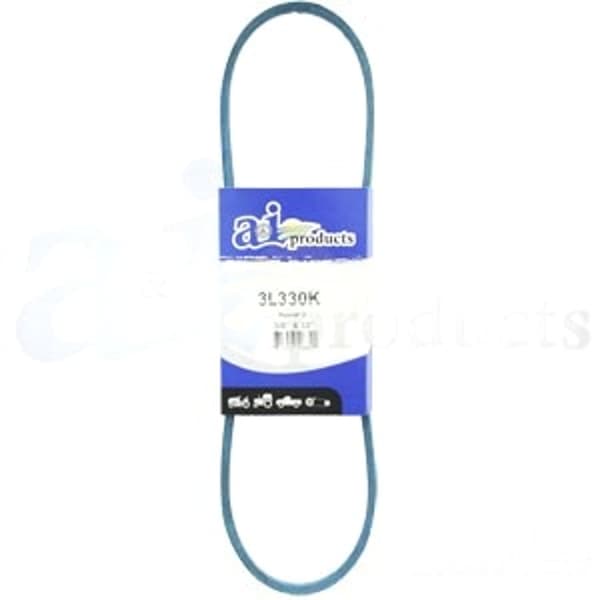
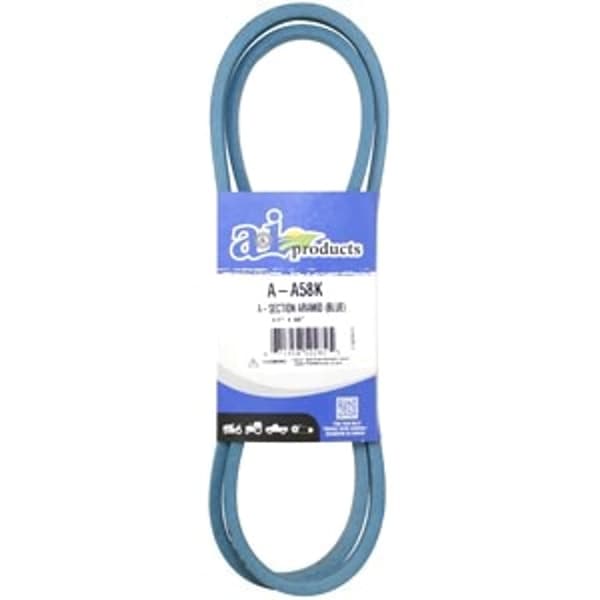
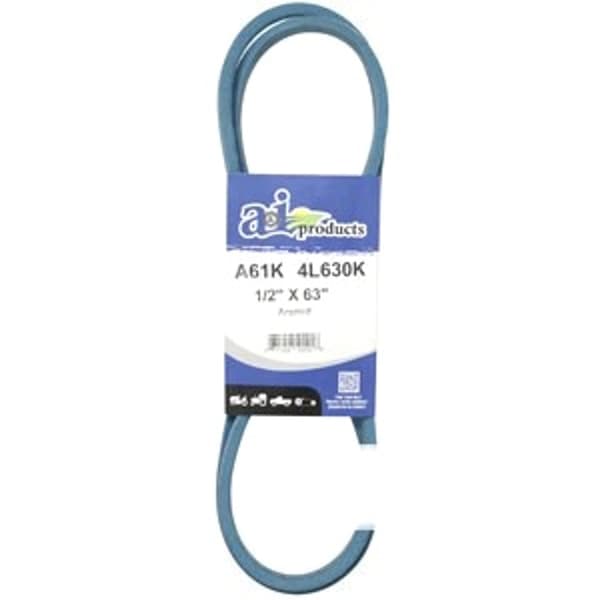
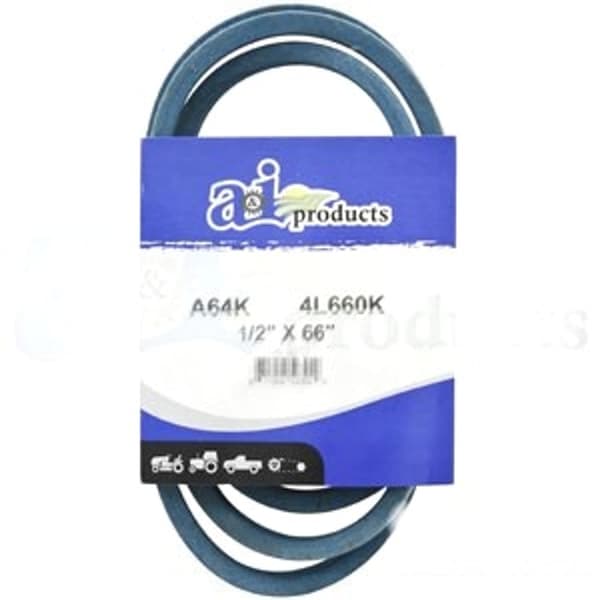
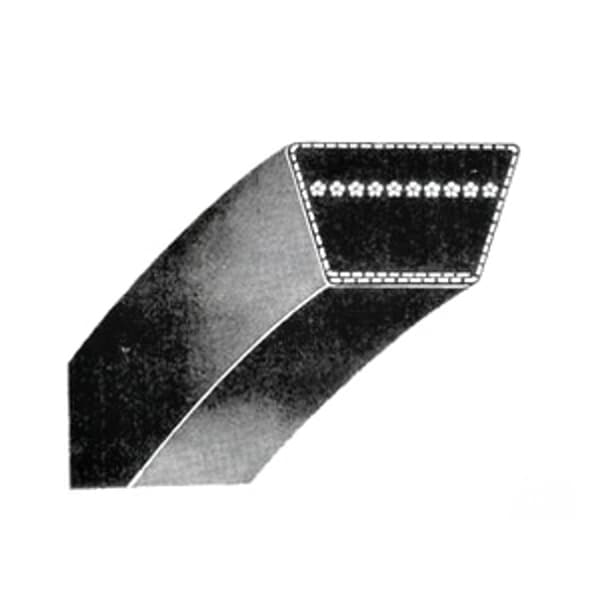
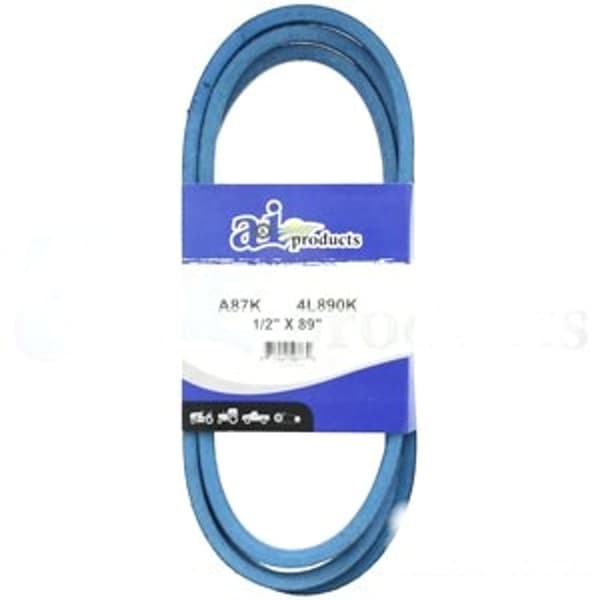
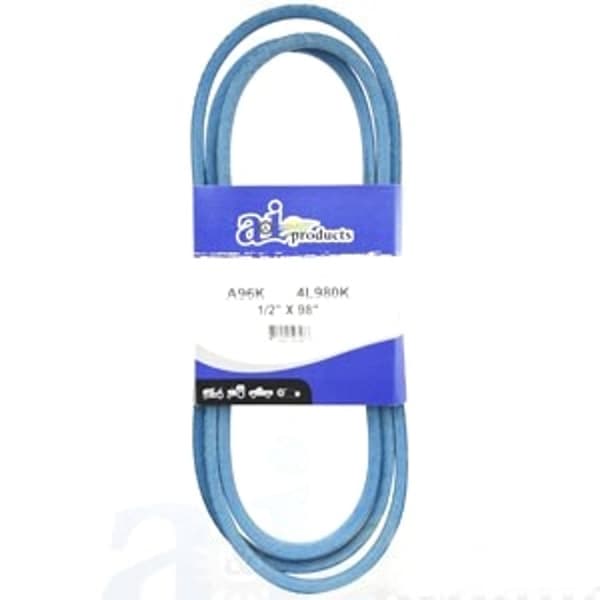
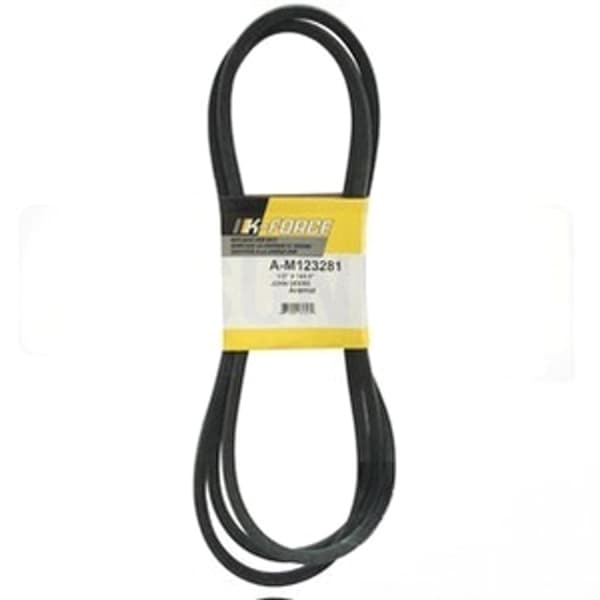
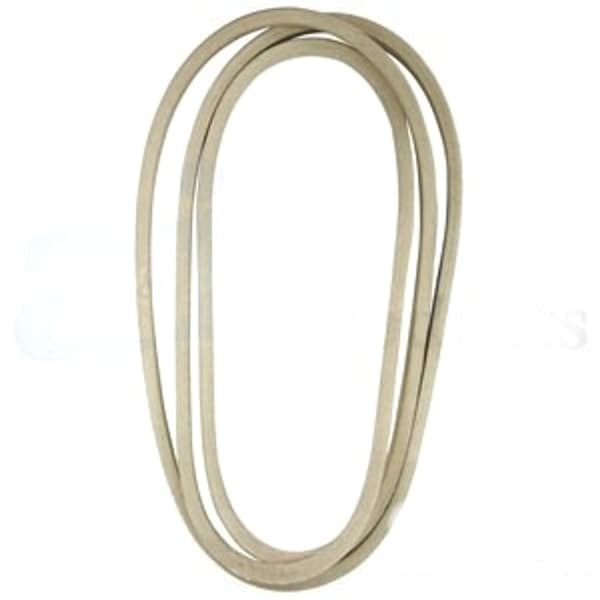
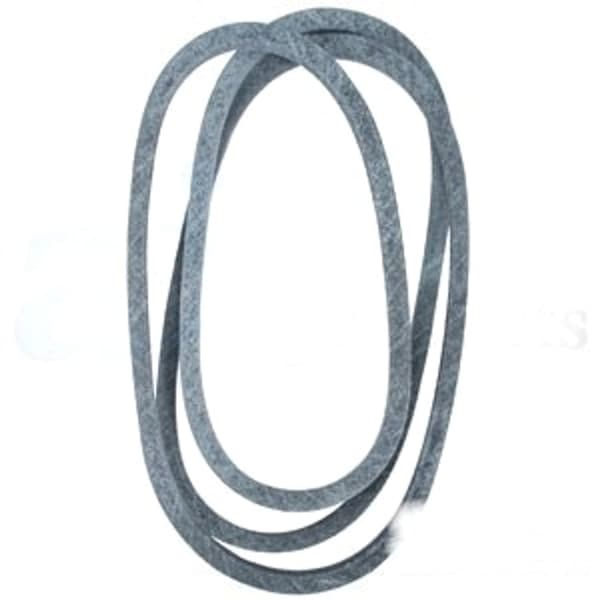
🔍 Looking for a specific part? Try our AI Part Finder — tell it your equipment and what you need, and it will find matching parts instantly.
Why Use a John Deere Belt Cross Reference?
A John Deere belt cross reference is a tool that allows you to find equivalent belts from different manufacturers. This is useful for several reasons:
- Finding Aftermarket Options: OEM belts can sometimes be more expensive. A cross-reference helps you find high-quality aftermarket alternatives that offer similar performance at a potentially lower cost.
- Availability: Sometimes, the exact OEM belt might be out of stock or difficult to find. A cross-reference provides alternative options that are readily available.
- Understanding Belt Specifications: Cross-referencing helps you understand the belt's dimensions and construction, which can be useful for ensuring a proper fit and function.
Identifying Your John Deere Belt
Before you can use a cross-reference, you need to accurately identify the belt you need to replace. Here's how:
- Locate the Part Number: The easiest way is to find the part number printed directly on the belt. Over time, this can wear off, but check carefully.
- Consult Your Owner's Manual: Your John Deere owner's manual will list the part numbers for all the belts used in your machine. If you've misplaced your manual, you can often find a digital copy on the John Deere website, or through a John Deere parts lookup tool.
- Use the Model Number: Use your mower's model number to identify the correct belts online or through your local dealer. If you are unsure where to find your model number, see How to Find Your Mower Model Number: Location Guide.
- Measure the Belt: Search available parts
Safety Warning: Before inspecting or replacing any belts, always disconnect the spark plug wire and engage the parking brake to prevent accidental starting.
Understanding Belt Specifications
Belts are characterized by several key specifications that you'll need to match when using a cross-reference:
- Length (Outside Circumference): The total length of the belt around the outside.
- Width: The width of the belt.
- Type: Belts come in various types, including V-belts, A-section belts, B-section belts, and banded belts. V-belts are the most common for lawn and garden equipment.
- Construction: Consider the material and construction of the belt. Kevlar-reinforced belts are more durable and resistant to stretching.
Using a John Deere belt cross reference chart
Once you have your John Deere belt part number, you can use a cross-reference chart to find equivalent belts from other manufacturers. Here's how:
- Find a Reliable Chart: Madison Tractor Company provides cross-reference information for many John Deere belts. You can often find these charts online or at your local parts dealer.
- Locate Your John Deere Part Number: Find your John Deere part number in the chart.
- Identify Equivalent Belts: Search available parts
- Verify Specifications: Double-check the specifications of the equivalent belt to ensure they match your requirements. Pay close attention to length, width, and type.
OEM vs. Aftermarket Belts: Which is Right for You?
When replacing a belt, you have the option of using an OEM belt (directly from John Deere) or an aftermarket belt. Here's a comparison:
OEM Belts
- Pros: Guaranteed fit and performance, designed specifically for your machine, often higher quality materials.
- Cons: Can be more expensive than aftermarket options.
Aftermarket Belts
- Pros: Often more affordable, readily available, wide variety of brands to choose from (e.g., Gates, Dayco, Stens).
- Cons: Quality can vary, may not always fit perfectly, requires careful cross-referencing.
The choice between OEM and aftermarket belts depends on your budget and priorities. If you prioritize guaranteed fit and performance and don't mind paying a premium, OEM is the way to go. If you're looking for a more affordable option and are willing to do some research to ensure a proper fit, aftermarket belts can be a good choice. See OEM vs Aftermarket Mower Parts: Quality & Price Comparison for a detailed comparison.
Beyond Belts: Other Common John Deere Parts
While belts are a common replacement item, other parts may also need replacement on your John Deere equipment. These include:
- Blades: Mower blades need regular sharpening and eventual replacement.
- Spindles: Deck spindles support the blades and require lubrication and occasional replacement.
- Pulleys: Pulleys guide the belts and can wear out over time.
- Springs: Mower deck belt tension springs, like other wear parts, may need occasional replacement.
- Filters: Air filters, oil filters, and fuel filters need regular replacement to maintain engine performance.
- Spark Plugs: Spark plugs ignite the fuel mixture in the engine and need replacement periodically.
- Bearings: Bearings support rotating parts and can wear out over time.
A parts lookup by model number, such as our John Deere Parts Lookup, can help you find all the parts you need.
Tips for Choosing the Right Belt
- Consider the Application: Different belts are designed for different applications. Choose a belt that is specifically designed for lawn and garden equipment or the specific task your machine performs.
- Check Reviews: Read online reviews to get an idea of the quality and performance of different aftermarket belts.
- Buy from a Reputable Source: Purchase belts from a trusted retailer like Madison Tractor Company to ensure you're getting a high-quality product.
- Proper Installation: Make sure the belt is installed correctly. Incorrect installation can lead to premature wear and failure. Refer to your owner's manual for installation instructions.
Safety Warning: Always wear safety glasses when working on your equipment.
Other Mower Brands and Cross-Referencing
While this article focuses on John Deere, the principles of parts cross-referencing apply to other brands as well. For instance, you can find cross-reference charts for Husqvarna to Craftsman parts, or explore MTD brands parts interchange options for Cub Cadet, Troy-Bilt, and more. Understanding these cross-references can save you time and money when sourcing replacement parts.
Remember that who makes Craftsman mowers can influence parts compatibility, so always double-check your cross-references.
Finding the right John Deere belt doesn't have to be a chore. With a little research and the right tools, you can quickly and easily find the perfect replacement belt for your machine, ensuring it continues to run smoothly for years to come.
From belts and blades to spindles and spark plugs, Madison Tractor Company is your one-stop shop for all your outdoor power equipment parts needs. We carry a wide selection of parts for John Deere, Craftsman, Cub Cadet, Husqvarna, Toro, and more.
Shop with Confidence at Madison Tractor Company!
Ready to find the perfect belt for your John Deere? Browse our selection of John Deere parts today!
- A-7200028: Fits 991013 PM160XDZ (Primary Deck 60"), 991019 PM160M (Primary Deck 60"), 991020 M160M (Primary Deck 60"), 991038 ZT2760HD (Primary Deck 60"), 991040 ZOOM 2660 (Primary Deck 60") and more. Replacement: 07200028
- C-BLT-0379: Fits 991013 PM160XDZ (Primary Deck 60"), 991019 PM160M (Primary Deck 60"), 991020 M160M (Primary Deck 60"), 991038 ZT2760HD (Primary Deck 60"), 991040 ZOOM 2660 (Primary Deck 60") and more. Replacement: 07200028
- CO8504: Fits 991013 PM160XDZ (Primary Deck 60"), 991019 PM160M (Primary Deck 60"), 991020 M160M (Primary Deck 60"), 991038 ZT2760HD (Primary Deck 60"), 991040 ZOOM 2660 (Primary Deck 60") and more. Replacement: 07200028
- SW22243: Fits 991013 PM160XDZ (Primary Deck 60"), 991019 PM160M (Primary Deck 60"), 991020 M160M (Primary Deck 60"), 991038 ZT2760HD (Primary Deck 60"), 991040 ZOOM 2660 (Primary Deck 60") and more. Replacement: 07200028
- TXS54: Fits 991013 PM160XDZ (Primary Deck 60"), 991019 PM160M (Primary Deck 60"), 991020 M160M (Primary Deck 60"), 991038 ZT2760HD (Primary Deck 60"), 991040 ZOOM 2660 (Primary Deck 60") and more. Replacement: 07200028
- 041237500: Fits 991013 PM160XDZ (Primary Deck 60"), 991019 PM160M (Primary Deck 60"), 991020 M160M (Primary Deck 60"), 991038 ZT2760HD (Primary Deck 60"), 991040 ZOOM 2660 (Primary Deck 60") and more. Replacement: 07200028
- 07200028DC: Fits 991013 PM160XDZ (Primary Deck 60"), 991019 PM160M (Primary Deck 60"), 991020 M160M (Primary Deck 60"), 991038 ZT2760HD (Primary Deck 60"), 991040 ZOOM 2660 (Primary Deck 60") and more. Replacement: 07200028
- 230-3831: Fits 991013 PM160XDZ (Primary Deck 60"), 991019 PM160M (Primary Deck 60"), 991020 M160M (Primary Deck 60"), 991038 ZT2760HD (Primary Deck 60"), 991040 ZOOM 2660 (Primary Deck 60") and more. Replacement: 07200028
🔍 Can't Find Your Part?
Use our AI-Powered Part Finder to search by your equipment's make, model, and what you need. It's the fastest way to find the exact part for your machine.
Try the Part Finder →Part of our comprehensive guide
OEM Parts Cross Reference Guide: Find Aftermarket Equivalents