








How to Read Mower Belt Numbers: Decode Belt Sizing
Deciphering mower belt numbers can seem daunting, but it's crucial for finding the right replacement. This guide explains how to read belt sizing codes, ensuring you get the perfect fit for your John Deere, Craftsman, or other mower.
Understanding mower belt Numbers: Your Key to the Right Replacement
Replacing a worn-out mower belt is a common part of lawn mower maintenance. Whether you own a John Deere, Craftsman, Cub Cadet, Husqvarna, Toro, Ariens, Murray, Hustler, Scag, Exmark, Ferris, Snapper, Simplicity, or even a Dixie Chopper, knowing how to read belt numbers is essential to ensure you get the right fit. Using the wrong belt can lead to poor performance, premature wear, or even damage to your mower. This guide from Madison Tractor Company will break down the mystery of mower belt numbers and help you find the perfect replacement belt for your machine. Remember to always consult your owner's manual for the specific belt requirements of your mower.
Recommended Parts for This Guide
9 parts we recommend — in stock, ships fast, one-click add to cart.
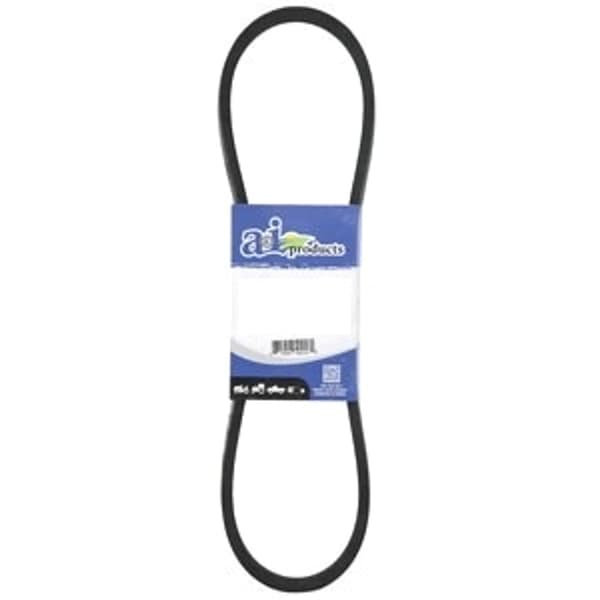
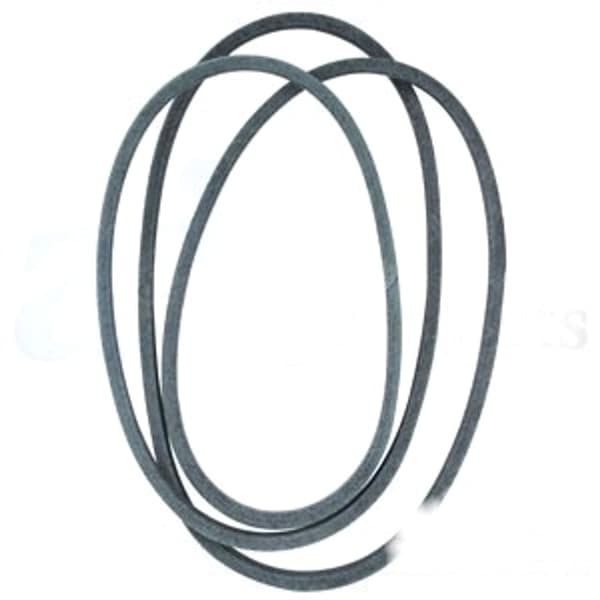
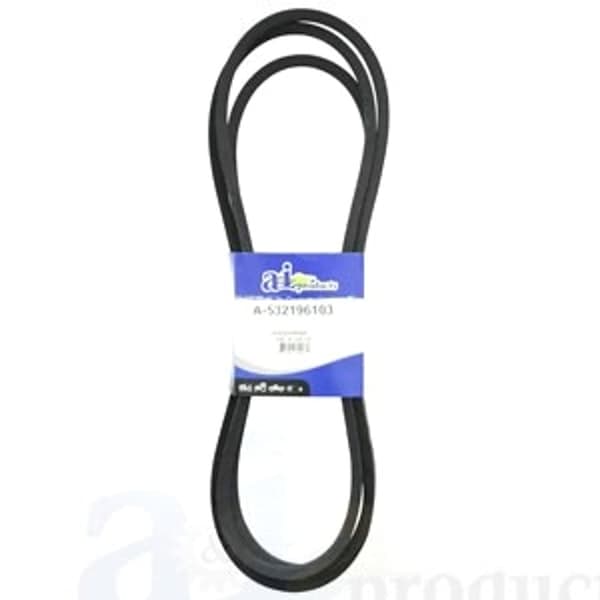
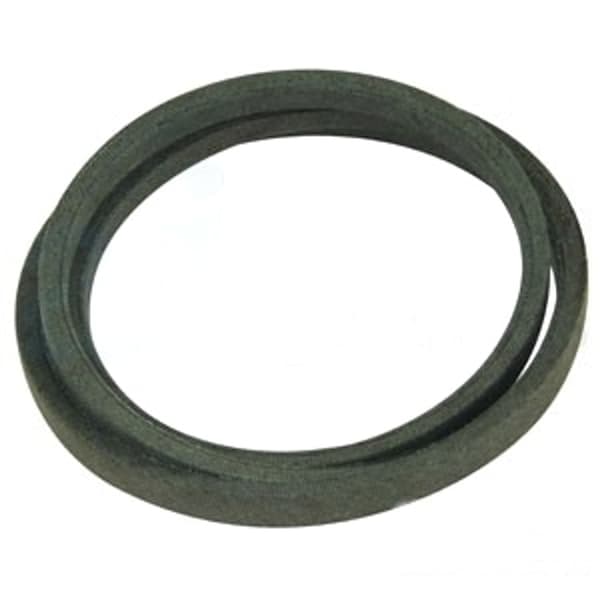
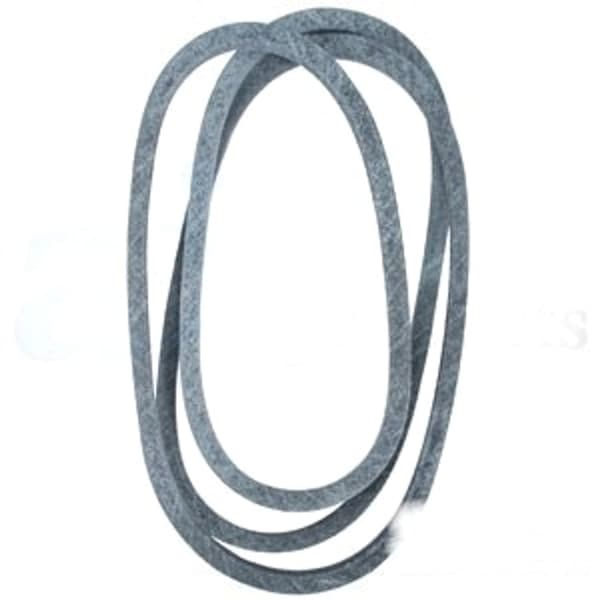
🔍 Looking for a specific part? Try our AI Part Finder — tell it your equipment and what you need, and it will find matching parts instantly.
Why Correct Belt Sizing Matters
A correctly sized mower belt is crucial for several reasons:
- Optimal Performance: The right belt ensures proper engagement with pulleys, delivering the correct power to the cutting blades or other driven components.
- Reduced Wear and Tear: A belt that's too tight or too loose can cause excessive wear on the belt itself, as well as the pulleys, spindles, and other parts of the mower.
- Safety: An improperly sized belt can slip, break, or even cause a fire hazard.
- Cost Savings: By using the correct belt, you'll extend its lifespan and avoid costly repairs or replacements of other mower components.
Breaking Down the Mower Belt Number Code
Mower belt numbers typically consist of a combination of letters and numbers that indicate the belt's dimensions and construction. Here's a general breakdown of what each part of the code usually signifies:
Belt Type (Often Indicated by a Letter)
The first letter in the belt number often indicates the type of belt. Common types include:
- A: A-section V-belt (common for fractional horsepower applications)
- B: B-section V-belt (larger than A-section, for heavier-duty applications)
- HA: Wrapped A-section V-belt (often used in clutching applications)
- HB: Wrapped B-section V-belt (similar to HA, but for B-section belts)
- 3L, 4L, 5L: Light-duty fractional horsepower V-belts
Width (Implied or Explicit)
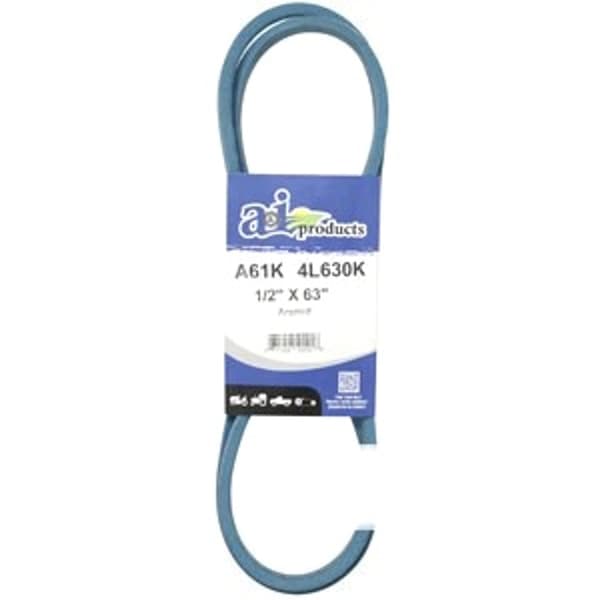
The width of the belt is typically implied by the section letter (A, B, etc.). For example, A-section belts like the A61K are generally 1/2" wide, and 3L-section belts are 3/8" wide. However, some belt numbers may explicitly include the width in inches, such as "5/8 x length".
Length (Outer Circumference)
The numbers following the section letter usually indicate the belt's outer circumference (OC) in inches. For example, a belt number like "A61K" would indicate an A-section belt with an outer circumference of 63 inches.
Example Belt Numbers:
- A61K: A-section V-belt, 63 inches outer circumference.
- B108: B-section V-belt, 108 inches outer circumference.
- 3L360K: Light-duty V-belt, 36 inches outer circumference.
- HA84: Wrapped A-section V-belt, 84 inches outer circumference.
Finding the Right Belt for Your Mower
Here's a step-by-step guide to finding the correct belt for your mower:
- Consult Your Owner's Manual: The owner's manual is your best resource for finding the correct belt number for your specific mower model.
- Check the Old Belt (If Available): If the old belt is still intact, you can often find the belt number printed directly on the belt itself. Look carefully, as the printing may be faded or worn.
- Measure the Old Belt (If the Number is Unreadable): If the number is unreadable, you can measure the old belt to determine its length. Use a flexible measuring tape to measure the outer circumference of the belt. If the belt is broken, carefully align the ends and measure the total length.
- Use a Belt Measuring Tool: For greater accuracy, consider using a belt measuring tool, which is designed specifically for measuring V-belts.
- Cross-Reference the Belt Number: If you have the original belt number, you can use our online Husqvarna to Craftsman parts cross reference and similar tools to find equivalent belts from other manufacturers. We also offer assistance in cross-referencing belts if you give us a call.
- Search by Mower Model Number: At Madison Tractor, you can search for parts by your mower's model number. This ensures you find the correct belts, blades, spindles, pulleys, filters, spark plugs, bearings, and shear pins and other components. See our guides on how to find your mower model number.
Important Considerations
- Belt Construction: Mower belts are typically made from reinforced rubber or other synthetic materials. Some belts are designed with special features, such as aramid fiber reinforcement, for increased strength and durability. Consider the operating conditions of your mower when choosing a belt. Heavy-duty applications may require a more robust belt.
- Wrapped vs. Raw Edge Belts: Wrapped belts have a fabric covering around the entire belt, while raw edge belts have exposed sides. Raw edge belts offer better flexibility and heat dissipation, which can be beneficial in certain applications.
- OEM vs. Aftermarket Belts: When replacing a mower belt, you'll often have the option of choosing between an OEM (Original Equipment Manufacturer) belt and an aftermarket belt. OEM belts are made by the same manufacturer as the mower and are designed to meet the exact specifications of the original belt. Aftermarket belts are made by third-party manufacturers and may offer a more affordable alternative. For more information, refer to our article on OEM vs aftermarket mower parts.
Safety First!
Warning: Before working on your mower, always disconnect the spark plug wire to prevent accidental starting. Wear gloves and eye protection to protect yourself from injury. If you're not comfortable replacing the belt yourself, take your mower to a qualified service technician.
Brands We Support
Madison Tractor Company is proud to offer a wide selection of belts and other parts for a variety of brands, including:
- John Deere
- Craftsman
- Cub Cadet
- Husqvarna
- Toro
- Ariens
- Murray
- Hustler
- Scag
- Exmark
- Ferris
- Snapper
- Simplicity
- Dixie Chopper
We understand the importance of finding the right parts for your equipment, and we're here to help you every step of the way. Be sure to check our articles on who makes Craftsman mowers and MTD brands parts interchange for more brand-specific information.
Shop Mower Belts at Madison Tractor Company
Now that you know how to read belt numbers, you can confidently shop for the correct replacement belt for your mower. Visit Madison Tractor Company today to browse our extensive selection of mower belts and other parts. We offer competitive prices, fast shipping, and exceptional customer service. Our knowledgeable team is always available to answer your questions and help you find the right parts for your needs. Don't let a worn-out belt keep you from enjoying a perfectly manicured lawn – shop with Madison Tractor today! You can also use our AI-Powered Part Finder to search for parts by your specific make and model.
Part of our comprehensive guide
OEM Parts Cross Reference Guide: Find Aftermarket Equivalents