








Riding Mower Tire Chains: Sizes & Installation
Don't let winter stop your riding mower! This guide will help you choose the right size tire chains for your mower and safely install them for improved traction in snow and ice.
Introduction to Riding Mower Tire Chains
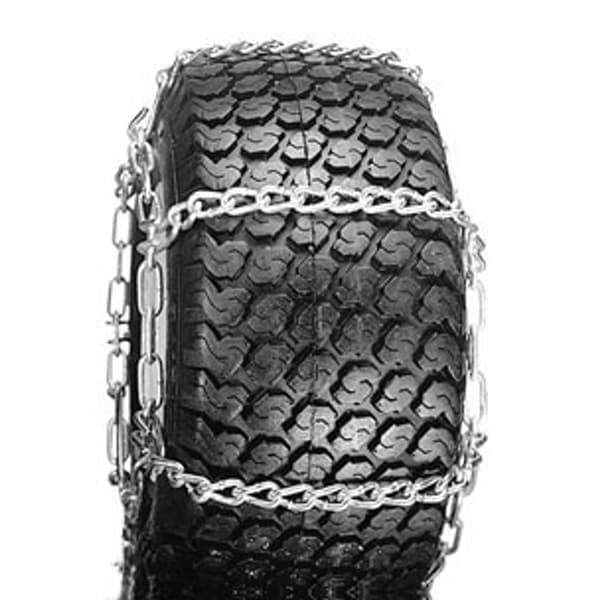
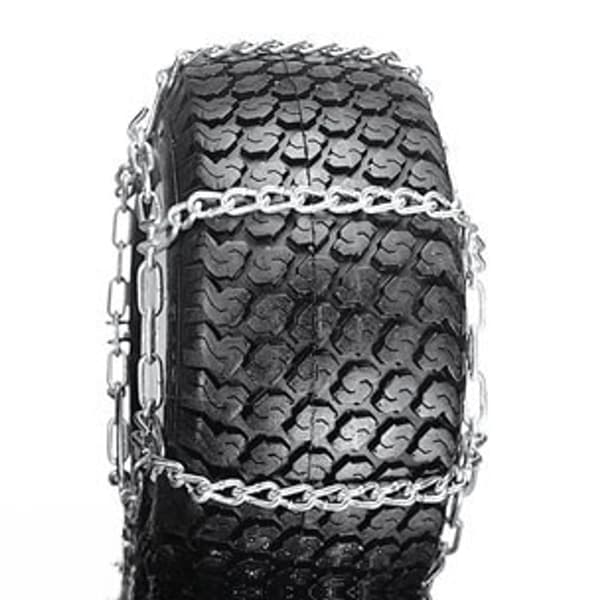
When winter arrives, your riding mower doesn't have to hibernate in the garage. With the right set of riding mower tire chains, you can transform your machine into a powerful snow-clearing tool. Whether you're using it for snow blowing, plowing, or simply navigating icy terrain, chains significantly enhance traction and safety.
Recommended Parts for This Guide
8 parts we recommend — in stock, ships fast, one-click add to cart.
🔍 Looking for a specific part? Try our AI Part Finder — tell it your equipment and what you need, and it will find matching parts instantly.
At Madison Tractor Company, we understand the importance of keeping your outdoor power equipment running year-round. That's why we offer a wide selection of parts and accessories, including high-quality tire chains designed for various riding mower models. This guide will walk you through the process of selecting the correct size chains and installing them safely and effectively.
Before we dive in, remember that safety is paramount. Always consult your mower's owner's manual for specific recommendations and warnings before operating your mower with tire chains.
Why Use Tire Chains on Your Riding Mower?
Tire chains provide several key benefits:
- Improved Traction: Chains dig into snow and ice, providing a much better grip than tires alone.
- Enhanced Safety: Reduced slippage means better control, minimizing the risk of accidents.
- Versatility: Enables you to use your mower for snow removal tasks, extending its functionality beyond lawn care.
- Protection: Some chains can provide additional protection to your tires.
Choosing the Right Size Riding Mower Tire Chains
Selecting the correct size is crucial for optimal performance and safety. Here's how to determine the right size for your mower:
- Check Your Tire Size: Locate the tire size information on the sidewall of your mower's tires. It's typically formatted as three numbers, such as 18x8.50-8 or 16x6.50-8. This represents the tire's diameter, width, and rim size, respectively.
- Consult a Tire Chain Size Chart: Once you have your tire size, consult a tire chain size chart. Many manufacturers provide charts that match tire sizes to specific chain sizes. You can usually find these charts on the retailer's website or in the product description. Madison Tractor Company provides these charts for all the riding mower accessories we sell.
- Consider Tire Clearance: Ensure that the chains will have adequate clearance within your mower's wheel wells. Insufficient clearance can cause damage to the mower or the chains.
Important Note: Tire sizes can vary slightly between manufacturers. If you're unsure about the correct size, it's always best to err on the side of caution and choose a size that's slightly larger. You can also consult with a knowledgeable parts expert at Madison Tractor Company for assistance.
Tire Chain Materials and Types
Riding mower tire chains are typically made from hardened steel. The type of chain pattern affects the level of traction provided.
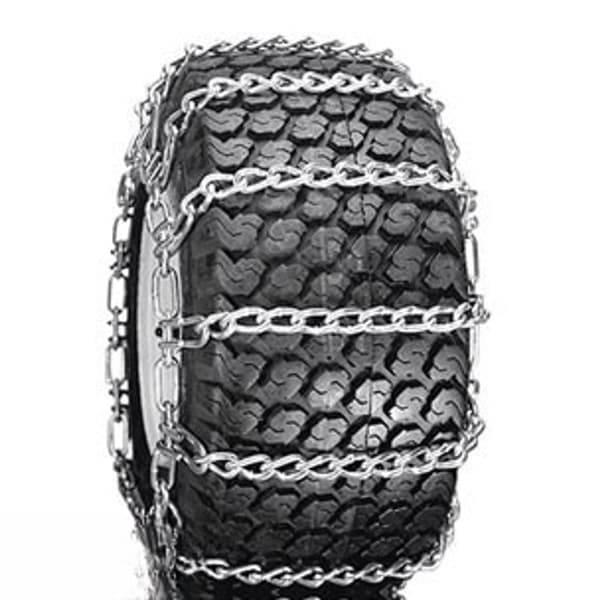
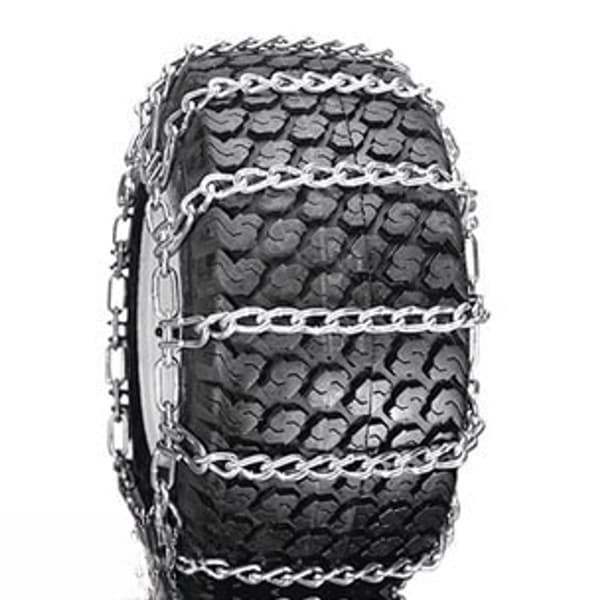
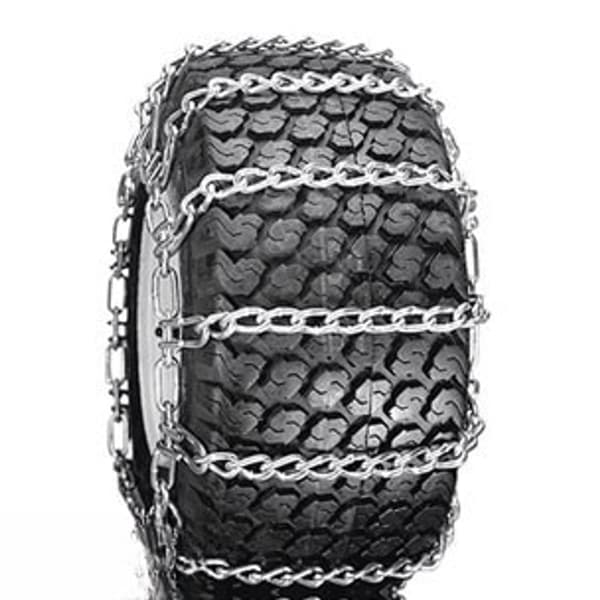
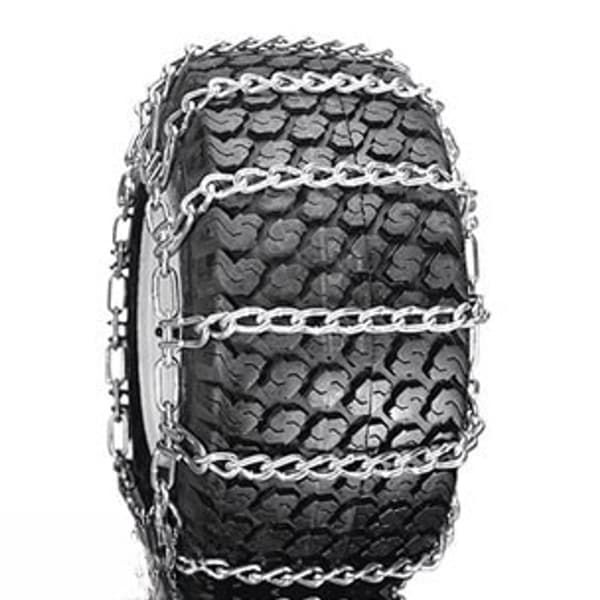
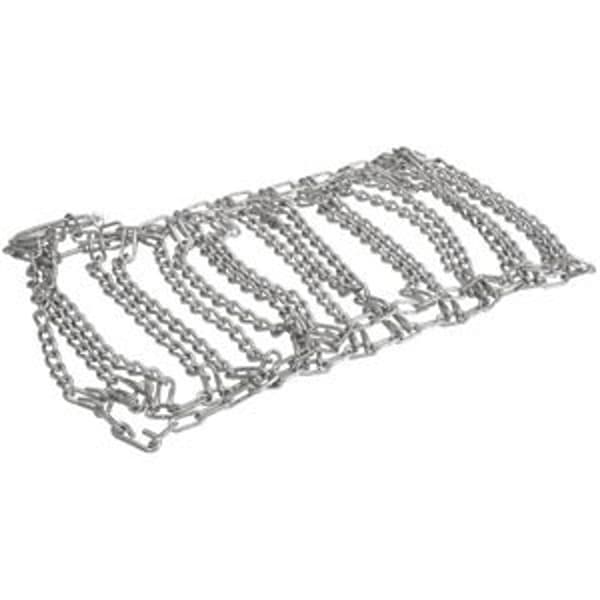
- Ladder Chains: These are the most common type, featuring cross chains connected by side chains. They offer good all-around traction.
- Twisted Link Chains: The cross chains are twisted, providing a slightly more aggressive grip.
- Diamond Pattern Chains: These chains have a diamond-shaped pattern, offering more continuous contact with the ground and smoother ride, however may be overkill for a riding mower and harder to install.
Tools and Materials Needed for Installation
Before you begin, gather the following tools and materials:
- Riding Mower Tire Chains (correct size)
- Gloves
- Pliers (optional, for tightening chain fasteners)
- Rubber tensioners (highly recommended)
- Wheel chocks
Step-by-Step Installation Guide
Follow these steps to install your riding mower tire chains safely and effectively:
- Safety First: Park your mower on a level surface, engage the parking brake, and remove the key. Chock the wheels to prevent movement.
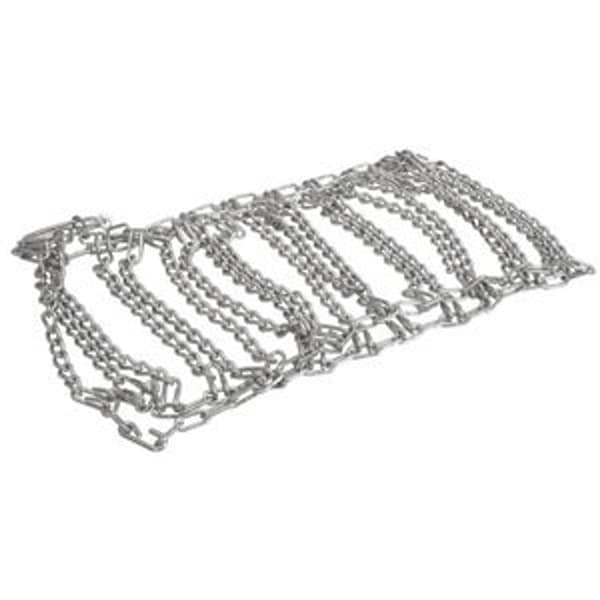
- Prepare the Chains: Lay the chains out on the ground, ensuring they are not tangled. Identify the inside and outside of the chain.
- Drape the Chain Over the Tire: Drape the chain over the tire, ensuring that the cross chains are evenly distributed. The center of the chain should align with the center of the tire tread.
- Connect the Inside Fasteners: Reach behind the tire and connect the fasteners on the inside of the chain. Ensure the connection is secure but not overly tight.
- Connect the Outside Fasteners: Connect the fasteners on the outside of the chain. Again, ensure a secure but not overly tight connection.
- Adjust the Chains: Once the chains are connected, adjust them to ensure a snug fit. The chains should not be too loose, as this can cause them to slip or damage the mower.
- Use Rubber Tensioners: Attach rubber tensioners to the chains to further tighten them and prevent them from slipping. These tensioners typically have multiple hooks that attach to the chain links.
- Test the Chains: Before operating the mower, test the chains by driving it slowly in a safe area. Listen for any unusual noises and check for any signs of slippage. Readjust the chains as needed.
Safety Warning: Never operate your mower at high speeds with tire chains installed. Excessive speed can cause the chains to break or damage the mower.
Maintenance and Care
Proper maintenance will extend the life of your tire chains:
- Inspect Regularly: Check your chains regularly for signs of wear or damage, such as broken links or worn fasteners. Replace any damaged chains immediately.
- Clean After Use: After each use, clean the chains with water to remove any dirt or debris.
- Store Properly: Store the chains in a dry place to prevent rust and corrosion.
Troubleshooting Common Issues
- Chains Slipping: If the chains are slipping, they may be too loose. Tighten the chains and/or use rubber tensioners to improve the fit.
- Chains Breaking: Broken chains are usually caused by excessive speed or overloading. Reduce speed and avoid operating the mower on excessively rough terrain.
- Chain Rubbing Against Mower: This indicates insufficient tire clearance. Double-check the tire size and chain size to ensure compatibility. If necessary, consider using smaller chains or adding spacers to the wheels.
Brands We Carry
Madison Tractor Company carries a wide range of parts and accessories for all major riding mower brands, including John Deere, Craftsman, Cub Cadet, Husqvarna, Toro, Ariens, Murray, Hustler, Scag, Exmark, Ferris, Snapper, Simplicity, and Dixie Chopper. Whether you need replacement belts, blades, spindles, pulleys, filters, spark plugs, bearings, or even shear pins, we have you covered. If you are looking to upgrade your comfort while working in the cold, consider a new riding mower seat.
Conclusion
With the right riding mower tire chains and proper installation, you can keep your mower working hard throughout the winter. Remember to prioritize safety and follow the instructions in this guide. For optimal lawn health, consider purchasing a mower mulching kit for use during the off season.
If you have any questions or need assistance selecting the correct tire chains for your mower, don't hesitate to contact the experts at Madison Tractor Company.
Shop Parts at Madison Tractor Company
Ready to equip your riding mower for winter? Browse our extensive selection of tire chains and other essential parts and accessories at Madison Tractor Company. We offer competitive prices, fast shipping, and exceptional customer service. Visit our website or contact us today to find the perfect parts for your machine. Whether you are looking for a new riding mower bagger or a new zero turn bagger we have you covered. You can also use our AI-Powered Part Finder to search for parts by your specific make and model.
Part of our comprehensive guide
Mower Accessories Guide: Seats, Baggers, Mulch Kits & More