








Mower Blade Balancer: Magnetic & Wall-Mount Options
A mower blade balancer is essential for maintaining a smooth, vibration-free cut. This guide covers the types of balancers available, how to use them, and why they're critical for lawn mower maintenance.
Maintaining your lawn mower blades is essential for a healthy lawn and a smooth mowing experience. An unbalanced blade causes vibration, premature wear on your mower's spindle bearings, and an uneven cut. That's where a mower blade balancer comes in. Choosing the right balancer ensures your blades are perfectly balanced, extending the life of your mower and improving the quality of your cut.
Recommended Parts for This Guide
10 parts we recommend — in stock, ships fast, one-click add to cart.
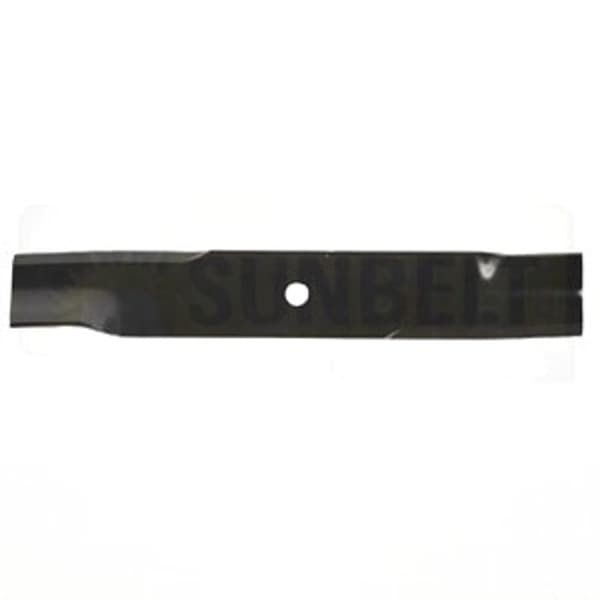
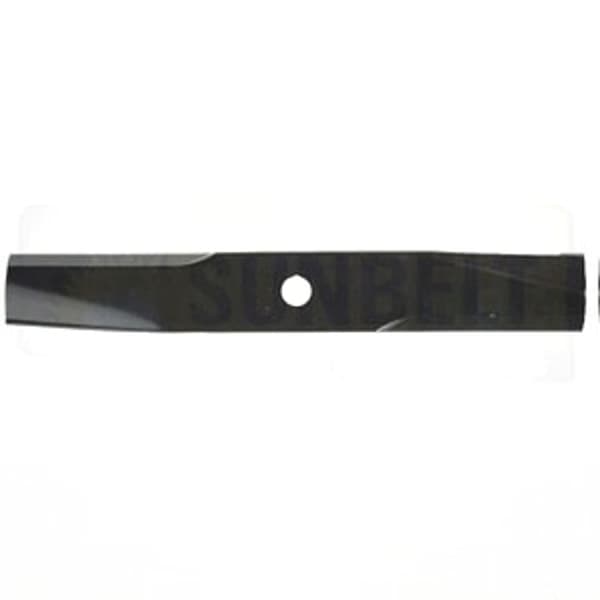
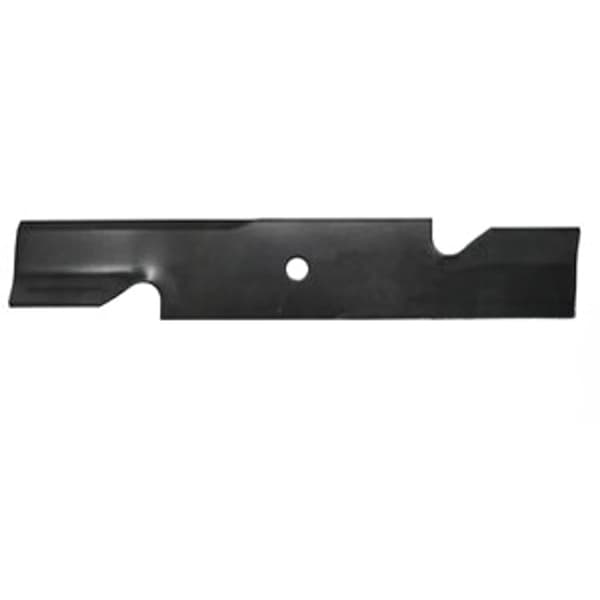
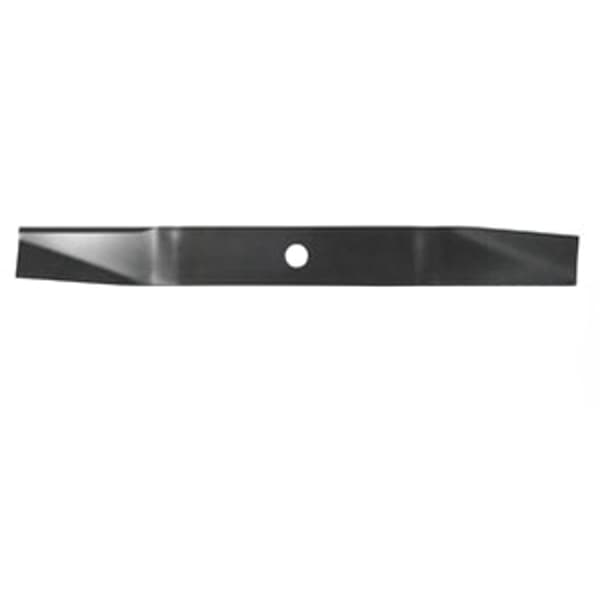
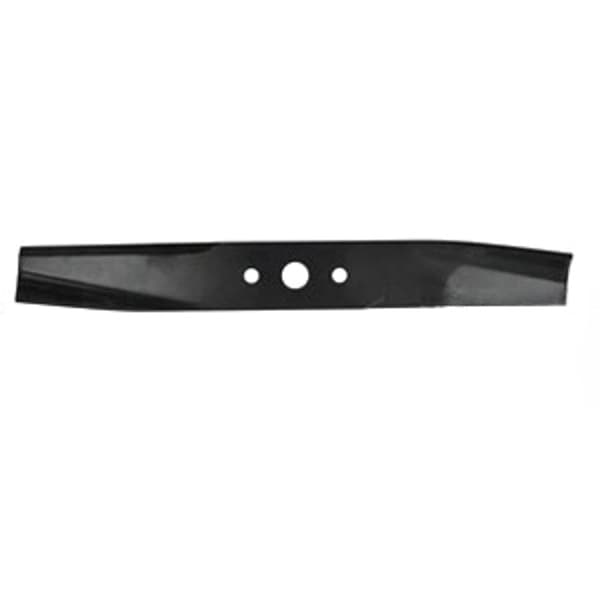
🔍 Looking for a specific part? Try our AI Part Finder — tell it your equipment and what you need, and it will find matching parts instantly.
Types of Mower Blade Balancers
There are primarily two types of mower blade balancers:
- Magnetic Balancers: These use magnets to hold the blade in place, allowing it to swing freely. The heavier side will naturally drop, indicating the imbalance.
- Wall-Mount Balancers: These are typically metal rods or cones mounted on a wall or other vertical surface. The blade is placed on the rod, and again, the heavier side will drop.
Magnetic Mower Blade Balancers
Magnetic balancers are generally more compact and portable, making them a popular choice for homeowners and mobile mechanics. They're easy to store and can be used virtually anywhere. Many magnetic balancers work with a variety of blade sizes and shapes, accommodating blades from riding mowers, zero-turn mowers, and even smaller walk-behind mowers.
Pros:
- Portable and easy to store
- Affordable
- Easy to use
- Versatile (works with most blade sizes)
Cons:
- Can be less precise than wall-mount balancers, especially with larger or heavier blades
- May be affected by external magnetic fields if used near other metal objects
Wall-Mount Mower Blade Balancers
Wall-mount balancers offer greater stability and are often considered more precise, especially for larger, heavier blades found on riding mowers and zero-turn mowers. Because they are fixed in place, they minimize external influences and provide a more consistent reading.
Pros:
- More stable and precise
- Better suited for larger, heavier blades
- Less susceptible to external influences
Cons:
- Less portable
- Requires permanent mounting space
- Generally more expensive
Choosing the Right Balancer for Your Needs
The best type of mower blade balancer for you depends on your specific needs and the types of mowers you own.
Consider these factors:
- Blade Size and Weight: If you primarily work with smaller walk-behind mowers, a magnetic balancer may suffice. For larger riding mowers, zero turns, or commercial equipment, a wall-mount balancer provides better accuracy.
- Portability: If you need to balance blades in different locations, a magnetic balancer is the clear choice.
- Budget: Magnetic balancers are generally more affordable.
- Space: Wall-mount balancers require a dedicated mounting space.
How to Use a Mower Blade Balancer
Using a mower blade balancer is a straightforward process. Here's a general guide:
- Safety First: Always wear gloves when handling mower blades. They are sharp and can cause serious injury.
- Clean the Blade: Remove any grass clippings or debris from the blade. This ensures accurate balancing. A wire brush can be helpful for this.
- Mount the Blade:
- Magnetic Balancer: Place the blade on the magnetic post, ensuring it's centered.
- Wall-Mount Balancer: Place the blade on the rod or cone, again ensuring it's centered.
- Observe the Balance: Allow the blade to swing freely. The heavier side will drop to the bottom.
- Grind or File the Heavy Side: Carefully grind or file a small amount of metal from the heavier side of the blade. Be sure to remove material evenly to maintain the blade's shape. A bench grinder works well for this.
- Re-Balance: Repeat steps 3-5 until the blade remains horizontal in any position. This indicates a balanced blade.
Important Note: When grinding or filing blades, wear appropriate eye protection. Avoid overheating the blade, which can weaken the metal. Sharpen the blade after balancing it, maintaining the original cutting angle.
Why is Blade Balancing Important?
Balancing your mower blades is crucial for several reasons:
- Reduces Vibration: An unbalanced blade causes excessive vibration, which can be uncomfortable for the operator and damaging to the mower.
- Extends Spindle Bearing Life: Vibration puts extra stress on the spindle bearings, leading to premature wear and failure. Replacing spindle bearings can be a significant repair cost. We carry a wide variety of spindle bearings for mowers like John Deere, Cub Cadet, and Toro riding mowers, as well as brands like Exmark and Scag for zero-turn mowers.
- Improves Cut Quality: A balanced blade provides a more even and consistent cut, resulting in a healthier and more attractive lawn.
- Reduces Fuel Consumption: An unbalanced blade requires the engine to work harder, increasing fuel consumption.
- Enhances Safety: Excessive vibration can loosen bolts and other components, increasing the risk of mechanical failure and potential injury.
Maintaining Your Mower Beyond Blade Balancing
Balancing your mower blades is just one aspect of maintaining your lawn mower. Regular maintenance is essential for keeping your mower running smoothly and extending its lifespan. Other important maintenance tasks include:
- Sharpening Blades: Dull blades tear the grass rather than cutting it cleanly, leading to browning and increased susceptibility to disease. Sharpen your blades regularly, or replace them with new ones if they are damaged beyond repair. Madison Tractor carries a huge selection of replacement mower blades for various models including Craftsman, Husqvarna, Ariens, Murray and many others.
- Changing the Oil: Regular oil changes keep your engine lubricated and prevent wear. Check your owner's manual for recommended oil change intervals.
- Replacing Air Filters: A clean air filter ensures proper airflow to the engine, improving performance and fuel efficiency. We carry replacement air filters for nearly every mower brand!
- Replacing Spark Plugs: Spark plugs ignite the fuel-air mixture in the engine. Replace them regularly to ensure optimal performance.
- Checking Belts and Pulleys: Inspect belts and pulleys for wear and tear. Replace them as needed to prevent breakdowns. Belts are common wear items on mowers and snowblowers.
- Greasing Fittings: Grease all grease fittings regularly to lubricate moving parts.
- Cleaning the Mower Deck: Remove grass clippings and debris from the mower deck after each use to prevent corrosion.
And don't forget about comfort! Consider upgrading your riding mower seat or zero turn mower seat for a more enjoyable mowing experience. A riding mower bagger or zero turn bagger can also help keep your lawn looking pristine by collecting grass clippings.
For those looking to improve their mowing, a mower mulching kit is an excellent choice.
Safety First!
Always disconnect the spark plug wire before performing any maintenance on your lawn mower. This prevents accidental starting and potential injury.
Wear safety glasses when sharpening or grinding blades. Metal filings can cause serious eye injury.
Use caution when handling gasoline. Gasoline is flammable and explosive. Store gasoline in a approved container and away from heat and open flames.
If you are not comfortable performing maintenance on your lawn mower, take it to a qualified service technician.
Shop Lawn Mower Parts at Madison Tractor
At Madison Tractor Company, we have everything you need to keep your lawn mower running smoothly. From mower blade balancers and replacement blades to belts, spindles, and filters, we have the parts you need for all major brands, including John Deere, Craftsman, Cub Cadet, Husqvarna, Toro, Ariens, Murray, Hustler, Scag, Exmark, Ferris, Snapper, Simplicity, and Dixie Chopper.
Browse our extensive online catalog today and find the parts you need to keep your lawn looking its best. Shop Lawn Mower Parts Now! You can also use our AI-Powered Part Finder to search for parts by your specific make and model.
Part of our comprehensive guide
Mower Accessories Guide: Seats, Baggers, Mulch Kits & More