








Small Engine Fuel Filter: Inline & In-Tank Styles
A clean fuel filter is essential for peak small engine performance. Learn about inline and in-tank fuel filters, how to replace them, and how to keep your engine running smoothly.
A clean fuel filter is a critical component in maintaining the performance and longevity of your small engine. Whether you're dealing with a lawnmower, snow blower, or other outdoor power equipment, a clogged or dirty fuel filter can lead to poor performance, hard starting, or even engine damage. This guide will explain the different types of small engine fuel filters, how to identify when they need replacing, and how to replace them on your equipment.
Recommended Parts for This Guide
10 parts we recommend — in stock, ships fast, one-click add to cart.
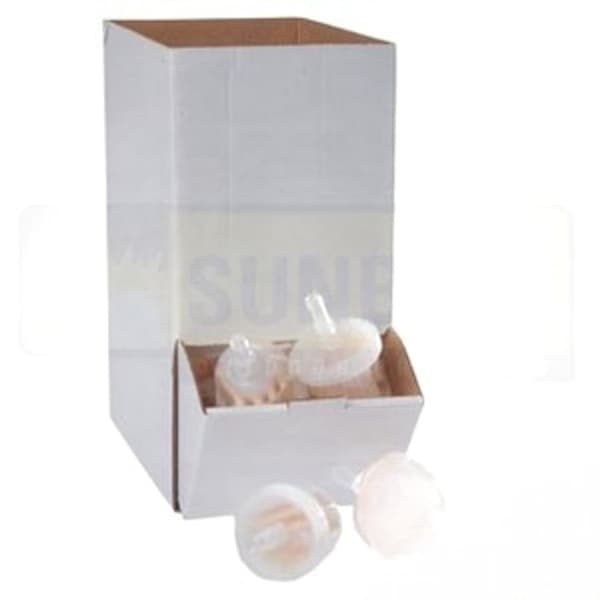
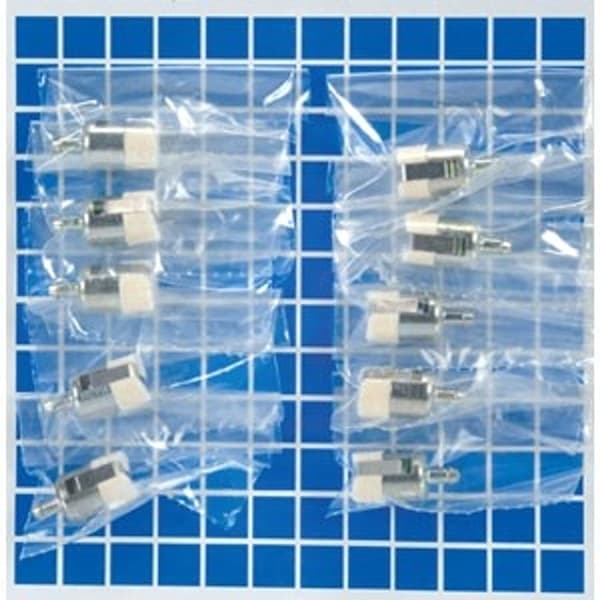
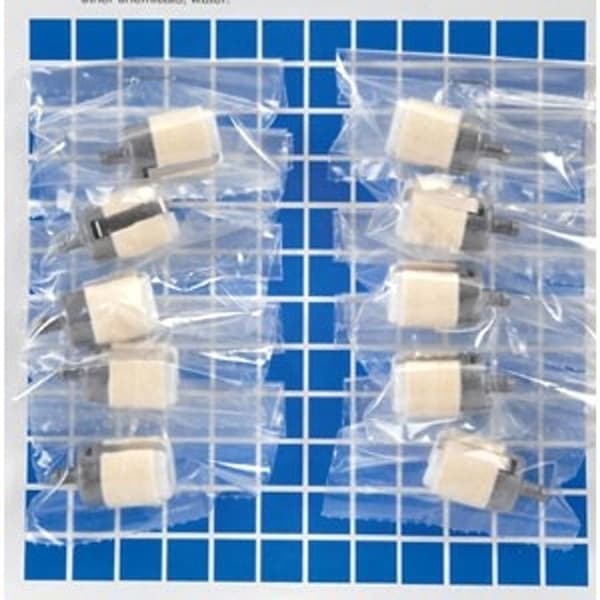
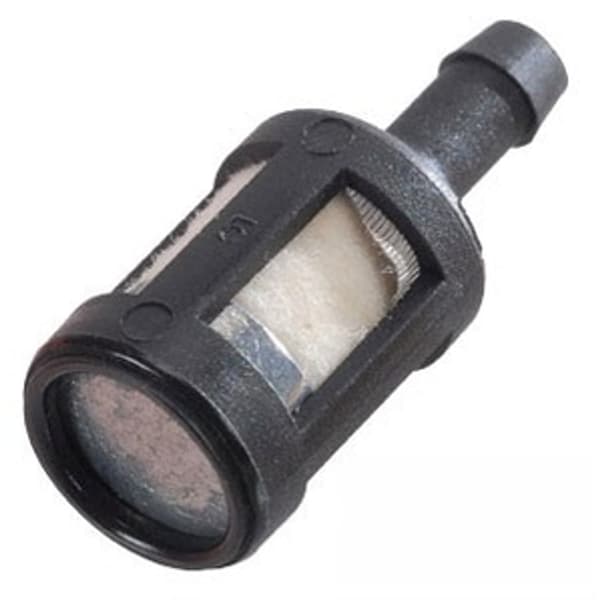
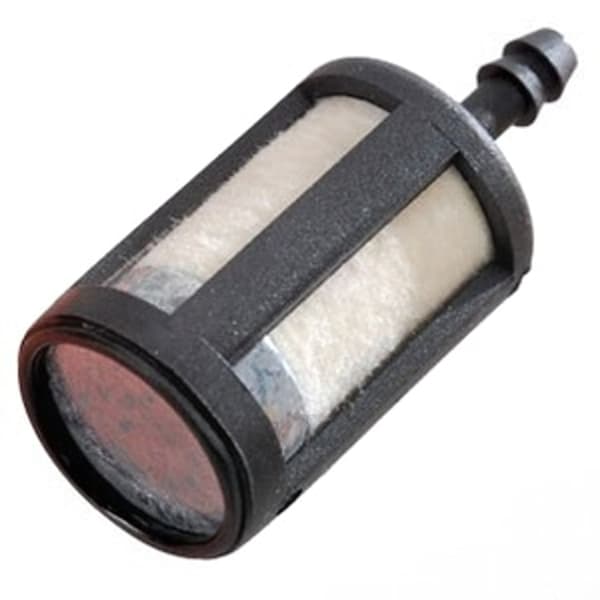
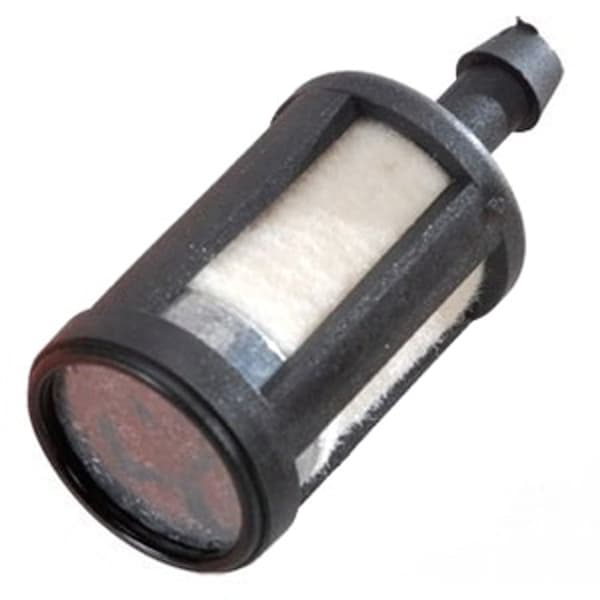
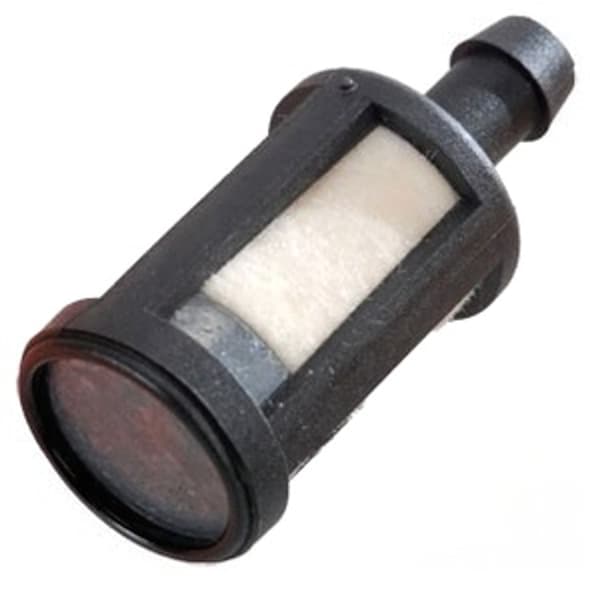
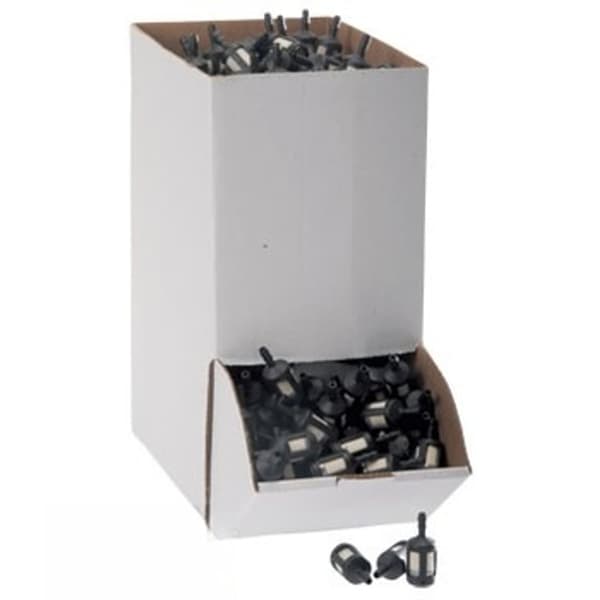
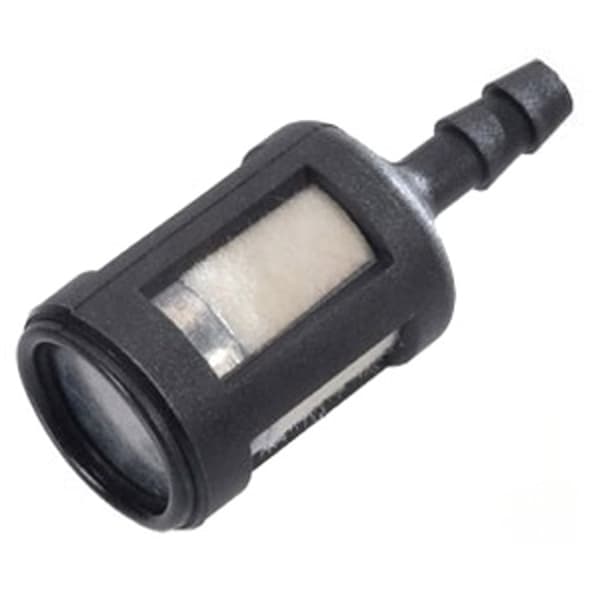
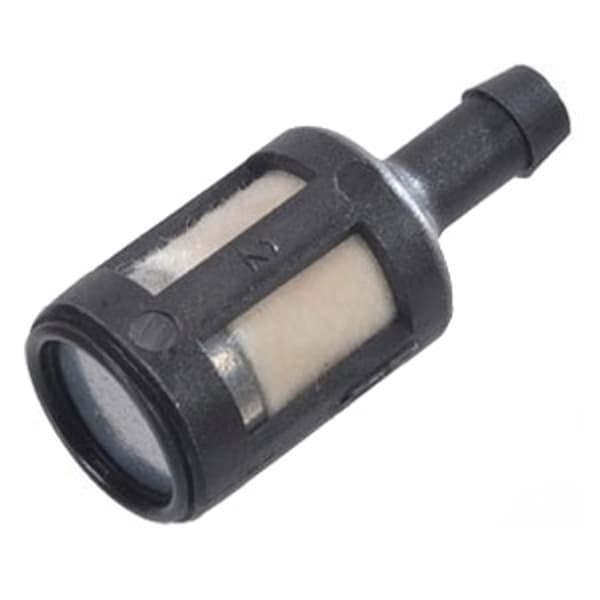
🔍 Looking for a specific part? Try our AI Part Finder — tell it your equipment and what you need, and it will find matching parts instantly.
Types of Small Engine Fuel Filters
There are two primary types of fuel filters commonly found in small engines:
- Inline Fuel Filters: These filters are located within the fuel line, typically between the fuel tank and the carburetor. They are usually made of a clear plastic or metal housing with a replaceable filter element inside. You'll find these frequently on equipment from brands like John Deere, Craftsman, Cub Cadet, and Husqvarna.
- In-Tank Fuel Filters: These filters are located inside the fuel tank, often attached to the fuel pickup tube. They are usually a mesh or screen-type filter designed to prevent large particles from entering the fuel system. Toro, Ariens, Murray, and similar brands often utilize this type.
When to Replace Your small engine fuel filter
Several signs indicate it's time to replace your small engine fuel filter:
- Engine Hesitation or Stalling: A clogged filter restricts fuel flow, causing the engine to hesitate during acceleration or stall completely, especially under load.
- Hard Starting: If your engine is difficult to start, even after priming, a dirty fuel filter could be the culprit.
- Reduced Engine Power: A lack of sufficient fuel can lead to a noticeable decrease in engine power and performance.
- Visually Dirty Filter: If you can see dirt, debris, or sediment inside a clear inline fuel filter, it's definitely time for a replacement.
- Rough Idling: A dirty fuel filter can cause the engine to idle unevenly or roughly.
As a general rule, it's good practice to replace your small engine fuel filter at least once a year, or more frequently if you operate your equipment in dusty or dirty conditions. Refer to your equipment's owner's manual for specific recommendations.
Remember that maintaining other filters, like your John Deere air filter or Briggs & Stratton oil filter, is also crucial for optimal engine performance. A comprehensive approach to filter maintenance will ensure your equipment runs reliably for years to come. Don't forget to also check your Briggs & Stratton air filter regularly.
Replacing an Inline Fuel Filter: Step-by-Step
Replacing an inline fuel filter is a straightforward process. Here's a step-by-step guide:
- Safety First! Disconnect the spark plug wire to prevent accidental starting.
- Gather Supplies: You'll need a new fuel filter (make sure it's the correct one for your engine!), fuel line clamps (optional, but recommended), a small container to catch spilled fuel, and pliers.
- Locate the Fuel Filter: Trace the fuel line from the fuel tank to the carburetor. The inline fuel filter will be located somewhere along this line.
- Close the Fuel Shut-Off Valve (If Applicable): Some engines have a fuel shut-off valve near the fuel tank. Close it to minimize fuel spillage.
- Disconnect the Fuel Lines: Carefully slide the fuel line clamps away from the filter. Gently twist and pull the fuel lines off the filter nipples. Have your container ready to catch any spilled fuel.
- Note the Filter's Orientation: Pay attention to the direction of fuel flow through the filter. Most inline filters have an arrow indicating the correct flow direction. Install the new filter with the arrow pointing in the same direction.
- Install the New Filter: Push the fuel lines onto the filter nipples until they are securely seated. Slide the fuel line clamps back into place, ensuring they are clamping the fuel lines onto the filter nipples.
- Open the Fuel Shut-Off Valve (If Applicable): If you closed the fuel shut-off valve, open it now.
- Reconnect the Spark Plug Wire: Reconnect the spark plug wire.
- Start the Engine: Start the engine and check for any fuel leaks around the filter connections.
Safety Warning: Gasoline is flammable. Work in a well-ventilated area, away from open flames or sparks. Properly dispose of any spilled fuel or contaminated rags.
Replacing an In-Tank Fuel Filter: Step-by-Step
Replacing an in-tank fuel filter requires a slightly different approach:
- Safety First! Disconnect the spark plug wire.
- Drain the Fuel Tank: Use a siphon or fuel pump to drain the fuel tank completely. This is essential to prevent fuel spillage and makes the job much easier.
- Access the Fuel Tank: Depending on your equipment, you may need to remove a panel or cover to access the fuel tank.
- Locate the Fuel Pickup Tube: The fuel pickup tube is the tube that draws fuel from the bottom of the tank. It's usually connected to a fuel line that leads to the carburetor.
- Remove the Fuel Pickup Tube: Carefully remove the fuel pickup tube from the tank. The filter will be attached to the end of the tube inside the tank.
- Remove the Old Filter: The filter may be press-fit onto the pickup tube. Gently twist and pull to remove it. Note its orientation for proper installation of the new filter.
- Install the New Filter: Push the new filter onto the fuel pickup tube until it is securely seated.
- Reinstall the Fuel Pickup Tube: Carefully reinstall the fuel pickup tube into the tank. Ensure it is properly seated and that the fuel line is securely connected.
- Refill the Fuel Tank: Refill the fuel tank with fresh fuel.
- Reconnect the Spark Plug Wire: Reconnect the spark plug wire.
- Start the Engine: Start the engine and check for any fuel leaks.
Tip: While you have the fuel tank empty, inspect it for any signs of rust or debris. Clean the tank thoroughly if necessary.
Fuel Filter Maintenance Tips
- Use Fresh Fuel: Old or stale fuel can contribute to filter clogging. Use fresh, high-quality fuel and add a fuel stabilizer to prevent fuel degradation during storage.
- Store Fuel Properly: Store fuel in approved containers in a cool, dry place. Avoid storing fuel in direct sunlight or extreme temperatures.
- Inspect Fuel Lines: Regularly inspect your fuel lines for cracks, leaks, or damage. Replace them as needed.
- Clean the Fuel Tank: Periodically clean your fuel tank to remove any sediment or debris that may accumulate over time.
Proper maintenance of your small engine fuel filter, along with other maintenance tasks such as replacing your Kohler air filter, Kawasaki engine oil filter, or checking your Craftsman mower air filter, will help ensure your equipment runs reliably and efficiently for years to come. Don't neglect other vital parts either; belts, blades, spindles, pulleys, filters, spark plugs, bearings, and shear pins all contribute to the functionality of your machine.
Whether you own a Hustler, Scag, Exmark, Ferris, Snapper, Simplicity, or Dixie Chopper mower, these fuel filter guidelines are applicable. Knowing how to maintain and replace your Kohler oil filter cross reference is also essential to know.
Shop Small Engine Fuel Filters at Madison Tractor
Need a new fuel filter for your small engine? Madison Tractor Company has a wide selection of high-quality fuel filters for all major brands, including John Deere, Craftsman, Briggs & Stratton, Kohler, and more. Browse our online store today and find the perfect fuel filter to keep your equipment running smoothly. We also carry a full range of other small engine parts, including belts, blades, fuel filters, and spark plugs. Shop John Deere riding mower parts, and more, all in one place! You can also use our AI-Powered Part Finder to search for parts by your specific make and model.
Part of our comprehensive guide
Small Engine Filter Guide: Air, Oil & Fuel Filters by Engine Brand