








John Deere Fuel Filter: Mower & Tractor Inline Filters
A clean John Deere fuel filter is crucial for engine performance. This guide covers identifying the right filter for your mower or tractor and provides step-by-step instructions for replacement.
Maintaining a John Deere mower or tractor requires regular maintenance, and one of the most crucial tasks is replacing the fuel filter. A clogged or dirty fuel filter restricts fuel flow, leading to poor engine performance, starting problems, and potentially even engine damage. This guide will help you understand the importance of John Deere fuel filters, how to identify the correct one for your machine, and provide a step-by-step guide on replacing it. Remember, at Madison Tractor Company, we stock a wide range of parts, including John Deere fuel filters, to keep your equipment running smoothly.
Recommended Parts for This Guide
10 parts we recommend — in stock, ships fast, one-click add to cart.
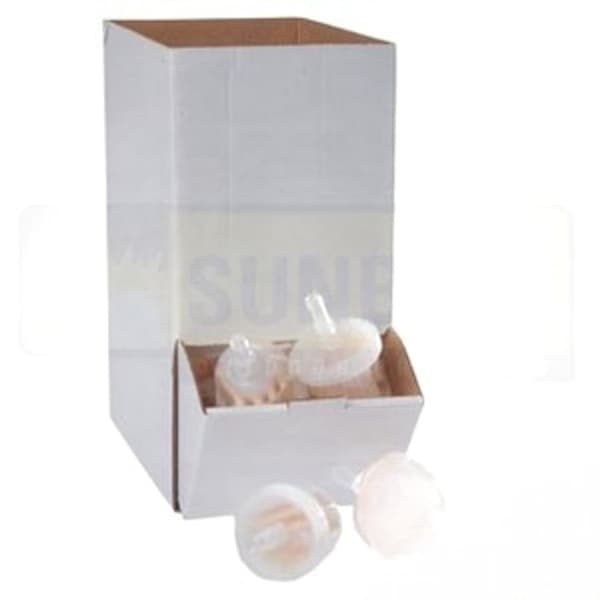
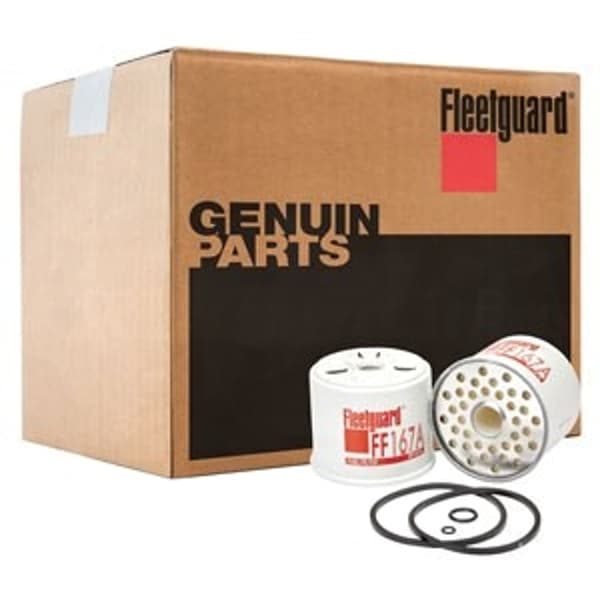
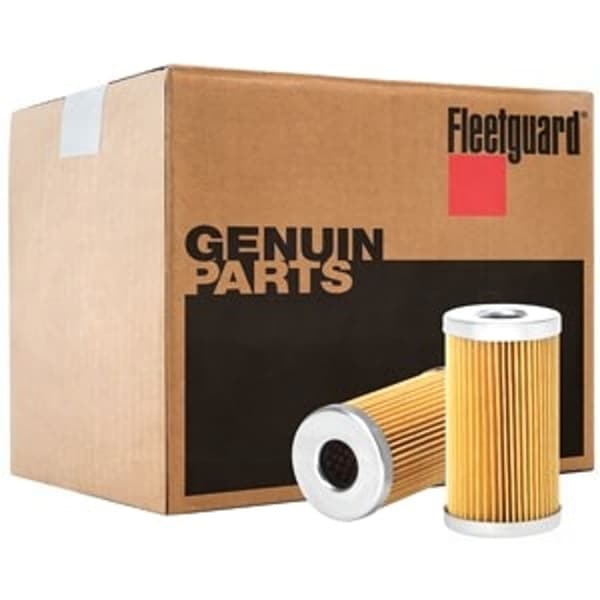
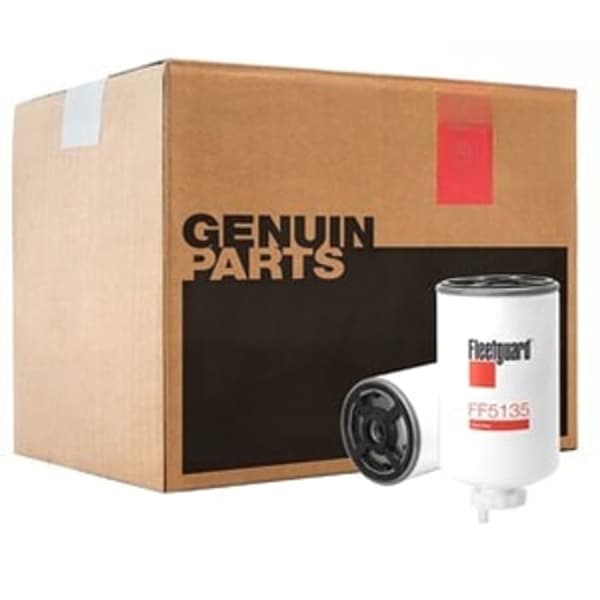
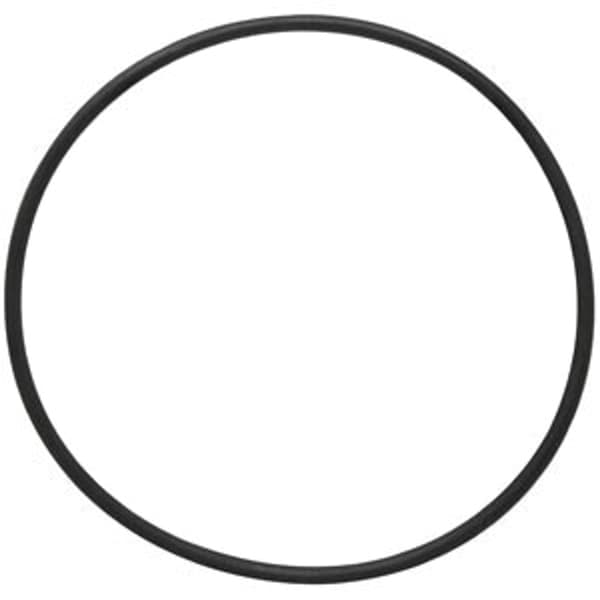
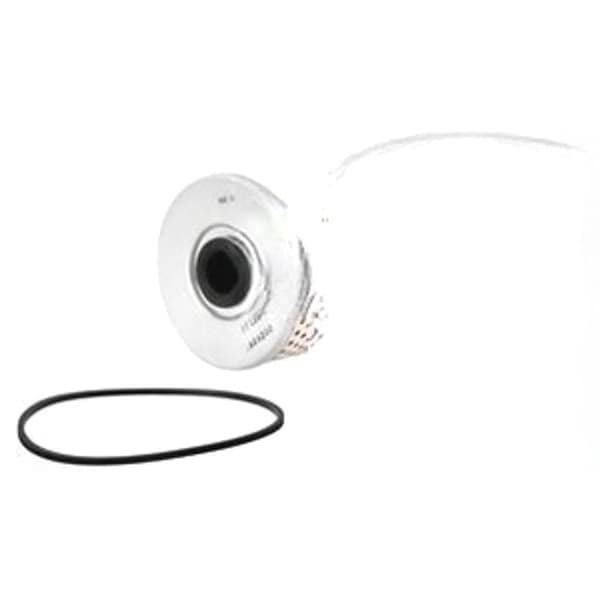
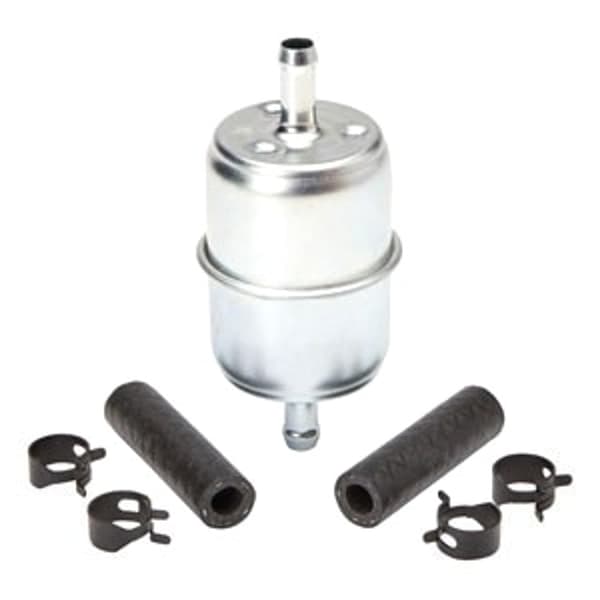
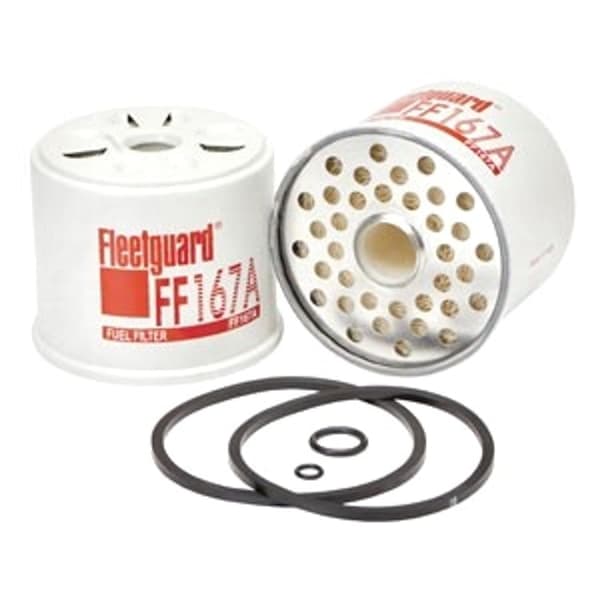
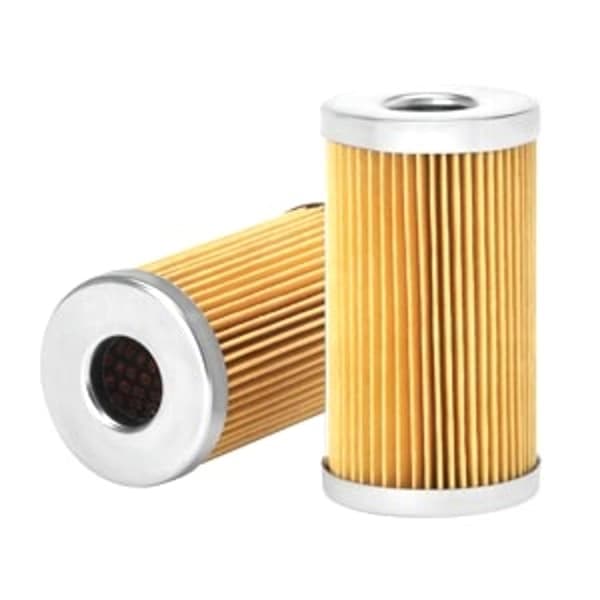
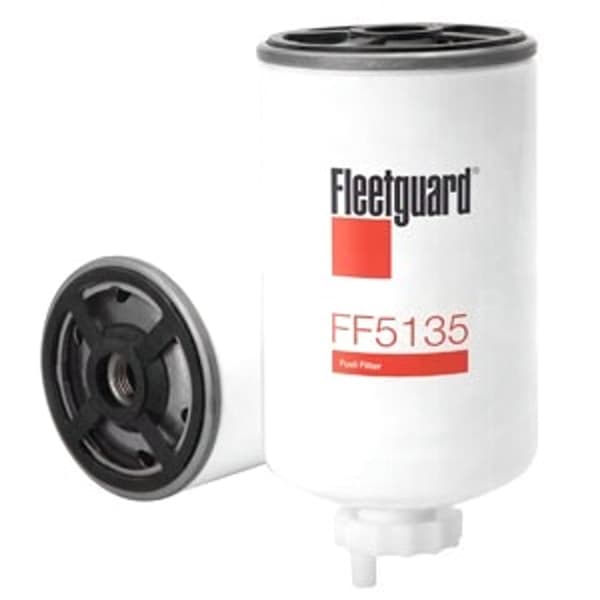
🔍 Looking for a specific part? Try our AI Part Finder — tell it your equipment and what you need, and it will find matching parts instantly.
Why is a Clean John Deere Fuel Filter Important?
The fuel filter plays a vital role in protecting your engine by removing contaminants from the fuel before it reaches the carburetor or fuel injectors. These contaminants can include dirt, rust, debris from the fuel tank, and even water. Here's why a clean fuel filter is essential:
- Prevents Engine Damage: Debris in the fuel can cause wear and tear on engine components, leading to costly repairs.
- Ensures Optimal Performance: A clean filter allows for proper fuel flow, ensuring the engine runs smoothly and efficiently.
- Improves Fuel Economy: Restricted fuel flow forces the engine to work harder, reducing fuel efficiency.
- Extends Engine Life: By preventing damage and ensuring proper operation, a clean fuel filter contributes to a longer engine lifespan.
Like other filters, such as the John Deere air filter and Kohler oil filter cross reference guide, the fuel filter is a key component in your mower's overall health.
Types of John Deere Fuel Filters
John Deere uses several types of fuel filters depending on the model and year of your machine. Here are some common types:
- Inline Fuel Filters: These are the most common type, typically found in the fuel line between the fuel tank and the carburetor or fuel pump. They are usually cylindrical and made of plastic or metal.
- Spin-On Fuel Filters: Similar to oil filters, these filters screw onto a fitting on the engine. They are more common in larger tractors and some diesel engines. Many of these, or other housing-type filters, utilize a replaceable fuel filter element rather than replacing the entire unit. When servicing element-type filters, you may also need a new O-Ring for the fuel filter housing or a replacement fuel filter cover.
- Fuel Filter/Water Separators: These filters are designed to remove both contaminants and water from the fuel. They are often found on diesel engines.
Finding the Right John Deere Fuel Filter
The easiest way to find the correct John Deere fuel filter for your specific model is to:
- Consult Your Owner's Manual: The owner's manual will list the recommended fuel filter part number.
- Use the John Deere Parts Catalog: The online John Deere parts catalog allows you to search by model number to find the correct parts.
- Check the Existing Filter: The part number is often printed on the filter itself.
- Contact Madison Tractor Company: Our knowledgeable parts experts can help you identify the correct fuel filter for your machine. We carry a wide selection of filters for various brands including John Deere, Craftsman, Cub Cadet, Husqvarna, Toro, Ariens, Murray, Hustler, Scag, Exmark, Ferris, Snapper, Simplicity, and Dixie Chopper.
When searching for your filter, be specific with your model number. A Craftsman Mower Air Filter will be different than a John Deere fuel filter, so accuracy is key.
How to Replace a John Deere Inline Fuel Filter
This section provides a general guide for replacing an inline fuel filter. Always consult your owner's manual for specific instructions for your model.
Safety First!
- Work in a well-ventilated area. Gasoline fumes are flammable and can be harmful to breathe.
- Disconnect the spark plug wire. This prevents the engine from accidentally starting.
- Wear safety glasses and gloves. Gasoline can irritate skin and eyes.
- Have a fire extinguisher nearby.
Tools You'll Need:
- New John Deere fuel filter (correct part number)
- Fuel line clamps or pliers
- Rag or container to catch spilled fuel
- Screwdriver (if needed for hose clamps)
Steps:
- Locate the Fuel Filter: The fuel filter is typically located in the fuel line between the fuel tank and the carburetor or fuel pump.
- Close the Fuel Shut-Off Valve (if equipped): Some models have a fuel shut-off valve near the fuel tank. Close this valve to prevent fuel from flowing.
- Position a Rag or Container: Place a rag or container under the fuel filter to catch any spilled fuel.
- Loosen the Hose Clamps: Use fuel line clamps or pliers to loosen the hose clamps on either side of the fuel filter. If your mower uses spring clamps, use pliers to compress them.
- Remove the Old Fuel Filter: Carefully disconnect the fuel lines from the old filter. Be prepared for some fuel to spill.
- Install the New Fuel Filter: Connect the fuel lines to the new fuel filter, making sure the filter is oriented correctly. Most inline filters have an arrow indicating the direction of fuel flow. Ensure the arrow points toward the engine.
- Secure the Hose Clamps: Tighten the hose clamps to secure the fuel lines to the new filter.
- Open the Fuel Shut-Off Valve (if closed): If you closed the fuel shut-off valve, open it now.
- Check for Leaks: Start the engine and check for any fuel leaks around the filter and fuel lines. If you find any leaks, tighten the hose clamps further.
Important Notes:
- Some fuel lines may be difficult to remove. Use a fuel line removal tool if necessary.
- Dispose of the old fuel filter and any spilled fuel properly.
- If you are uncomfortable performing this task yourself, consult a qualified mechanic.
Fuel Filter Replacement Interval
The recommended fuel filter replacement interval varies depending on the model and operating conditions. However, a general guideline is to replace the fuel filter every 100-200 hours of operation or at least once a year. More frequent replacement may be necessary if you operate your equipment in dusty or dirty conditions, or if you notice signs of fuel filter blockage, such as:
- Difficulty starting the engine
- Rough running or stalling
- Reduced engine power
- Poor fuel economy
Keeping up with filter maintenance is just as crucial for your Briggs & Stratton air filter and other filters. Remember that regular maintenance is key to keeping your equipment running smoothly and reliably for years to come.
Troubleshooting Fuel Filter Issues
If you're experiencing engine problems, the fuel filter is a good place to start your troubleshooting. Here are some common issues:
- Clogged Fuel Filter: This is the most common problem. Replace the filter as described above.
- Air Leaks: Air leaks in the fuel line can cause starting problems and rough running. Check the fuel lines and connections for cracks or loose clamps.
- Fuel Pump Failure: If the fuel filter is clean and the fuel lines are in good condition, the fuel pump may be failing.
Shop John Deere Fuel Filters at Madison Tractor Company
At Madison Tractor Company, we understand the importance of keeping your outdoor power equipment running its best. That's why we offer a wide selection of high-quality John Deere fuel filters and other parts, including belts, blades, spindles, pulleys, filters, spark plugs, bearings, and shear pins. Whether you need a filter for your John Deere tractor, a Briggs & Stratton oil filter for your riding mower, or a simple replacement blade, we have the parts you need at competitive prices. Shop our online store today and keep your equipment in top condition!
🔍 Can't Find Your Part?
Use our AI-Powered Part Finder to search by your equipment's make, model, and what you need. It's the fastest way to find the exact part for your machine.
Try the Part Finder →Part of our comprehensive guide
Small Engine Filter Guide: Air, Oil & Fuel Filters by Engine Brand