








Fuel Stabilizer for Mowers: Best Options & Usage Guide
Fuel stabilizer is essential for maintaining your mower's engine, especially during the off-season. This guide explains how to choose the right fuel stabilizer, use it effectively, and prevent costly repairs.
Introduction to Fuel Stabilizer for Mowers
Modern gasoline, especially gasoline containing ethanol, can degrade quickly, causing problems for small engines like those in your lawn mower, snow blower, or other outdoor power equipment. Ethanol attracts water, which can lead to corrosion, fuel line blockages, and poor engine performance. Using a fuel stabilizer for mower engines is a simple and effective way to prevent these issues and ensure your equipment starts reliably every time. At Madison Tractor Company, we know how frustrating it is to deal with engine problems caused by bad fuel, and we're here to help you choose the right fuel stabilizer and use it correctly.
Recommended Parts for This Guide
8 parts we recommend — in stock, ships fast, one-click add to cart.
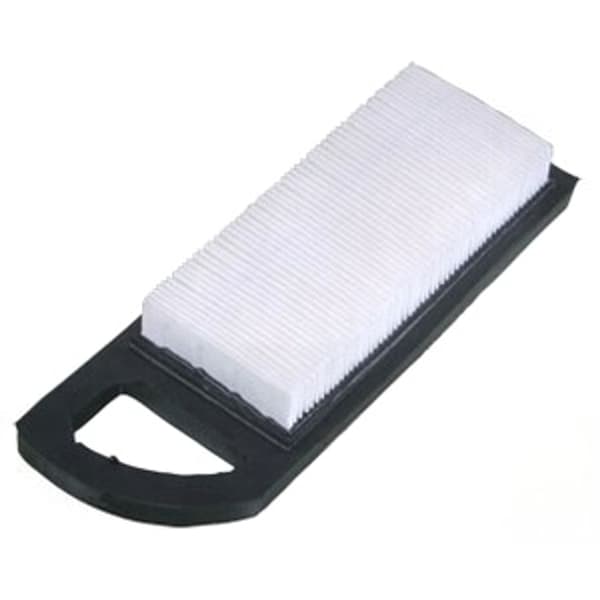
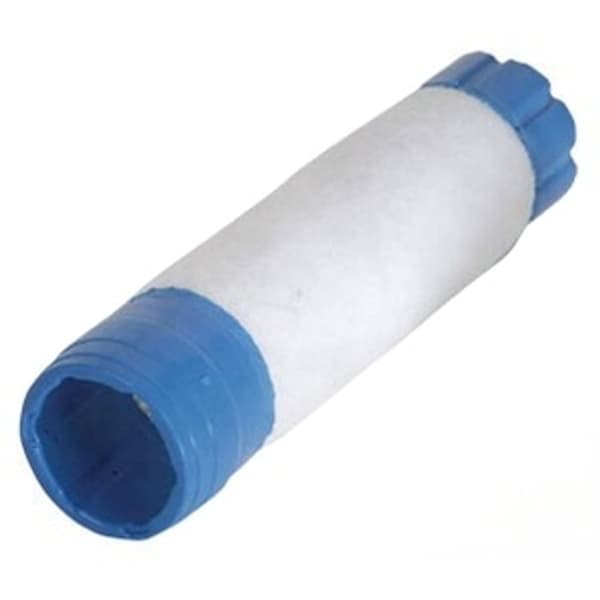
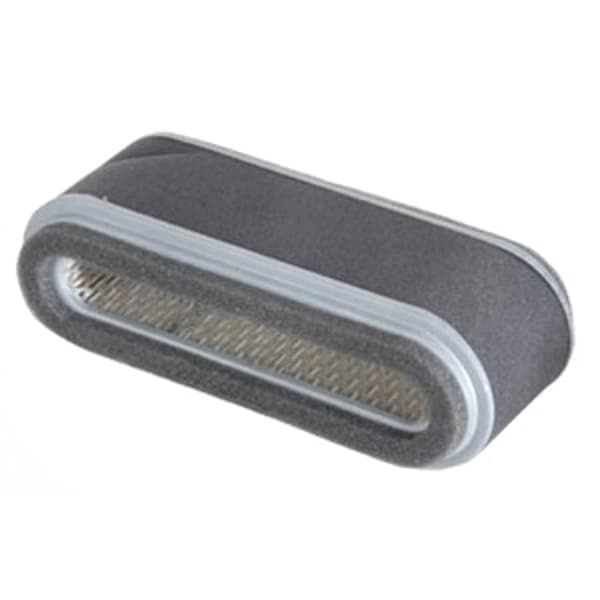
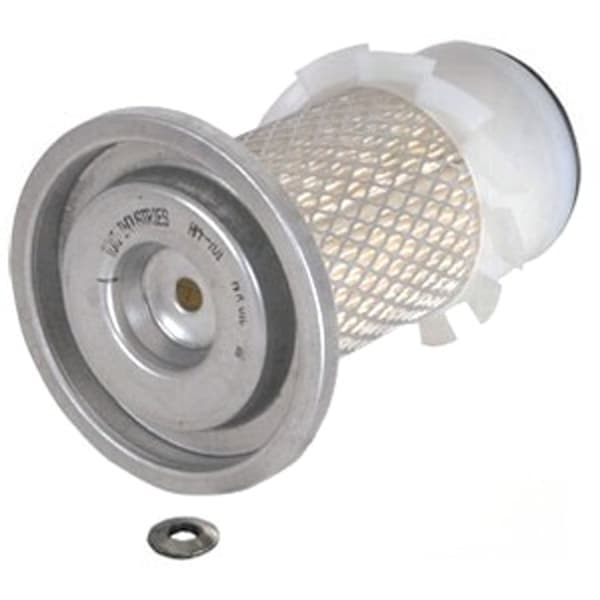
🔍 Looking for a specific part? Try our AI Part Finder — tell it your equipment and what you need, and it will find matching parts instantly.
This article will cover everything you need to know about fuel stabilizers, including:
- Why you need fuel stabilizer
- The best fuel stabilizers on the market
- How to use fuel stabilizer properly
- Troubleshooting fuel-related engine problems
Remember to check your John Deere air filter and other filters regularly as part of your mower maintenance routine.
Why You Need Fuel Stabilizer
Gasoline, especially E10 (gasoline with 10% ethanol), is prone to degradation. Here’s why using a fuel stabilizer is crucial:
- Ethanol Issues: Ethanol attracts moisture, leading to phase separation. This means the ethanol and water separate from the gasoline, creating a corrosive mixture that can damage your fuel system.
- Gum and Varnish Buildup: As gasoline degrades, it forms gum and varnish deposits that can clog fuel lines, carburetors, and fuel injectors.
- Reduced Octane: Over time, gasoline loses its octane rating, which can lead to poor engine performance and potential damage.
- Starting Problems: Degraded fuel can make your engine difficult or impossible to start, especially after sitting for extended periods.
Fuel stabilizer prevents these problems by slowing down the degradation process, protecting your fuel system, and ensuring your engine starts smoothly.
Choosing the Best Fuel Stabilizer
There are many fuel stabilizers available, but not all are created equal. Here are some of the best options for your mower and other small engines:
- STA-BIL Storage Fuel Stabilizer: A popular and widely trusted option, STA-BIL Storage is designed to protect fuel for up to 24 months. It’s effective at preventing gum and varnish buildup and protecting against corrosion.
- STA-BIL 360 Protection: This formula offers comprehensive protection against ethanol damage, corrosion, and fuel degradation. It’s suitable for all types of gasoline, including E10 and E85.
- Sea Foam Motor Treatment: Sea Foam is a versatile product that not only stabilizes fuel but also cleans fuel injectors, carburetors, and intake valves. It can also help remove existing deposits from your fuel system.
- Lucas Oil Fuel Stabilizer: Lucas Oil Fuel Stabilizer is another excellent option, providing protection against fuel degradation and corrosion. It also helps to keep fuel injectors clean and improve engine performance.
When choosing a fuel stabilizer, consider the following factors:
- Ethanol Protection: If you use gasoline with ethanol, choose a fuel stabilizer specifically formulated to protect against ethanol-related problems.
- Storage Duration: Consider how long you plan to store your equipment. Some fuel stabilizers offer longer protection than others.
- Additional Benefits: Some fuel stabilizers offer additional benefits, such as cleaning fuel injectors or improving engine performance.
Remember, maintaining your mower involves more than just fuel. Check your Briggs & Stratton air filter, Kohler oil filter, and other components regularly for optimal performance.
How to Use Fuel Stabilizer Effectively
Using fuel stabilizer is easy, but it’s important to follow the instructions carefully to ensure optimal protection. Here’s a step-by-step guide:
- Determine the Correct Dosage: Read the fuel stabilizer label carefully to determine the correct dosage for your fuel tank capacity. Most fuel stabilizers require about 1 ounce per 2.5 gallons of gasoline.
- Add Fuel Stabilizer to the Fuel Tank: Pour the correct amount of fuel stabilizer directly into your mower’s fuel tank.
- Fill the Fuel Tank with Fresh Gasoline: Fill the remainder of the fuel tank with fresh gasoline. This helps to mix the fuel stabilizer with the gasoline and ensures it reaches all parts of the fuel system.
- Run the Engine: Start the engine and let it run for several minutes to circulate the stabilized fuel throughout the fuel system.
Important Tips:
- Stabilize Fuel Before Storage: Add fuel stabilizer to your fuel tank before storing your mower or other equipment for the off-season.
- Use Fresh Gasoline: Always use fresh gasoline when adding fuel stabilizer. Old or stale gasoline may not mix well with the stabilizer and could still cause problems.
- Follow Manufacturer's Instructions: Always follow the manufacturer's instructions for the specific fuel stabilizer you are using.
Fuel Stabilizer for Common Mower Brands
No matter what brand of mower you own, fuel stabilizer is beneficial. Here's how it helps some common brands we support at Madison Tractor Company:
- John Deere: Protect your investment by preventing fuel-related issues in your John Deere mower or tractor.
- Craftsman: Ensure reliable starts and smooth operation for your Craftsman mower, even after periods of storage. Don't forget to check your Craftsman mower air filter too.
- Cub Cadet: Keep your Cub Cadet running at its best by preventing fuel degradation and gum buildup.
- Husqvarna: Maintain optimal performance and longevity for your Husqvarna mower with regular fuel stabilization.
- Toro: Prevent costly repairs and ensure reliable starts for your Toro mower with proper fuel stabilizer usage.
- Ariens: Stabilize the fuel in your Ariens snow blower to ensure it's ready to start when you need it most.
- Murray, Hustler, Scag, Exmark, Ferris, Snapper, Simplicity, Dixie Chopper: Regardless of your mower brand, using fuel stabilizer is a smart preventative measure.
Troubleshooting Fuel-Related Engine Problems
Even with proper fuel stabilization, you may occasionally experience fuel-related engine problems. Here are some common issues and how to troubleshoot them:
- Engine Won't Start: If your engine won’t start, the first thing to check is the fuel. Make sure there’s fuel in the tank, and that it is fresh. If the fuel is old or smells bad, drain the tank and replace it with fresh gasoline and fuel stabilizer. Also, inspect your spark plug – a fouled plug won’t allow the engine to start.
- Poor Engine Performance: If your engine is running poorly, such as sputtering or lacking power, it could be due to a clogged fuel filter or carburetor. Replace the fuel filter and clean the carburetor or fuel injectors if necessary.
- Fuel Leaks: Check for fuel leaks around the fuel tank, fuel lines, and carburetor. If you find any leaks, replace the damaged parts immediately.
Safety Warning: Always disconnect the spark plug wire before working on any part of the fuel system. Gasoline is highly flammable, so work in a well-ventilated area and avoid sparks or open flames.
Remember to check your fuel filters regularly and replace them as needed.
Other Important Maintenance Tips
In addition to using fuel stabilizer, regular maintenance is essential for keeping your mower in top condition. Here are some other important maintenance tasks:
- Change the Oil: Change the oil and oil filter regularly, following the manufacturer's recommendations. See also our guide to Briggs & Stratton oil filters, Kawasaki engine oil filters.
- Clean or Replace the Air Filter: Clean or replace the air filter regularly to ensure proper airflow to the engine. Read also: Kohler air filter and Kawasaki engine air filter
- Sharpen or Replace the Blades: Sharpen or replace the mower blades regularly to ensure a clean, even cut.
- Inspect Belts and Pulleys: Inspect the belts and pulleys for wear and tear, and replace them as needed.
- Check Spark Plugs: Inspect the spark plugs and replace them if they are fouled or worn.
By following these maintenance tips, you can extend the life of your mower and keep it running smoothly for years to come. Madison Tractor Company carries a wide selection of parts for all major mower brands, including belts, blades, spindles, pulleys, filters, spark plugs, bearings, and shear pins.
Shop Mower Parts at Madison Tractor
At Madison Tractor Company, we’re committed to providing you with the highest quality parts and expert advice to keep your outdoor power equipment running smoothly. Whether you need a new fuel filter, air filter, oil filter, or any other part, we have you covered. Shop our extensive selection of parts for John Deere, Craftsman, Cub Cadet, Husqvarna, Toro, Ariens, Murray, Hustler, Scag, Exmark, Ferris, Snapper, Simplicity, and Dixie Chopper mowers. Browse our website today and experience the Madison Tractor difference! You can also use our AI-Powered Part Finder to search for parts by your specific make and model.
Part of our comprehensive guide
Small Engine Filter Guide: Air, Oil & Fuel Filters by Engine Brand