








Mower Blade Buying Guide: Find the Right Blades for Your Mower
Choosing the right replacement mower blades can significantly impact your lawn's health and appearance. This comprehensive guide covers everything you need to know, from blade types to finding the perfect fit for your mower.
Introduction: Choosing the Right Replacement Mower Blades
Your lawn mower's blades are its workhorses, responsible for giving your grass that clean, even cut. Over time, these blades become dull, bent, or damaged from hitting rocks, roots, or other debris. Using dull blades tears the grass instead of cutting it cleanly, leading to browning, disease, and an overall unhealthy lawn. That's where replacement mower blades come in. But with so many options available, how do you choose the right ones? This guide will walk you through everything you need to know to find the perfect replacement mower blades for your machine, whether it's a John Deere, Craftsman, Husqvarna, or any other brand.
Recommended Parts for This Guide
10 parts we recommend — in stock, ships fast, one-click add to cart.
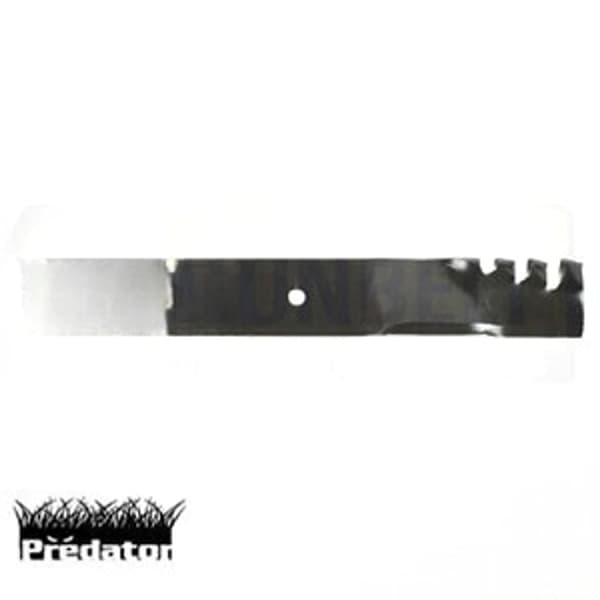
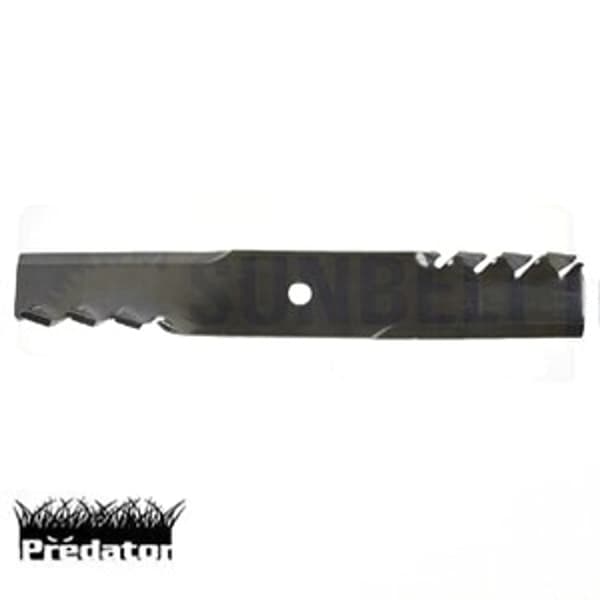
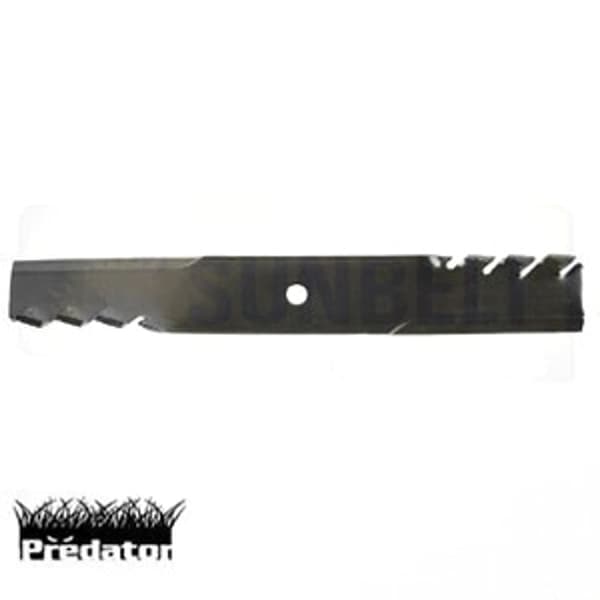
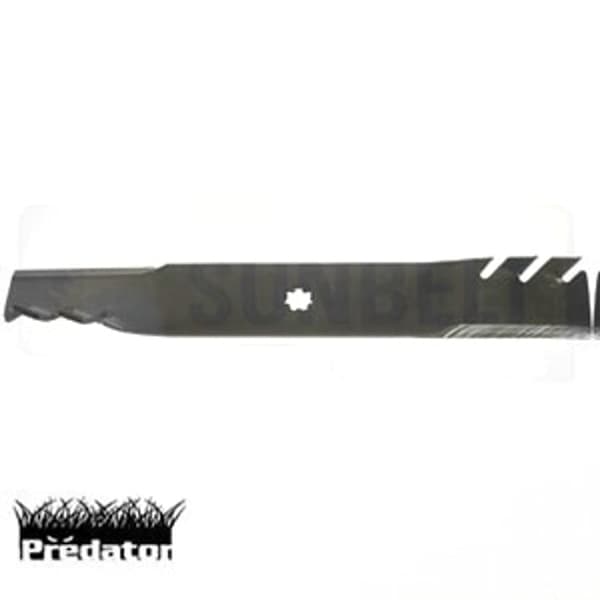
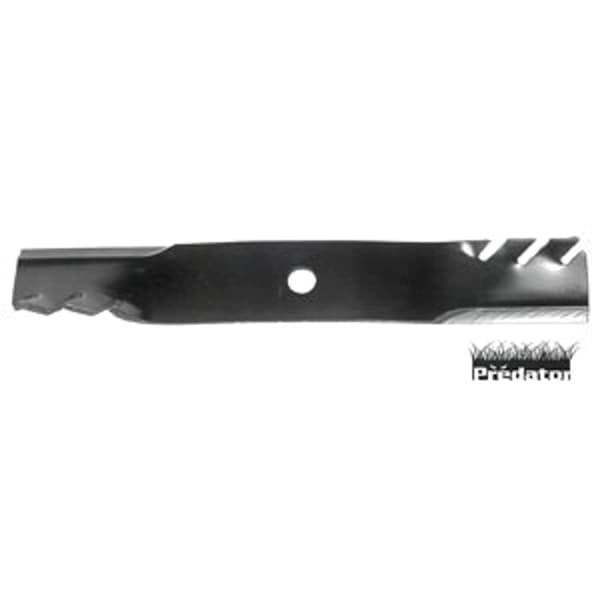
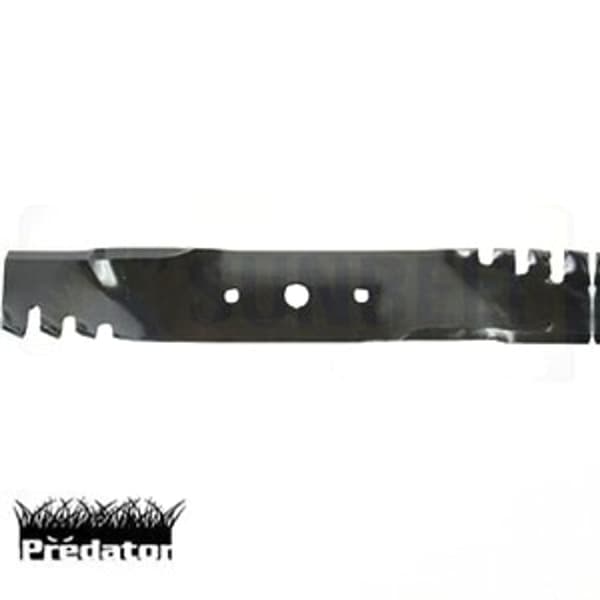
🔍 Looking for a specific part? Try our AI Part Finder — tell it your equipment and what you need, and it will find matching parts instantly.
Why Sharp Mower Blades Are Crucial
Sharp blades aren't just about aesthetics; they're vital for the health of your lawn. Here's why:
- Clean Cut: Sharp blades slice through grass cleanly, allowing it to heal quickly.
- Disease Prevention: A clean cut minimizes the risk of fungal diseases and pest infestations.
- Healthier Lawn: Cleanly cut grass retains moisture better and promotes healthy growth.
- Reduced Mower Stress: Sharp blades require less engine power, reducing wear and tear on your mower.
- Better Mulching: Sharp mulching blades create finer clippings that decompose faster, returning nutrients to the soil.
Types of Mower Blades Explained
There are several types of mower blades, each designed for specific cutting actions. Understanding the differences is key to choosing the right ones for your needs.
Standard or High-Lift Blades
These blades have a curved design that creates suction, lifting the grass for a cleaner cut and efficiently discharging clippings. They are the most common type and are suitable for general lawn mowing.
Mulching Blades
Mulching blades have a more aggressive, curved surface and multiple cutting edges. They chop grass clippings into fine pieces and force them back into the lawn as fertilizer. This is great for enriching your lawn naturally.
Low-Lift Blades
Low-lift blades have a minimal curve and generate less suction. They are ideal for sandy conditions, as they reduce the amount of dust and debris kicked up during mowing. They're also good for mowers with less powerful engines.
Gator Blades (or 3-in-1 Blades)
Gator blades are a hybrid design that combines the features of high-lift and Mulching blades. They offer good cutting performance, mulching capabilities, and discharge efficiency.
Measuring Your Mower Blade Size
Before buying replacement mower blades, you need to know the correct size. Here’s how to measure:
- Safety First: Disconnect the spark plug wire to prevent accidental starting. Wear gloves to protect your hands.
- Remove the Blade: Carefully remove the existing blade using a wrench or socket.
- Measure the Length: Use a measuring tape to measure the blade's length from tip to tip along the longest point.
- Measure the Center Hole: Use calipers or a ruler to measure the diameter of the center hole.
- Note the Shape of the Center Hole: Pay attention to the shape of the center hole (e.g., round, star, pentagon). This is critical for proper fitment.
Safety Warning: Always wear gloves and disconnect the spark plug before working on your mower blades.
Finding the Right Replacement Mower Blades
Once you know the blade size and type you need, it's time to find the right replacements. Here's how:
Consult Your Owner's Manual
Your mower's owner's manual is the best source for recommended blade specifications, including length, center hole shape, and part numbers. It also provides diagrams and instructions for safe blade replacement.
Check the Existing Blade
Many blades have the part number stamped directly on them. If you can find the part number, you can easily search for direct replacements.
Use Online Parts Finders
Online parts finders, like the one on our website, allow you to search for blades based on your mower's make, model, and deck size. Enter your information, and the tool will provide a list of compatible blades. Be sure to double-check the specifications to ensure a proper fit.
Consider Aftermarket Options
Aftermarket blades can be a cost-effective alternative to OEM (Original Equipment Manufacturer) blades. Look for reputable brands that offer high-quality blades made from durable materials. Ensure the aftermarket blades meet or exceed the specifications of the OEM blades.
Mower Blades by Brand: Quick Guides
Madison Tractor Company carries a wide range of mower blades from top brands. Here's a quick guide to finding the right blades for your specific mower:
john deere mower blades
John Deere offers a variety of blades for their riding mowers, zero-turn mowers, and walk-behind mowers. Be sure to check your model number to find the correct blade length and center hole shape. Refer to our article: John Deere Mower Blades: OEM Part Numbers by Model for specific part numbers and models. We stock genuine John Deere mower blades as well as quality aftermarket alternatives.
Craftsman mower blades
Craftsman mowers are a popular choice for homeowners. We carry a wide selection of Craftsman mower blades, including those for 42-inch decks. See our dedicated guide for specific sizes and part numbers: Craftsman 42-Inch Mower Blades: Sizes & Part Numbers.
cub cadet mower blades
Cub Cadet offers a range of riding mowers and zero-turn mowers with different deck sizes. Our guide, Cub Cadet Mower Blades: All Models & Deck Sizes, helps you find the right Cub Cadet mower blades for your specific model.
husqvarna mower blades
Husqvarna mowers are known for their durability and performance. We stock blades for popular series like YTH, Z254, and TS. Consult our article, Husqvarna Mower Blades: YTH, Z254 & TS Series, for more information on finding the right Husqvarna mower blades. Don't forget to check other parts like belts or filters while you're at it!
toro mower blades
Toro mowers, including the TimeCutter and Titan series, require specific blade types and sizes. Find the correct Toro mower blades for your machine using our guide: Toro Mower Blades: TimeCutter & Titan Part Numbers.
scag mower blades
For commercial-grade mowing, Scag mowers are a top choice. Our guide to Scag Mower Blades: Tiger Cat, Cheetah & V-Ride helps you find the right Scag mower blades for models like the Tiger Cat, Cheetah, and V-Ride.
exmark mower blades
Exmark mowers, known for their professional performance, require precise blade fitment. Our guide, Exmark Mower Blades: Lazer Z & Radius Part Numbers, will help you identify the correct Exmark mower blades for your Lazer Z or Radius mower.
hustler mower blades
Hustler mowers offer a range of options for homeowners and professionals. From the Raptor to the Super Z, finding the correct blade is crucial. Consult our article, Hustler Mower Blades: Raptor, FasTrak & Super Z, to find the perfect Hustler mower blades for your model.
Other Brands
We also carry blades for Ariens, Murray, Ferris, Snapper, Simplicity, and Dixie Chopper mowers. Use our online parts finder or contact our customer service team for assistance in finding the right blades.
Mower Blade Installation: A Step-by-Step Guide
Installing new mower blades is a straightforward process, but safety is paramount. Here’s a step-by-step guide:
- Safety First: Disconnect the spark plug wire. Wear heavy-duty gloves.
- Secure the Mower: Use wheel chocks to prevent the mower from rolling. If you are lifting the mower, use a proper jack and jack stands.
- Remove the Old Blade: Use a wrench or socket to loosen and remove the bolt holding the blade in place. You may need to use a block of wood to prevent the blade from turning. Note the orientation of the blade before removing it.
- Inspect the Spindle: Check the spindle for any damage or wear. Replace the spindle if necessary. You can find replacement mower spindles at Madison Tractor.
- Install the New Blade: Position the new blade with the correct orientation (usually with the curved part facing upwards). Tighten the bolt to the manufacturer's recommended torque specification.
- Reconnect the Spark Plug: Reconnect the spark plug wire.
Safety Warning: Always disconnect the spark plug wire before working on your mower. Wear heavy gloves to protect your hands. Use the correct torque when tightening the blade bolt.
Mower Blade Maintenance Tips
Proper maintenance extends the life of your mower blades and ensures optimal performance:
- Sharpen Regularly: Sharpen your blades every 25 hours of use or at least once a season. A dull blade tears the grass, making it prone to disease.
- Inspect for Damage: Regularly inspect your blades for bends, cracks, or excessive wear. Replace damaged blades immediately.
- Balance Blades: After sharpening, balance the blades to prevent vibration and uneven cutting. An unbalanced blade can damage the mower's spindle bearings.
- Store Properly: Store your mower in a dry place to prevent rust and corrosion.
Don't forget to inspect other parts like bearings, pulleys, and spark plugs during your mower maintenance!
When to Replace Your Mower Blades
Even with regular sharpening, mower blades eventually need replacement. Here are some signs it's time for new blades:
- Excessive Wear: If the blade is significantly worn down or has lost its shape, it's time to replace it.
- Cracks or Bends: Replace any blade that has cracks or bends, as it can be dangerous to use.
- Inability to Sharpen: If the blade is too damaged to be effectively sharpened, it's time for a new one.
- Poor Cutting Performance: If you notice your mower is tearing the grass instead of cutting it cleanly, even after sharpening, it may be time to replace the blades.
Important Safety Precautions
- Always disconnect the spark plug wire before working on your mower.
- Wear heavy-duty gloves to protect your hands.
- Use the correct tools and torque specifications.
- Never operate a mower with damaged or unbalanced blades.
- Store blades safely out of reach of children.
- If your mower uses shear pins, inspect them regularly.
Conclusion: Get the Perfect Cut with Madison Tractor
Choosing the right replacement mower blades is essential for a healthy, beautiful lawn. By understanding the different blade types, measuring your blade size accurately, and following our installation and maintenance tips, you can ensure your mower is always performing at its best.
At Madison Tractor Company, we offer a wide selection of high-quality blades for all major mower brands, including John Deere, Craftsman, Cub Cadet, Husqvarna, Toro, and more. We also carry all the other parts you need to keep your lawn equipment running smoothly, like belts, spindles, pulleys, and filters. Browse our selection today and experience the Madison Tractor difference! You can also use our AI-Powered Part Finder to search for parts by your specific make and model.
Part of our comprehensive guide
Mower Blade Buying Guide: Find the Right Blades for Your Mower