








Dixie Chopper Blades: Classic, Magnum & Silver Eagle
Selecting the right Dixie Chopper blade ensures optimal cutting performance and lawn health. This guide breaks down the differences between Classic, Magnum, and Silver Eagle blades to help you make the right choice.
Choosing the Right Dixie Chopper Blades: Classic, Magnum, & Silver Eagle
Dixie Chopper mowers are known for their robust construction and exceptional cutting performance. To maintain that performance, choosing the correct dixie chopper blades is crucial. This guide will walk you through the key differences between the Classic, Magnum, and Silver Eagle blade types, helping you select the best option for your specific needs.
Recommended Parts for This Guide
10 parts we recommend — in stock, ships fast, one-click add to cart.
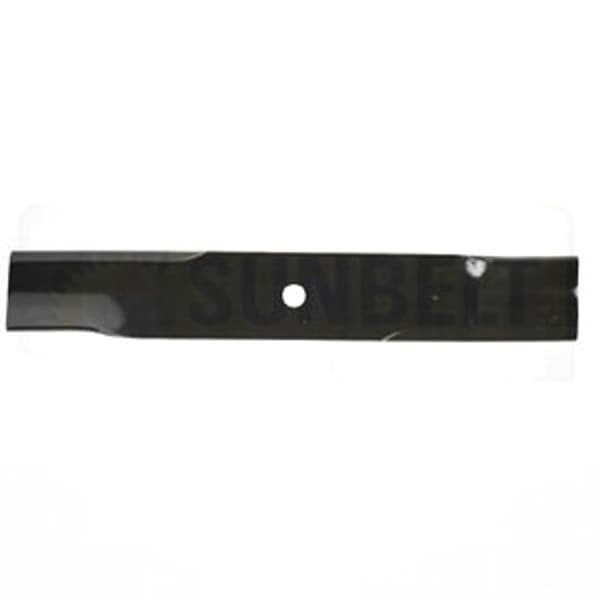
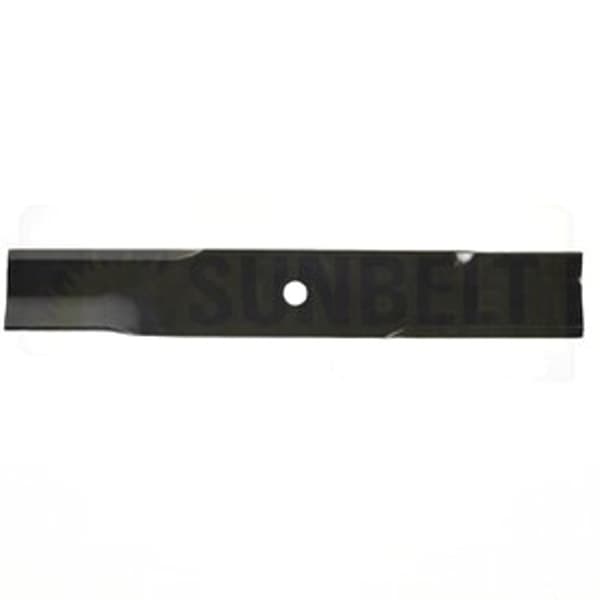
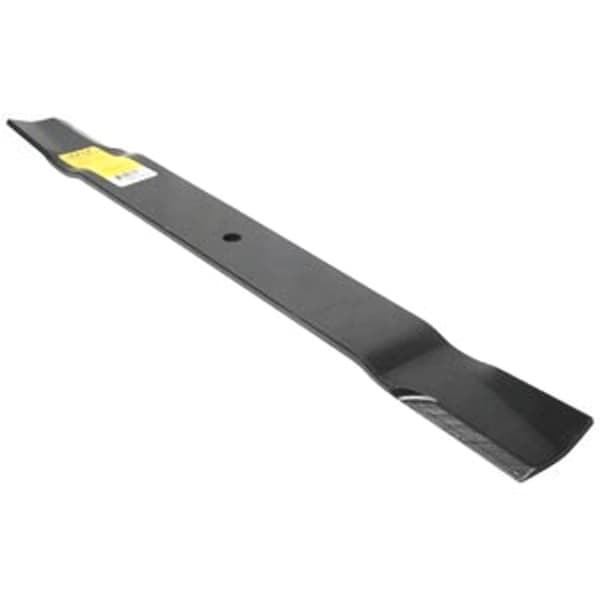
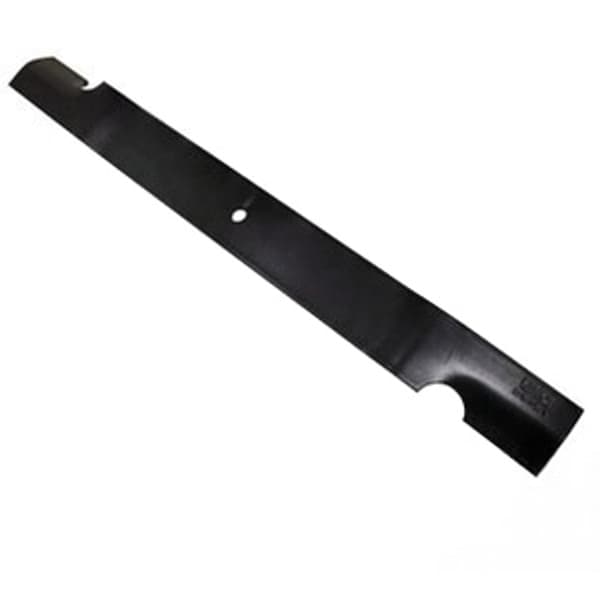
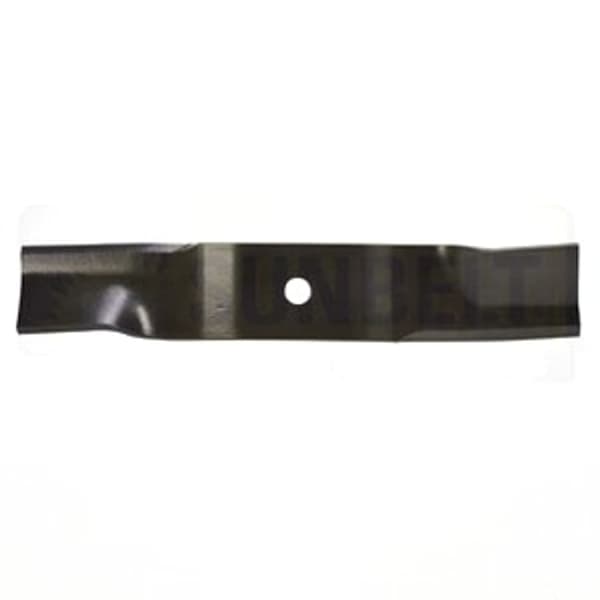
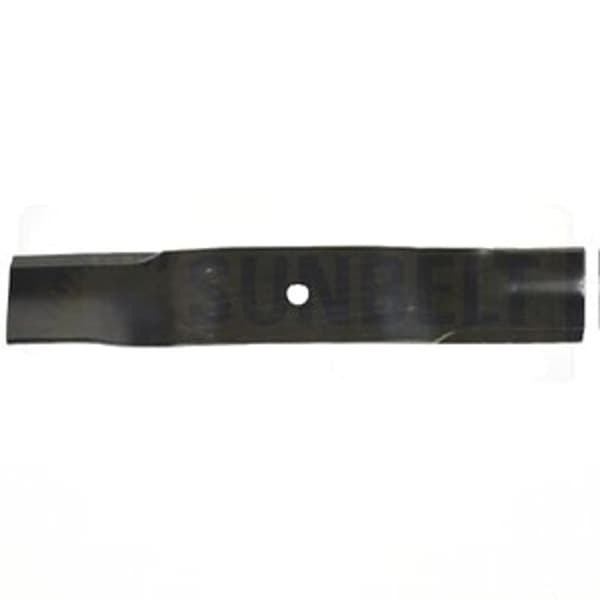
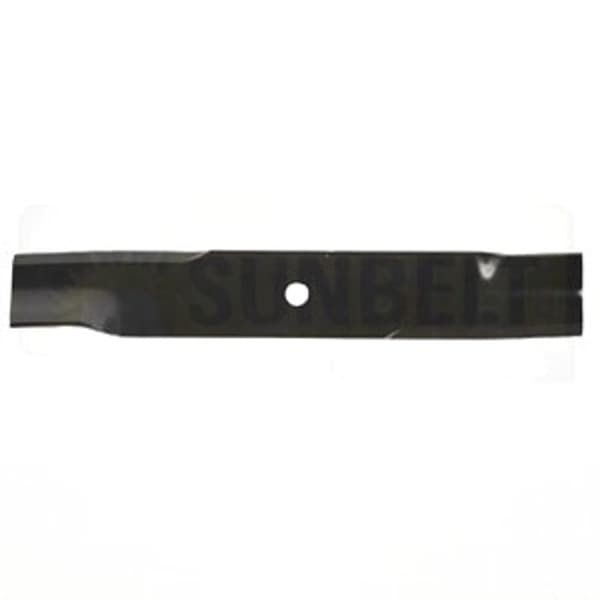
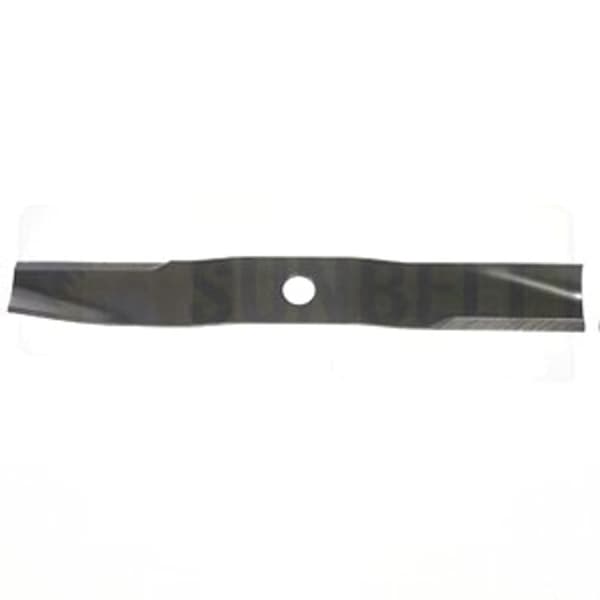
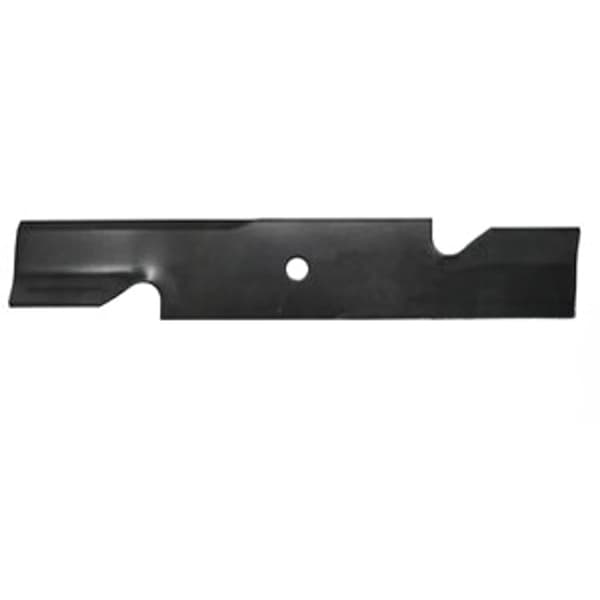
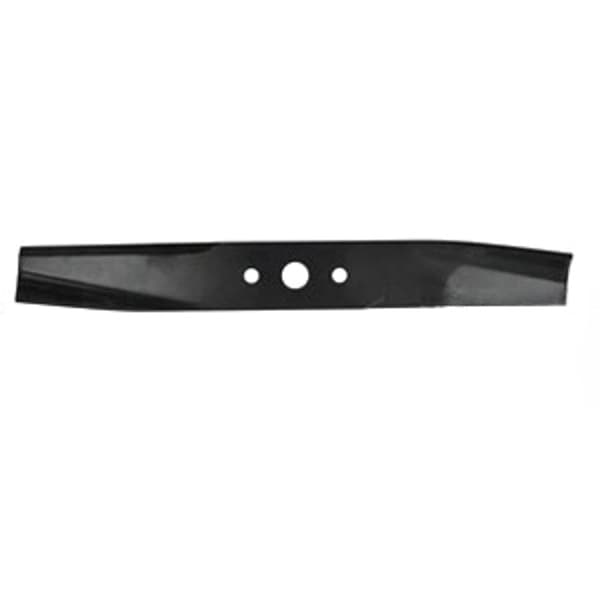
🔍 Looking for a specific part? Try our AI Part Finder — tell it your equipment and what you need, and it will find matching parts instantly.
Like many other brands such as John Deere, Craftsman, Cub Cadet, Husqvarna, Toro, Scag, and Exmark, Dixie Chopper offers different blade types designed for specific cutting conditions and desired results. Using the correct blade not only improves cut quality but also extends the life of your mower's spindles and belts.
Understanding Dixie Chopper Blade Types
Dixie Chopper offers a few primary blade designs, each tailored for particular mowing situations:
- Classic blades (Standard Lift): These are general-purpose blades suitable for most mowing conditions. They provide a clean cut and decent bagging performance in dry conditions.
- Magnum blades (High Lift): Magnum blades feature a more aggressive design that creates higher airflow. This improved airflow enhances bagging performance, especially in thick grass or slightly damp conditions. They also tend to discharge clippings further.
- Silver Eagle blades (Mulching): Designed primarily for mulching, Silver Eagle blades feature a unique shape and cutting edge that finely chop grass clippings into small pieces. These small clippings are then returned to the lawn as fertilizer. While not exclusively for mulching, many find they excel at that task.
Classic (Standard Lift) Blades
Classic blades are the workhorses of the Dixie Chopper lineup. They offer a balanced approach to cutting, discharging, and bagging in optimal conditions.
When to Use Classic Blades:
- Regular lawn maintenance: If you mow your lawn frequently and it's relatively short, Classic blades are a good choice.
- Dry conditions: They perform best when the grass is dry.
- General-purpose mowing: If you want a blade that can handle a variety of tasks reasonably well, the Classic blade is a solid option.
Pros of Classic Blades:
- Versatile: Suitable for a wide range of mowing conditions.
- Good cut quality: Provides a clean and even cut in most situations.
- Affordable: Generally less expensive than Magnum or Silver Eagle blades.
Cons of Classic Blades:
- Poor wet grass performance: Can clog easily in wet or damp conditions.
- Limited bagging performance: Not ideal for heavy bagging.
Magnum (High Lift) Blades
Magnum blades are designed to generate higher airflow, which is essential for effective bagging and side discharge, particularly in challenging conditions.
When to Use Magnum Blades:
- Bagging: If you frequently bag your grass clippings, Magnum blades will improve collection efficiency.
- Thick grass: They can handle thicker grass and weeds more effectively than Classic blades.
- Slightly damp conditions: The increased airflow helps prevent clogging in slightly damp grass.
Pros of Magnum Blades:
- Enhanced bagging: Superior bagging performance compared to Classic blades.
- Improved discharge: Discharges clippings further and more evenly.
- Good for thick grass: Handles thicker vegetation with ease.
Cons of Magnum Blades:
- More expensive: Typically cost more than Classic blades.
- Higher power demand: May require more engine power, potentially reducing fuel efficiency.
- Not ideal for dry, sandy conditions: The high lift can create dust clouds in very dry conditions.
Silver Eagle (Mulching) Blades
Silver Eagle blades are specifically engineered for mulching. They feature a unique design with multiple cutting edges and a curved surface that finely chops grass clippings.
When to Use Silver Eagle Blades:
- Mulching: If you want to return finely chopped grass clippings to your lawn as fertilizer, Silver Eagle blades are the best choice.
- Improved lawn health: Mulching helps retain moisture and nutrients in the soil, promoting a healthier lawn.
- Reduced fertilizer use: By mulching, you can reduce the need for chemical fertilizers.
Pros of Silver Eagle Blades:
- Excellent mulching: Provides superior mulching performance.
- Nutrient recycling: Returns valuable nutrients to the soil.
- Environmentally friendly: Reduces the need for chemical fertilizers and reduces waste.
Cons of Silver Eagle Blades:
- Not ideal for bagging: Poor bagging performance.
- May require a mulching kit: For optimal performance, a mulching kit (baffle plates) may be necessary.
- Can leave clumps in very thick grass: If the grass is too thick, mulching blades can sometimes leave clumps on the lawn.
Choosing the Right Blade for Your Needs
Here's a quick summary to help you choose the right dixie chopper blades:
- Classic: Best for general-purpose mowing in dry conditions.
- Magnum: Best for bagging and mowing thick grass.
- Silver Eagle: Best for mulching and improving lawn health.
Consider these factors when making your decision:
- Type of grass: Different types of grass may require different blade types.
- Mowing frequency: More frequent mowing may benefit from mulching blades.
- Desired cut quality: If you want a pristine cut, consider a Classic blade.
- Environmental concerns: Mulching blades are a more environmentally friendly option.
Blade Maintenance and Safety
Regular blade maintenance is crucial for maintaining your mower's performance and safety.
Sharpening:
Sharpen your blades regularly to ensure a clean cut. Dull blades tear the grass, making it more susceptible to disease and pests. Use a blade sharpener or take your blades to a professional.
Safety Warning: Always disconnect the spark plug before working on your mower blades. Wear gloves to protect your hands.
Balancing:
After sharpening, balance your blades to prevent vibration and uneven wear on your mower's spindles and bearings. Use a blade balancer for this task.
Replacement:
Replace your blades when they become excessively worn or damaged. Inspect them regularly for cracks, bends, or other signs of wear. Don't forget to check other components like filters, spark plugs, bearings, and pulleys. It's important to maintain your entire machine, not just the blades.
Safety Warning: Always use the correct replacement blades for your Dixie Chopper model. Refer to your owner's manual for the correct part numbers.
Finding the Right Parts for Your Dixie Chopper
Madison Tractor Company carries a wide selection of Dixie Chopper parts, including Classic, Magnum, and Silver Eagle blades. We also stock parts for other popular brands like Ariens, Murray, Hustler, Ferris, Snapper, and Simplicity.
To find the right blade for your specific Dixie Chopper model, consult your owner's manual or use our online parts lookup tool. Enter your model number, and we'll help you find the correct Dixie Chopper blades and other essential parts. You can also search by part number if you know what you need.
We also stock a wide range of other Dixie Chopper parts, including belts, spindles, pulleys, and more.
Shop Dixie Chopper Blades at Madison Tractor
At Madison Tractor Company, we're committed to providing high-quality parts and exceptional customer service. Whether you need dixie chopper blades or any other replacement parts for your outdoor power equipment, we're here to help. Shop our extensive selection today and keep your equipment running smoothly.
🔍 Can't Find Your Part?
Use our AI-Powered Part Finder to search by your equipment's make, model, and what you need. It's the fastest way to find the exact part for your machine.
Try the Part Finder →Part of our comprehensive guide
Mower Blade Buying Guide: Find the Right Blades for Your Mower