Murray SNOWBLOWER Snow Blower Thrower Parts
The Murray snow blower, manufactured over several years, offered a reliable option for residential snow removal. Typically gas-powered, these snow throwers came in various clearing widths to suit different needs. Many models were single or two-stage, making them popular for homeowners seeking a balance of power and affordability for clearing driveways and walkways.
Murray snow blowers have a history rooted in providing dependable snow removal solutions for homeowners. Specific models were produced throughout the late 20th and early 21st centuries. Engine specifications varied depending on the model year, with Briggs & Stratton being a common engine brand, ranging from 5 HP to 10 HP. Electric start options were often available on larger models. Murray snow blowers were available in both single-stage and two-stage configurations. Single-stage models used a rotating auger to collect and discharge snow in one motion, while two-stage models employed an auger to break up the snow and an impeller to throw it through the chute. Clearing widths typically ranged from 21 to 26 inches, with intake heights between 12 and 20 inches. Throwing distances could reach up to 30 feet. Drive systems were predominantly wheel-driven, with multiple forward and reverse speeds. Chute controls varied from manual to remote lever adjustments. Some models included features such as headlights for improved visibility during evening snow removal. Murray snow blowers are ideally suited for handling light to moderate snowfall on paved surfaces such as driveways, walkways, and patios.
Specifications
| Engine | Briggs & Stratton 5-10 HP Electric Start Optional |
|---|---|
| Stage Type | Single or Two-Stage |
| Clearing Width | 21-26 inches |
| Intake Height | 12-20 inches |
| Throwing Distance | Up to 30 ft |
| Drive System | Wheel - Multiple Forward/Reverse |
| Fuel Tank | Varies by model gallons |
| Weight | Varies by model lbs |
| Years Produced | Late 20th - Early 21st Century |
Maintenance Tips
- Inspect Auger and Impeller: Regularly check the auger blades and impeller for wear, damage, or bending. Replace worn or damaged parts immediately to maintain optimal performance.
- Check and Replace Shear Pins: Shear pins protect the auger from damage if it encounters a hard object. Always keep extra shear pins on hand and replace them if they break.
- Use Fuel Stabilizer: Add fuel stabilizer to the gasoline before storing the snow blower for the off-season to prevent fuel degradation and ensure easy starting next winter.
- Adjust Skid Shoes: Periodically adjust the skid shoes to match the surface you're clearing. Raising the skid shoes is necessary for gravel driveways to prevent the snow blower from scooping up rocks.
History & Background
Murray snow blowers were a staple in many homes, known for their affordability and reliability. While specific redesigns varied by model year, the core focus remained on providing a user-friendly snow removal solution. The Murray brand played a significant role in making snow blowers accessible to a wider range of homeowners.
Frequently Asked Questions
What engine is in the Murray SNOWBLOWER?
Murray snow blowers commonly use Briggs & Stratton engines, ranging from 5 HP to 10 HP, depending on the model. Electric start was an available option on some models.
What is the clearing width of the SNOWBLOWER?
The clearing width of Murray snow blowers typically ranges from 21 to 26 inches, with an intake height of 12 to 20 inches.
Is the SNOWBLOWER a single-stage or two-stage snow blower?
Murray snow blowers were offered in both single-stage and two-stage configurations. Single-stage models use a rotating auger to collect and discharge snow, while two-stage models use an auger to break up the snow and an impeller to throw it through the chute.
What are common parts needed for the SNOWBLOWER?
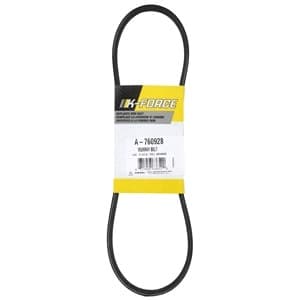
Common wear parts include shear pins, belts, auger paddles (for single-stage models), scraper bar, skid shoes, spark plugs, and fuel filters.