Mtd Cub Cadet White 312-500 Snow Blower Thrower Parts
The MTD, Cub Cadet, and White 312-500 series snow blowers, manufactured throughout the late 20th century and early 2000s, were popular gas-powered machines known for their reliability and durability. Typically equipped with a two-stage system, these snow throwers offered a clearing width suitable for various residential snow removal tasks. Their robust design made them a favorite among homeowners.
The MTD, Cub Cadet, and White 312-500 series represents a line of snow blowers known for their dependable performance. Production spanned many years, reflecting their sustained popularity. These machines are typically powered by a Briggs & Stratton or Tecumseh gas engine, delivering approximately 5-12 HP, depending on the specific model within the series. Many models offered an optional electric start for easier cold-weather starts. These are primarily two-stage snow blowers, employing a robust auger system to break up snow and an impeller to forcefully discharge it. Clearing widths typically range from 24 to 26 inches, with an intake height around 20-21 inches. Expect a throwing distance of up to 30-40 feet, depending on snow conditions. The drive system usually consists of wheels with multiple forward and reverse speeds, allowing for adjustable pace and maneuverability. Chute controls are generally manual, allowing for directional adjustments. While not all models had them, some 312-500 variants included headlights for improved visibility during early morning or evening snow clearing. These snow blowers are ideally suited for moderate to heavy snowfall on driveways, walkways, and patios.
Specifications
| Engine | Briggs & Stratton/Tecumseh 5-12 HP Electric Start (Optional) |
|---|---|
| Stage Type | Two-Stage |
| Clearing Width | 24-26 inches |
| Intake Height | 20-21 inches |
| Throwing Distance | Up to 40 ft |
| Drive System | Wheel - Multiple Forward/Reverse |
| Fuel Tank | 1-2 gallons (Estimate) |
| Weight | 200-250 lbs (Estimate) |
| Years Produced | Late 1900s - Early 2000s (Estimate) |
Maintenance Tips
- Inspect Auger and Impeller: Regularly check the auger blades and impeller for signs of wear or damage. Replace worn parts to maintain optimal snow throwing performance.
- Check and Replace Shear Pins: Ensure shear pins are in good condition and replace them immediately if broken to protect the auger and drivetrain from damage when encountering hard objects.
- Use Fuel Stabilizer: Add fuel stabilizer to the gasoline before storing the snow blower for the off-season to prevent fuel degradation and ensure easy starting next season.
- Adjust Skid Shoes: Adjust the skid shoes to the appropriate height for your surface type (paved or gravel) to prevent damage to both the snow blower and the surface being cleared.
History & Background
The MTD, Cub Cadet, and White 312-500 series was introduced as a reliable and affordable option for residential snow removal. While specific redesigns were incremental, improvements were made over the years to the engine and chute controls. This series maintained a strong presence in the snow blower market due to its durability and ease of use.
Frequently Asked Questions
What engine is in the Mtd Cub Cadet White 312-500?
The MTD, Cub Cadet, and White 312-500 series typically used either a Briggs & Stratton or Tecumseh gas engine, ranging from 5 to 12 HP. Some models offered an electric start option for added convenience.
What is the clearing width of the 312-500?
The clearing width of the 312-500 snow blower is generally between 24 and 26 inches, with an intake height of approximately 20-21 inches.
Is the 312-500 a single-stage or two-stage snow blower?
The 312-500 is a two-stage snow blower. It utilizes an auger to break up the snow and then an impeller to throw the snow through the chute. This two-stage design allows it to handle deeper and heavier snow compared to single-stage models.
What are common parts needed for the 312-500?
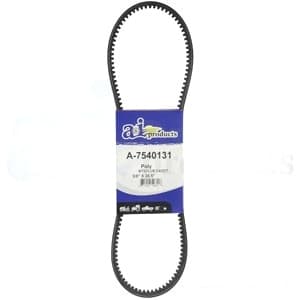
Common parts needed for the 312-500 include shear pins, belts (auger and drive), auger paddles (if equipped), scraper bar, skid shoes, spark plugs, and fuel filters. Regular replacement of these parts ensures optimal performance and longevity of the snow blower.