



Massey Ferguson 830 Combine Parts
830 parts and accessories
The Massey Ferguson 830 combine, produced in the late 1970s and early 1980s, was a popular choice for farmers seeking a reliable and versatile machine. Typically powered by a diesel engine in the 130-150 HP range, the MF 830 offered header widths up to 20 feet, making it suitable for medium to large-sized farms. Its conventional threshing system provided a good balance of grain quality and throughput, contributing to its widespread adoption.
The Massey Ferguson 830 combine was introduced to the market in the late 1970s and was manufactured through the early 1980s. Powering the MF 830 was typically a Perkins 6.354 diesel engine, producing approximately 130-150 horsepower, with a displacement around 354 cubic inches (5.8 liters). The 830 utilized a conventional threshing system with a cylinder and concave. The grain tank capacity typically held around 135 bushels. The unloading auger could unload at a rate of approximately 25 bushels per minute. Available header widths ranged from 13 to 20 feet, allowing for adaptability to various field conditions. Optional equipment included a straw chopper or spreader. The cab offered basic operator comfort with features such as a seat and simple controls. The Massey Ferguson 830 excelled in harvesting various crops, including wheat, soybeans, and corn, providing a reliable and cost-effective solution for farmers.
Specifications
| Engine | Perkins 6.354 130-150 HP Diesel |
|---|---|
| Separator Type | Conventional - Cylinder width of 46 inches |
| Grain Tank | 135 bushels |
| Unloading Rate | 25 bu/min |
| Header Widths | 13-20 ft |
| Fuel Capacity | 60 gallons |
| Weight | Approximately 14,000 lbs |
| Years Produced | Late 1970s - Early 1980s |
Maintenance Tips
- Concave Adjustment: Regularly inspect and adjust the concave clearance to ensure proper threshing and minimize grain damage. Refer to the operator's manual for specific recommendations based on the crop being harvested.
- Belt and Chain Tension: Check and maintain proper tension on all drive belts and chains. Loose belts and chains can lead to slippage, reduced performance, and premature wear.
- Sieve and Chaffer Cleaning: Regularly clean the sieves and chaffer to remove debris and prevent plugging. This ensures efficient grain cleaning and reduces grain loss.
- Bearing Greasing: Grease all lubrication points on the combine, including bearings, according to the recommended maintenance schedule. Proper lubrication is essential for preventing premature wear and extending the life of components.
History & Background
The Massey Ferguson 830 was introduced as a mid-sized combine, offering a blend of performance and affordability. It represented a significant step forward in combine technology for Massey Ferguson at the time. While not revolutionary, the 830 proved to be a durable and reliable workhorse for many farms.
Frequently Asked Questions
What engine is in the Massey Ferguson 830?
The Massey Ferguson 830 typically used a Perkins 6.354 diesel engine, producing approximately 130-150 horsepower with a displacement of around 354 cubic inches (5.8 liters).
What is the grain tank capacity on a 830?
The grain tank capacity on the Massey Ferguson 830 is approximately 135 bushels, with an unloading rate of around 25 bushels per minute.
What type of separator does the 830 have?
The Massey Ferguson 830 uses a conventional threshing system featuring a cylinder and concave, with a cylinder width of approximately 46 inches.
What are common parts needed for the 830?
Common wear parts needed for the Massey Ferguson 830 include concaves, rasp bars, belts, chains, bearings, auger fingers, and sickle sections. Regular inspection and replacement of these parts are essential for maintaining optimal performance.
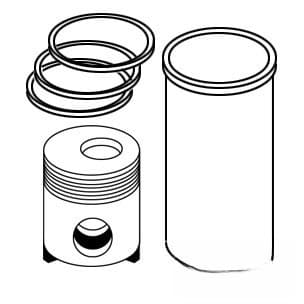
U5MK0071 - T6.354.4 Piston Liner Kit
SKU: U5MK0071
4 in stock
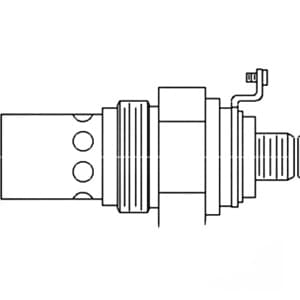
893501M1 - Thermostat Burner w/ Thread Connector Heater Plug
SKU: 893501M1
74 in stock

68803 - Piston
SKU: 68803
16 in stock
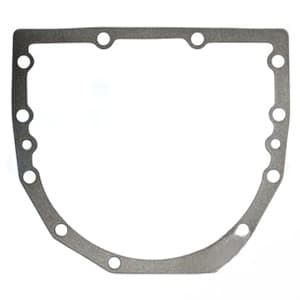
3641224M1 - Rear Main Housing Gasket
SKU: 3641224M1
46 in stock

3637408M91 - Lip Seal Keyed Nose Crankshaft
SKU: 3637408M91
7 in stock
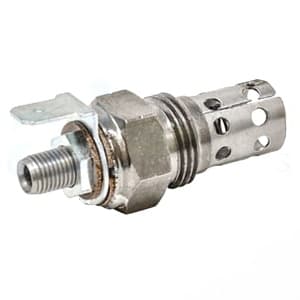
3583543M1 - Thermostat Burner Heater Plug
SKU: 3583543M1
240 in stock

1446951M91 - Fuel Lift Pump
SKU: 1446951M91
52 in stock

1874535M3 - Switch w/ Keys
SKU: 1874535M3
103 in stock

1695447M1 - Ignition Key
SKU: 1695447M1
70 in stock
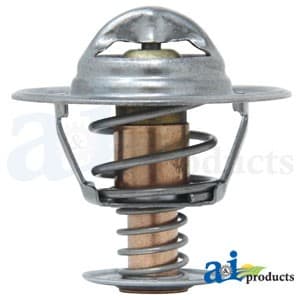
1447384M1 - Thermostat (180°)
SKU: 1447384M1
223 in stock