



Massey Ferguson 751 Combine Parts
751 parts and accessories
The Massey Ferguson 751 combine harvester, manufactured in the early to mid-1980s, offered a reliable solution for grain harvesting. Powered by a [Perkins or Caterpillar] engine delivering around [185-210] horsepower, it could handle various header widths up to [25] feet. The 751's conventional threshing and separating system made it a popular choice for farmers seeking a durable and straightforward machine for wheat, corn, and soybean harvesting.
The Massey Ferguson 751 was introduced as a robust and dependable combine for mid-sized farms. Production spanned from approximately [1980] to [1986/1987]. Engine options commonly included a [Perkins or Caterpillar] diesel engine, providing approximately [185-210] horsepower, with a displacement around [540-600] cubic inches. The 751 utilizes a conventional threshing system with a [single or double] cylinder and straw walkers for grain separation. The grain tank capacity is approximately [160-200] bushels, with an unloading auger capable of emptying the tank at a rate of around [30-50] bushels per minute. Available header widths ranged from [13] to [25] feet, catering to diverse field sizes. Chopper and spreader options helped manage crop residue. The cab offered basic operator comfort and controls. The 751 excelled at harvesting crops like wheat, soybeans, and corn, especially in conditions where a simpler, less technologically advanced machine was preferred.
Specifications
| Engine | [Perkins or Caterpillar] [185-210] HP Diesel |
|---|---|
| Separator Type | Conventional - [Single/Double Cylinder] |
| Grain Tank | [160-200] bushels |
| Unloading Rate | [30-50] bu/min |
| Header Widths | [13-25] ft |
| Fuel Capacity | [80-100] gallons |
| Weight | [15,000-18,000] lbs |
| Years Produced | [1980-1987] |
Maintenance Tips
- Concave Adjustment: Regularly check and adjust concave clearance to optimize threshing and minimize grain damage, especially when switching between crop types.
- Belt and Chain Tension: Inspect and maintain proper tension on all belts and chains. Loose belts and chains can lead to slippage, reduced performance, and premature wear.
- Sieve and Chaffer Cleaning: Thoroughly clean the sieves and chaffer after each harvest and regularly during operation to ensure proper grain separation and minimize losses.
- Bearing Greasing: Follow the manufacturer's recommended greasing schedule for all bearings to prevent overheating and ensure smooth operation of moving parts.
History & Background
The Massey Ferguson 751 was introduced in the early 1980s as part of Massey Ferguson's strategy to provide a reliable and affordable combine option. While not revolutionary, the 751 served as a dependable workhorse for many farms, offering a balance of performance and simplicity compared to more complex or larger machines of the time. It represented a solid, conventional combine design within Massey Ferguson's lineup.
Frequently Asked Questions
What engine is in the Massey Ferguson 751?
The Massey Ferguson 751 was typically equipped with a Perkins or Caterpillar diesel engine producing between 185 and 210 horsepower. Displacement varied depending on the specific engine model, usually between 540 and 600 cubic inches.
What is the grain tank capacity on a 751?
The grain tank capacity on the Massey Ferguson 751 is approximately 160 to 200 bushels, and the unloading rate is typically between 30 and 50 bushels per minute.
What type of separator does the 751 have?
The Massey Ferguson 751 utilizes a conventional threshing system with a single or double cylinder followed by straw walkers for grain separation.
What are common parts needed for the 751?
Common wear parts for the Massey Ferguson 751 include concaves, rasp bars, belts, chains, bearings, auger fingers, and sickle sections. Regularly replacing these parts ensures optimal performance and minimizes downtime.
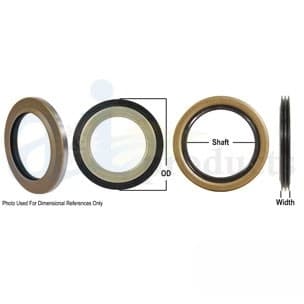
41461S-I - Seal
SKU: 41461S-I
182 in stock
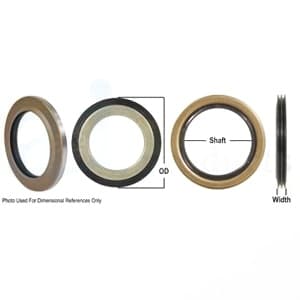
41461S-P - Seal
SKU: 41461S-P
14 in stock
842504M1 - Ball Type
SKU: 842504M1
23 in stock
834869M1 - Ball Type
SKU: 834869M1
33 in stock
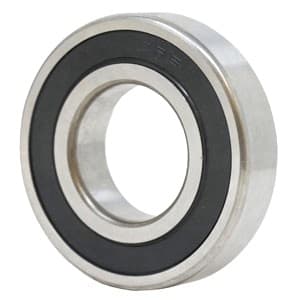
834313M1 - Ball Type
SKU: 834313M1
11 in stock
833757M1 - Ball Type
SKU: 833757M1
11 in stock
833741M1 - Ball Type
SKU: 833741M1
9 in stock
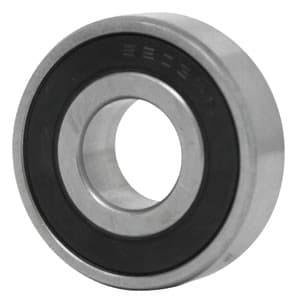
833735M1 - Ball Type
SKU: 833735M1
80 in stock
833647M1 - Ball Type
SKU: 833647M1
4 in stock
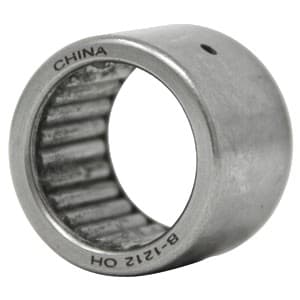
832339M1 - Roller Type
SKU: 832339M1
5 in stock
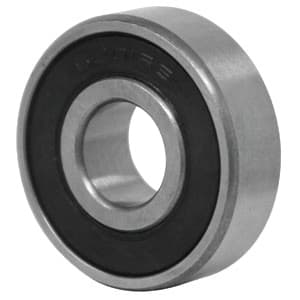
832198M1 - Ball Type
SKU: 832198M1
46 in stock
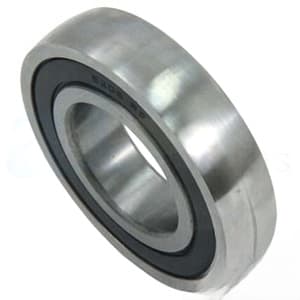
832087M1 - Ball Type
SKU: 832087M1
32 in stock
831861M1 - Spherical Ball Type
SKU: 831861M1
4 in stock
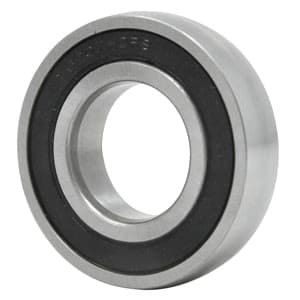
831822M1 - Ball Type
SKU: 831822M1
61 in stock
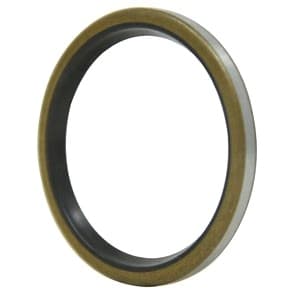
831225M1 - Oil Seal
SKU: 831225M1
65 in stock
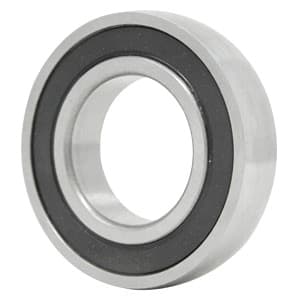
831134M1 - Ball Bearing
SKU: 831134M1
15 in stock
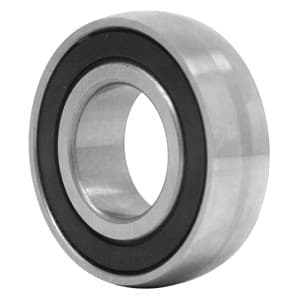
831112M1 - Ball Type
SKU: 831112M1
55 in stock
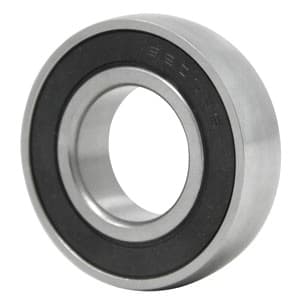
831087M1 - Ball Type
SKU: 831087M1
4 in stock
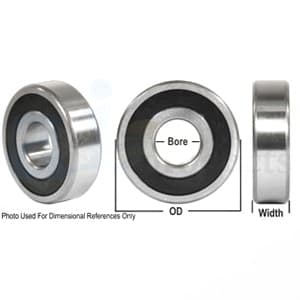
6209-RS-I - Flat Edge Ball; 6200 Series Bearing
SKU: 6209-RS-I
23 in stock
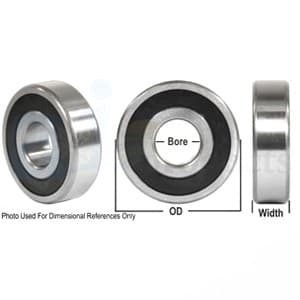
6018-Z-I - Flat Edge Ball; 6000 Series Bearing
SKU: 6018-Z-I
Out of stock
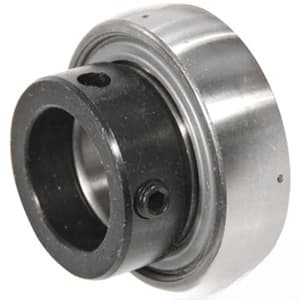
353161X1 - Elevator Drive Shaft Bearing
SKU: 353161X1
168 in stock
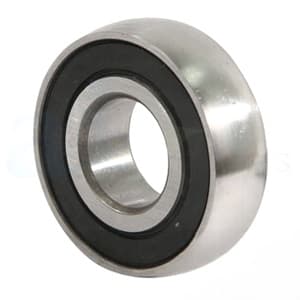
353152X1 - Ball Type
SKU: 353152X1
35 in stock
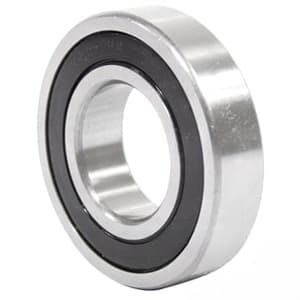
353140X1 - Ball Type
SKU: 353140X1
448 in stock
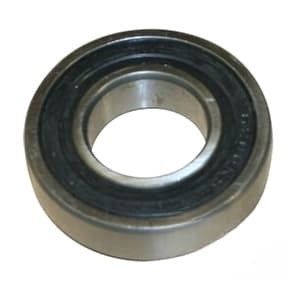
353102X1 - Ball Type
SKU: 353102X1
Out of stock