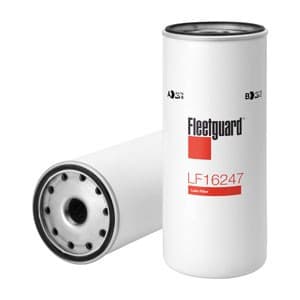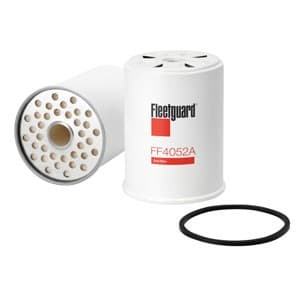
Massey Ferguson 7272 Combine Parts
7272 parts and accessories
The Massey Ferguson 7272 combine, produced in the late 1990s and early 2000s, was a popular choice for farmers seeking a reliable and efficient grain harvesting solution. Typically powered by a diesel engine in the 220-250 HP range, it offered header widths up to 30 feet, catering to various field sizes. Its robust conventional threshing system and durable design contributed to its reputation for dependable performance across a range of crops.
The Massey Ferguson 7272 combine was introduced as a mid-sized machine designed for efficiency and ease of maintenance. Production spanned from the late 1990s into the early 2000s. It generally featured a Perkins or Sisu diesel engine, offering between 220 and 250 horsepower with a displacement around 7.4 liters. The 7272 employed a conventional threshing system, utilizing a robust threshing cylinder and concave system for effective grain separation. Grain tank capacity was typically around 240-260 bushels, with an unloading auger capable of discharging grain at a rate of approximately 2-3 bushels per second (120-180 bu/min). Available header widths ranged from 20 to 30 feet, providing flexibility for different harvesting conditions and crop types. Options included straw choppers and spreaders for residue management. The cab offered basic operator comfort and controls, focused on functionality and ease of use. The 7272 was well-suited for harvesting wheat, soybeans, corn, and other small grains.
Specifications
| Engine | Perkins or Sisu 220-250 HP 7.4L Diesel |
|---|---|
| Separator Type | Conventional - Cylinder with 8 rasp bars |
| Grain Tank | 240-260 bushels |
| Unloading Rate | 120-180 bu/min |
| Header Widths | 20-30 ft |
| Fuel Capacity | 150 gallons |
| Weight | Approximately 25,000 lbs |
| Years Produced | Late 1990s - Early 2000s |
Maintenance Tips
- Concave Adjustment: Regularly inspect and adjust the concave clearance based on the crop being harvested to ensure optimal threshing and minimize grain loss. Refer to the operator's manual for recommended settings.
- Belt and Chain Tension: Check the tension of all belts and chains before each harvest and periodically during operation. Loose belts and chains can cause slippage, reduced performance, and premature wear.
- Sieve and Chaffer Cleaning: Regularly clean the sieves and chaffers to prevent clogging and ensure efficient grain separation. Use compressed air or brushes to remove debris.
- Bearing Greasing: Grease all bearings according to the manufacturer's recommended schedule. Proper lubrication is crucial for preventing bearing failure and extending the life of the combine.
History & Background
The Massey Ferguson 7272 was part of the 7200 series of combines, offering a balance of power, capacity, and simplicity. While not featuring radical innovations, it represented a solid, dependable machine in Massey Ferguson's combine lineup during its production years. It helped solidify MF's reputation for producing durable and reliable harvesting equipment.
Frequently Asked Questions
What engine is in the Massey Ferguson 7272?
The Massey Ferguson 7272 typically uses a Perkins or Sisu 7.4L diesel engine, producing between 220 and 250 horsepower.
What is the grain tank capacity on a 7272?
The grain tank capacity on a Massey Ferguson 7272 is typically between 240 and 260 bushels, with an unloading rate of 120-180 bushels per minute.
What type of separator does the 7272 have?
The Massey Ferguson 7272 features a conventional threshing system, utilizing a cylinder and concave configuration for separating grain from the crop material.
What are common parts needed for the 7272?
Common wear parts for the Massey Ferguson 7272 include concaves, rasp bars, belts, chains, bearings, auger fingers, and sickle sections. Regular inspection and replacement of these parts are essential for maintaining optimal performance.