


John Deere W230 Combine Parts
W230 parts and accessories
The John Deere W230 combine, known for its reliability and efficient grain handling, was a popular choice for farmers in the [Years Manufactured] timeframe. This combine is powered by a [HP] HP engine and accommodates various header widths for optimized harvesting across different crop types. The W230 features a [Conventional/Rotary] separator, which contributed to its reputation for clean grain samples and reduced losses.
The John Deere W230 combine, produced from approximately [Years Produced], was designed to deliver efficient harvesting performance. Powering this machine is a robust [Engine Brand] diesel engine producing approximately [HP] horsepower with a [Displacement] displacement. The W230 utilizes a [Conventional/Rotary] separator, with a [Cylinder Width or Rotor Details], offering effective threshing and separation. It boasts a generous grain tank capacity of [Bushels] bushels and an unloading auger capable of emptying the tank at a rate of [Bu/min] bushels per minute. Operators could choose from a range of header widths to suit their field conditions, typically from [Widths] feet. Chopper and spreader options were available to manage residue effectively, contributing to improved soil health and subsequent planting. The cab featured enhanced operator comfort with improved visibility, controls, and monitoring systems. The W230 excelled in harvesting various crops, including wheat, corn, soybeans, and other small grains, making it a versatile machine for diverse farming operations.
Specifications
| Engine | [Engine Brand] [HP] HP [Displacement] Diesel |
|---|---|
| Separator Type | [Conventional/Rotary] - [Cylinder width or rotor details] |
| Grain Tank | [Bushels] bushels |
| Unloading Rate | [Bu/min] bu/min |
| Header Widths | [Widths] ft |
| Fuel Capacity | [Gallons] gallons |
| Weight | [Lbs] lbs |
| Years Produced | [Years] |
Maintenance Tips
- Concave Adjustment: Regularly inspect and adjust the concave clearance according to the crop being harvested. Proper concave settings minimize grain damage and improve threshing efficiency.
- Belt and Chain Tension: Maintain proper tension on all belts and chains to prevent slippage and premature wear. Regularly inspect for wear and replace as needed.
- Sieve and Chaffer Cleaning: Thoroughly clean the sieves and chaffer screens to ensure optimal grain separation and minimize losses. Remove any debris or buildup that can restrict airflow.
- Bearing Greasing: Grease all bearings according to the manufacturer's recommendations to prevent premature failure. Pay close attention to bearings on the header, separator, and unloading auger.
History & Background
Introduced around [Year Introduced], the John Deere W230 offered a balance of performance and value in the combine market. While not featuring major redesigns during its production run, it represented a key evolution in John Deere's combine lineup, catering to farmers seeking a reliable and efficient harvesting solution with a [Conventional/Rotary] separation system.
Frequently Asked Questions
What engine is in the John Deere W230?
[Engine Brand] [HP] HP [Displacement] diesel engine
What is the grain tank capacity on a W230?
The grain tank capacity is approximately [Bushels] bushels, with an unloading rate of [Bu/min] bushels per minute.
What type of separator does the W230 have?
The John Deere W230 features a [Conventional/Rotary] separator with [Cylinder width or Rotor Details].
What are common parts needed for the W230?
Common wear parts include concaves, rasp bars, belts, chains, bearings, auger fingers, sickle sections, and feeder house components.
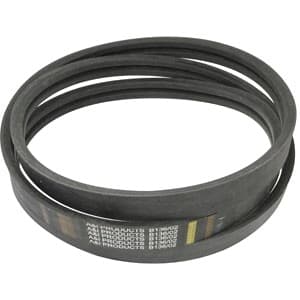
Z38186 - Feeder House Main Drive Belt
SKU: Z38186
14 in stock
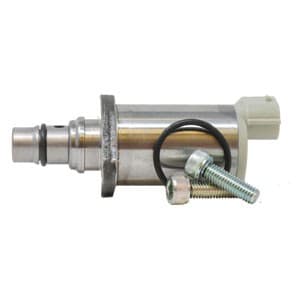
DZ111135 - Suction Control Valve
SKU: DZ111135
127 in stock

VPK1551 - Hydraulic Filter
SKU: VPK1551
1129 in stock

RE63932 - Element Primary Filter
SKU: RE63932
61 in stock

RE522878 - Fuel/Water Separator Filter
SKU: RE522878
566 in stock