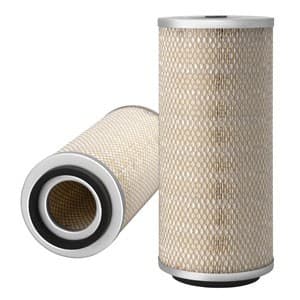
John Deere 930 Combine Parts
930 parts and accessories
The John Deere 930 combine harvester, produced from 1978-1985, was a popular choice for farmers seeking a reliable and efficient machine. Powered by a robust John Deere diesel engine, it offered a balanced blend of power and capacity. With header widths ranging up to 30 feet and a conventional separation system, the 930 excelled in harvesting small grains like wheat and soybeans, solidifying its reputation for dependable performance.
The John Deere 930 combine was introduced in 1978 as part of John Deere's '30 Series' combines, replacing earlier models and representing a significant step forward in harvesting technology. Production continued through 1985. It was equipped with a John Deere 6466A 7.6L (466 cu in) 155 HP diesel engine, providing ample power for its class. The threshing system was a conventional cylinder and concave design, known for its effective separation in various crop conditions. The grain tank held approximately 140 bushels, and the unloading auger could unload at a rate of around 40 bushels per minute. Available header widths ranged from 13 to 30 feet, offering flexibility for different field sizes and crop types. Optional features included a straw chopper or spreader for residue management. The cab offered improved operator comfort and visibility compared to previous generations, with options for air conditioning and heating. The 930 was particularly well-suited for harvesting wheat, soybeans, and other small grains, due to its efficient threshing and cleaning capabilities.
Specifications
| Engine | John Deere 6466A 155 HP 7.6L Diesel |
|---|---|
| Separator Type | Conventional - 6-bar cylinder, 30 inch width |
| Grain Tank | 140 bushels |
| Unloading Rate | 40 bu/min |
| Header Widths | 13-30 ft |
| Fuel Capacity | 68 gallons |
| Weight | Approx. 18,000 lbs |
| Years Produced | 1978-1985 |
Maintenance Tips
- Concave Adjustment: Regularly inspect and adjust the concave clearance according to the crop being harvested. Proper concave settings are crucial for efficient threshing and minimizing grain loss.
- Belt and Chain Tension: Check and maintain proper tension on all belts and chains, especially the header drive belt, feeder house chain, and separator drive belt. Loose belts and chains can lead to slippage, reduced performance, and premature wear.
- Sieve and Chaffer Cleaning: Keep the sieves and chaffer clean and free of debris. Clogged sieves reduce cleaning efficiency and increase grain loss. Periodically remove and clean them thoroughly.
- Bearing Greasing: Follow the manufacturer's recommended greasing schedule for all bearings, including those on the header, feeder house, cylinder, and cleaning shoe. Proper lubrication is essential for extending bearing life and preventing breakdowns.
History & Background
The John Deere 930 was introduced in 1978 as a key component of the '30 Series' combine lineup, offering a mid-range option for farmers. While it didn't receive major redesigns during its production run, it benefitted from incremental improvements to enhance reliability and performance. It played a significant role in the evolution of combine harvesters by providing a robust and dependable machine for small grain harvesting.
Frequently Asked Questions
What engine is in the John Deere 930?
The John Deere 930 is equipped with a John Deere 6466A, a 7.6L (466 cu in) 6-cylinder diesel engine producing approximately 155 horsepower.
What is the grain tank capacity on a 930?
The grain tank capacity on the John Deere 930 is approximately 140 bushels. The unloading rate is around 40 bushels per minute.
What type of separator does the 930 have?
The John Deere 930 utilizes a conventional cylinder and concave separation system. This system employs a rotating cylinder with rasp bars to thresh the grain from the heads, followed by a concave to separate the grain from the straw.
What are common parts needed for the 930?
Common wear parts for the John Deere 930 include concaves, rasp bars, belts (header, feeder house, separator), chains (feeder house, elevator), bearings (various locations throughout the machine), auger fingers, and sickle sections.