John Deere 7500 Combine Parts
7500 parts and accessories
The John Deere 7500 combine harvester, produced from the late 1970s to the early 1980s, offered farmers a reliable and efficient harvesting solution. Powered by a robust John Deere diesel engine around 155 HP, it was available with header widths suitable for various field sizes. Its conventional threshing system and relatively high capacity for its time made it a popular choice for grain farmers.
The John Deere 7500 entered the market as a mid-sized combine, aiming to balance capacity and affordability for a wide range of farming operations. It was produced from approximately 1978-1984. The 7500 typically featured a John Deere 404 cubic inch displacement (6.6L) diesel engine, delivering around 155 horsepower. The threshing system utilized a conventional cylinder and concave design, known for its effective separation in various crops. The grain tank could hold approximately 150 bushels. The unloading auger provides an unloading rate of about 50 bushels per minute. Available header widths ranged from 13 to 20 feet for grain platforms and up to 6-row corn heads. Chopper and spreader options were available to manage residue efficiently. The cab offered basic operator comfort and controls, representing the technology available during its production era. The 7500 excelled in harvesting wheat, soybeans, and corn, making it a versatile machine for diversified farms.
Specifications
| Engine | John Deere 404D 155 HP 6.6L Diesel |
|---|---|
| Separator Type | Conventional - 40 inch wide cylinder |
| Grain Tank | 150 bushels |
| Unloading Rate | 50 bu/min |
| Header Widths | 13-20 ft |
| Fuel Capacity | 65 gallons |
| Weight | 16,500 lbs |
| Years Produced | 1978-1984 |
Maintenance Tips
- Concave Adjustment: Regularly check and adjust concave clearance to ensure proper threshing and minimize grain damage, especially when switching between different crops.
- Belt and Chain Tension: Inspect belt and chain tension frequently and adjust as needed to prevent slippage, reduce wear, and maintain optimal performance. Proper tension is critical for drives to function correctly.
- Sieve and Chaffer Cleaning: Clean sieves and chaffers daily or more frequently in dusty conditions to maintain proper airflow and prevent grain loss. Clogged sieves significantly reduce harvesting efficiency.
- Bearing Greasing: Follow the recommended greasing schedule for all bearings to ensure proper lubrication and prevent premature failure. This is crucial for the header, cylinder, and unloading system.
History & Background
The John Deere 7500 was introduced in the late 1970s as part of John Deere's efforts to provide a comprehensive line of combine harvesters to meet the diverse needs of farmers. It represented a significant step in combining harvesting technology at the time, offering improvements in capacity and efficiency compared to earlier models. While not revolutionary, it solidified John Deere's position as a leading manufacturer of agricultural equipment.
Frequently Asked Questions
What engine is in the John Deere 7500?
The John Deere 7500 is powered by a John Deere 404 cubic inch displacement (6.6L) diesel engine producing approximately 155 horsepower.
What is the grain tank capacity on a 7500?
The grain tank capacity of the John Deere 7500 is approximately 150 bushels, and it has an unloading rate of about 50 bushels per minute.
What type of separator does the 7500 have?
The John Deere 7500 utilizes a conventional threshing system with a 40-inch wide cylinder and concave design.
What are common parts needed for the 7500?
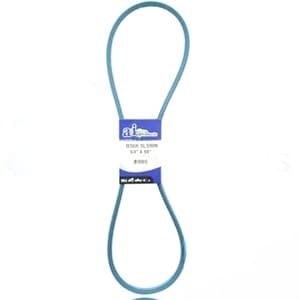
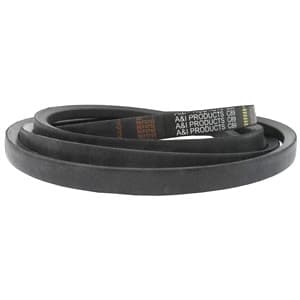
Commonly needed parts for the John Deere 7500 include concaves, rasp bars, belts, chains, bearings, auger fingers, and sickle sections. These are wear items that require regular replacement to maintain optimal performance.