








John Deere 7300 Combine Parts
John Deere 7300 Combine parts in stock. Quality OEM and aftermarket replacement parts with fast shipping and competitive prices.
The John Deere 7300 combine, manufactured from 1983 to 1989, quickly became a favorite among farmers due to its reliability and efficient harvesting capabilities. Powered by a robust John Deere diesel engine producing around 175 horsepower, the 7300 offered header widths up to 22 feet, allowing for considerable field coverage. Its conventional separator system provided excellent grain quality, contributing to its widespread adoption.
About the 7300
The John Deere 7300 combine was introduced in 1983 as part of the '00 Series' combines, replacing earlier models and bringing updated technology to the field. Production continued until 1989. Powering the 7300 was a John Deere 6.6L (404 cu in) 6-cylinder diesel engine, delivering approximately 175 horsepower. This engine provided ample power for threshing and propulsion. It uses a conventional threshing system with a 47-inch wide cylinder. The grain tank capacity is around 150 bushels. Unloading auger speeds were typically in the range of 45-50 bushels per minute, allowing for quick unloading into grain carts or trucks. Available header widths ranged from 13 to 22 feet. Options included a straw chopper or spreader for residue management. The cab offered basic operator comfort and controls. The 7300 excelled in harvesting a variety of crops, including wheat, soybeans, and corn, thanks to its adaptable header and threshing system.
7300 Specifications
| Engine | John Deere 6.6L 175 HP Diesel |
|---|---|
| Separator Type | Conventional - 47-inch Cylinder |
| Grain Tank | 150 bushels |
| Unloading Rate | 45-50 bu/min |
| Header Widths | 13-22 ft |
| Fuel Capacity | 65 gallons |
| Weight | Approx. 15,000 lbs |
| Years Produced | 1983-1989 |
7300 Maintenance Tips
- Concave Adjustment: Regularly inspect and adjust concave clearance based on the crop being harvested. Proper adjustment minimizes grain damage and maximizes threshing efficiency.
- Belt and Chain Tension: Check and maintain proper tension on all belts and chains before and during harvest. Loose belts and chains can lead to slippage, reduced performance, and premature wear.
- Sieve and Chaffer Cleaning: Periodically clean the sieves and chaffer to remove debris and ensure proper airflow. This prevents grain loss and maintains separation efficiency.
- Bearing Greasing: Grease all lubrication points, including bearings, before each harvest season. Proper lubrication extends bearing life and prevents costly repairs.
7300 History & Background
Introduced in 1983, the John Deere 7300 represented a significant upgrade over previous combine models, offering increased horsepower and improved threshing efficiency. It filled a crucial niche in John Deere's combine lineup, providing a dependable and economical option for smaller to medium-sized farms. The 7300 helped solidify John Deere's reputation for building robust and reliable harvesting equipment.
Frequently Asked Questions
Which primary air filter is recommended for the John Deere 7300 combine?
For optimal engine performance, the recommended primary air filter for the John Deere 7300 combine is AF409KM.
What is the correct lube filter for a John Deere 7300 combine?
We recommend the LF678J full-flow spin-on lube filter for the John Deere 7300 combine.
Which fuel filter fits the John Deere 7300 combine?
The appropriate fuel filter for the John Deere 7300 combine is the FF167J cartridge type.
What are some common replacement parts for the John Deere 7300 combine?
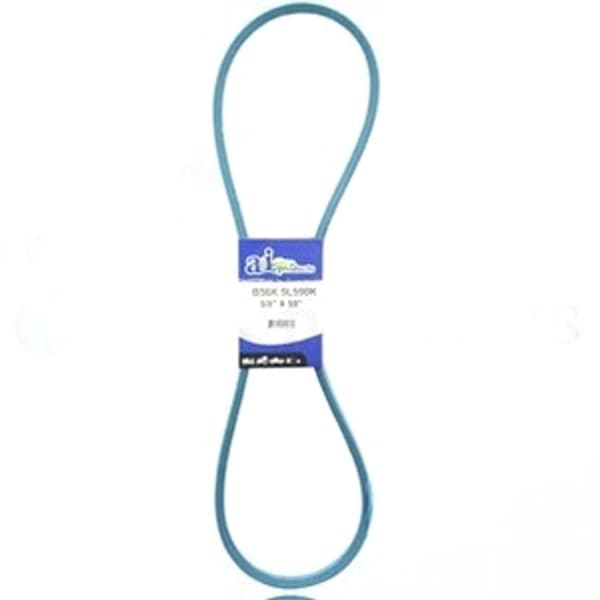
CQ17755 - Hydraulic Pump Belt
SKU: CQ17755
Out of stock
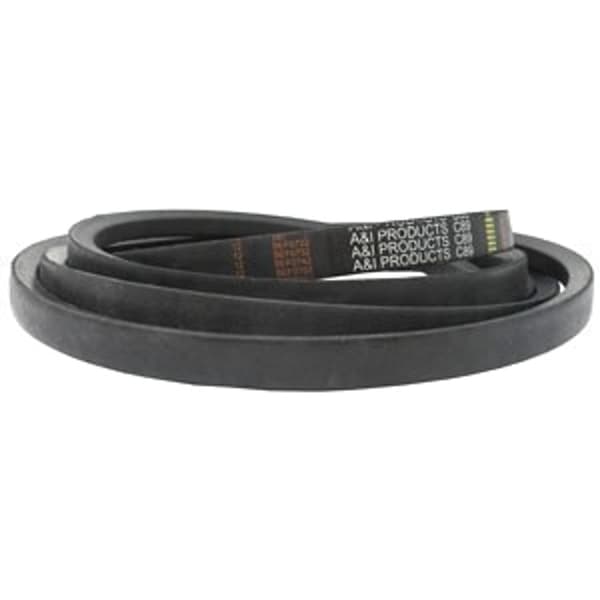
CQ03265 - Grain Tank Unloading Belt
SKU: CQ03265
133 in stock
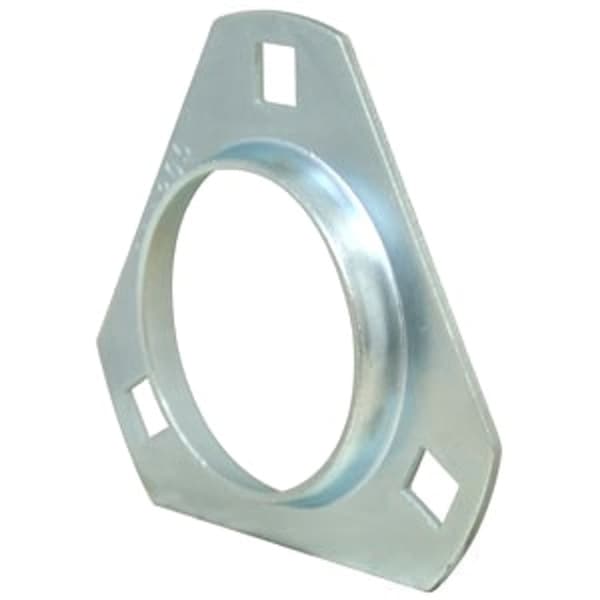
H103264 - BEARING FLANGE
SKU: H103264
2128 in stock
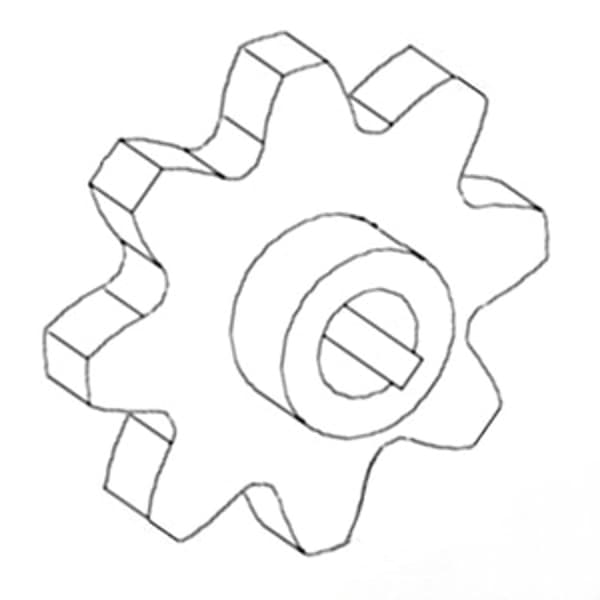
Z10997 - Elevator Sprocket
SKU: Z10997
4 in stock
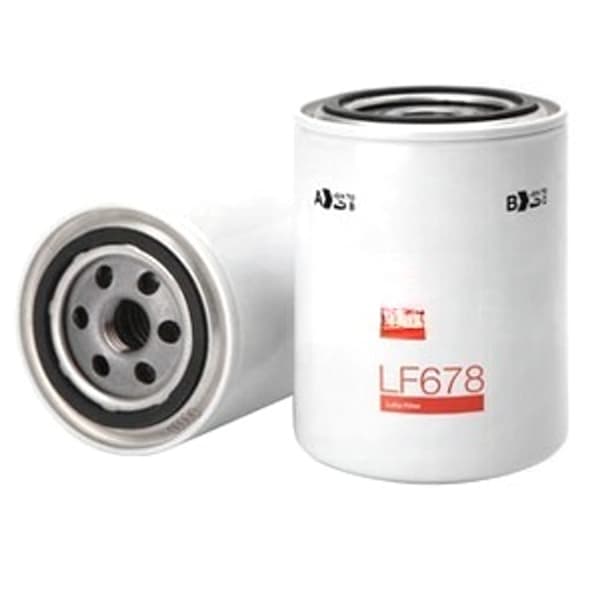
LF678J - Full-Flow Spin-On (QTY 1) Lube Filter
SKU: LF678J
Out of stock
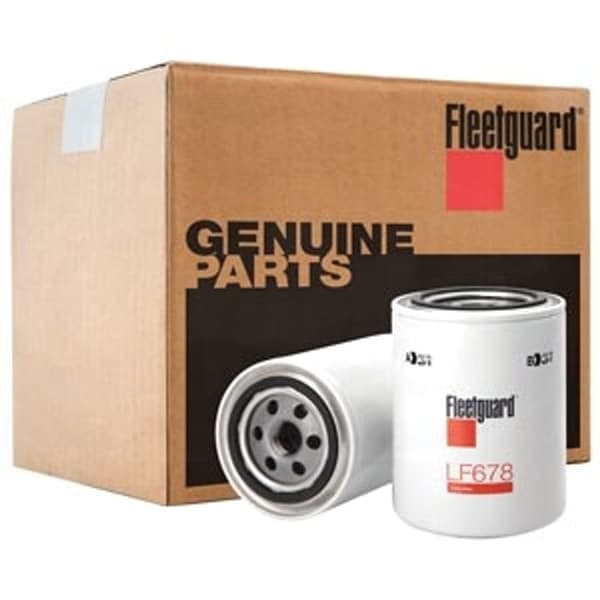
LF678 - Full-Flow Spin-On (QTY 12) Lube Filter
SKU: LF678
53 in stock
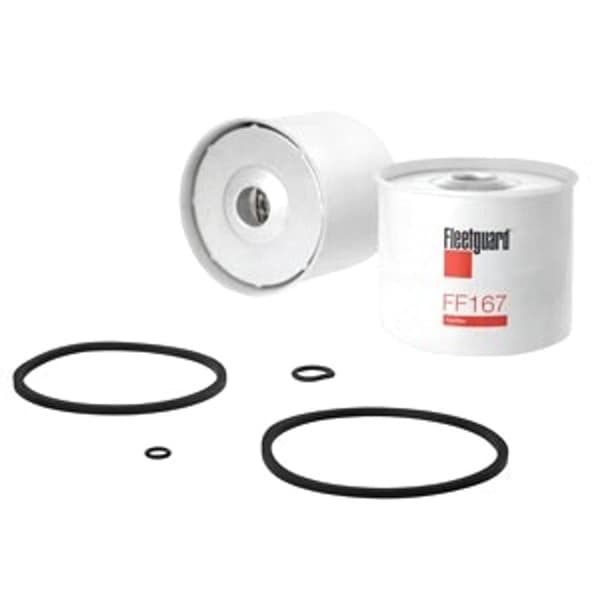
FF167J - Fuel (QTY 1) Filter
SKU: FF167J
Out of stock
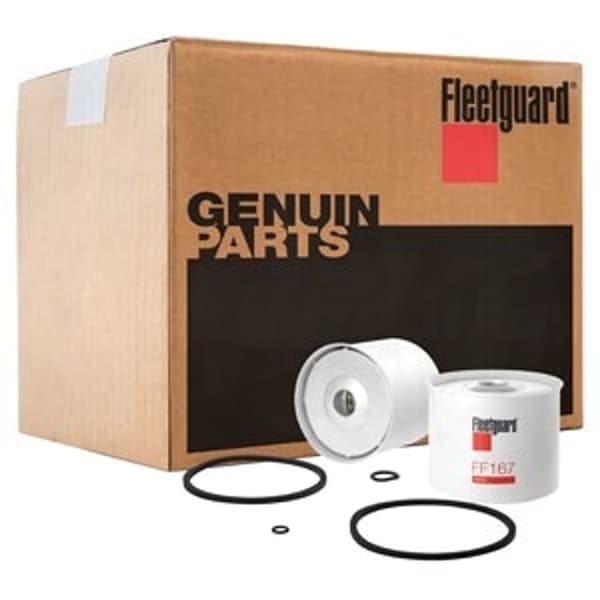
FF167 - Cartridge (QTY 12) Fuel Filter
SKU: FF167
294 in stock
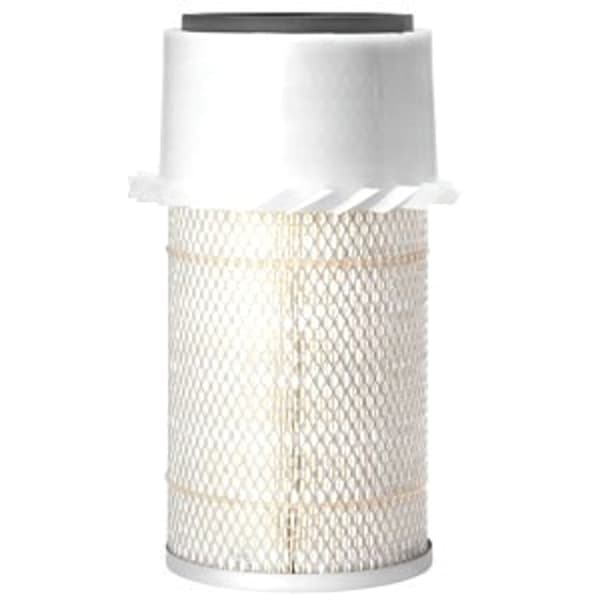
AF409KM - Primary (QTY 1) Air Filter
SKU: AF409KM
3 in stock
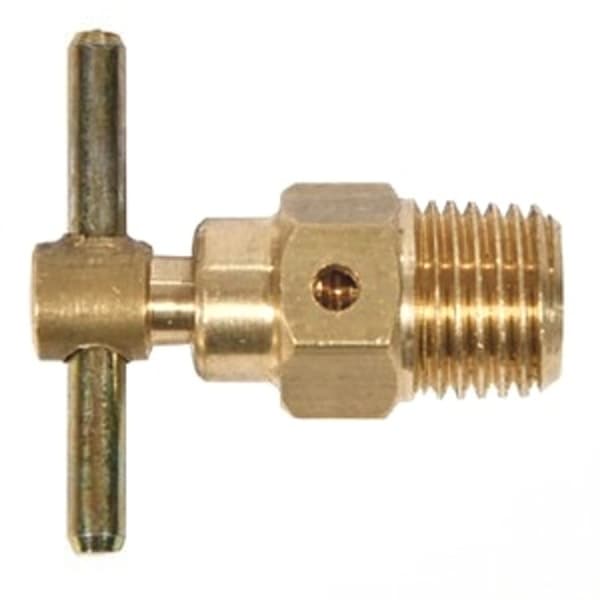
365333X1 - Radiator Drain Tap
SKU: 365333X1
164 in stock