John Deere 1175-HYDRO-WALKER Combine Parts
The John Deere 1175 HYDRO WALKER combine, produced from 1979 to 1982, offered farmers a reliable grain harvesting solution. Equipped with a John Deere diesel engine producing around 105 HP, it provided ample power for its time. These combines were typically paired with header widths ranging from 13 to 18 feet and featured a conventional walker separation system, which appealed to farmers seeking a simple and effective harvest.
The John Deere 1175 HYDRO WALKER was introduced in 1979 and remained in production until 1982. This combine was powered by a John Deere 4276D 4.5L 4-cylinder diesel engine, delivering approximately 105 horsepower. The 1175 utilizes a conventional threshing system with a 43-inch wide cylinder and four walker straw walkers for separating grain from the straw. Its grain tank capacity is around 75 bushels, and the unloading auger discharges at a rate of approximately 25 bushels per minute. Available header widths ranged from 13 to 18 feet, allowing farmers to adapt to different field conditions and crop types. Chopper and spreader options were available to manage residue after harvest. The cab provided operators with basic controls and visibility, designed for operator comfort during long days in the field. The 1175 excelled in harvesting wheat, soybeans, and other small grains, owing to its efficient conventional separation system.
Specifications
| Engine | John Deere 4276D 105 HP 4.5L Diesel |
|---|---|
| Separator Type | Conventional - 43 inch wide cylinder, 4 walker |
| Grain Tank | 75 bushels |
| Unloading Rate | 25 bu/min |
| Header Widths | 13-18 ft |
| Fuel Capacity | 35 gallons |
| Weight | 12,000 lbs (approximate) |
| Years Produced | 1979-1982 |
Maintenance Tips
- Concave Adjustment: Regularly inspect and adjust the concave clearance to match the crop being harvested. Proper concave setting minimizes grain damage and maximizes threshing efficiency.
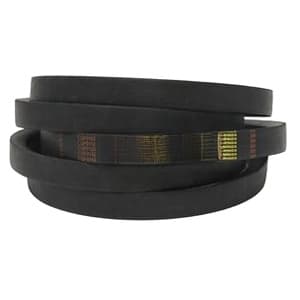
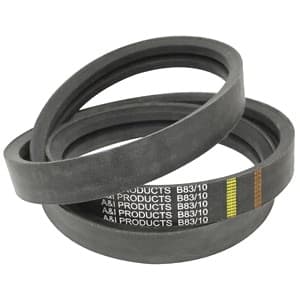
- Belt and Chain Tension: Check and maintain proper tension on all belts and chains. Loose belts and chains can slip, causing inefficient operation and premature wear.
- Sieve and Chaffer Cleaning: Clean the sieves and chaffer screens regularly to prevent buildup of chaff and debris. Clogged sieves reduce cleaning capacity and can lead to grain loss.
- Bearing Greasing: Lubricate all grease fittings on a regular basis, especially before and during harvest season. Proper lubrication extends bearing life and prevents costly breakdowns.
History & Background
The John Deere 1175 HYDRO WALKER was released in the late 1970s as a mid-sized conventional combine. It represented a continuation of John Deere's commitment to providing reliable and affordable harvesting solutions for farmers. While not a revolutionary design, it filled a crucial need for a dependable and manageable combine in its era.
Frequently Asked Questions
What engine is in the John Deere 1175 HYDRO WALKER?
The John Deere 1175 HYDRO WALKER is equipped with a John Deere 4276D 4.5L 4-cylinder diesel engine, producing approximately 105 horsepower.
What is the grain tank capacity on a 1175 HYDRO WALKER?
The grain tank capacity of the John Deere 1175 HYDRO WALKER is approximately 75 bushels, with an unloading rate of around 25 bushels per minute.
What type of separator does the 1175 HYDRO WALKER have?
The John Deere 1175 HYDRO WALKER uses a conventional threshing system with a 43-inch wide cylinder and four walker straw walkers.
What are common parts needed for the 1175 HYDRO WALKER?
Common wear parts for the John Deere 1175 HYDRO WALKER include concaves, rasp bars, belts, chains, bearings, auger fingers, and sickle sections.