



Case IH 700 Combine Parts
700 parts and accessories
The Case IH 700 combine, produced in the late 1970s, was a popular choice for farmers seeking a reliable and efficient harvesting solution. These machines typically featured engines in the 140-160 HP range and offered header widths up to 20 feet, depending on the configuration. Known for its robust conventional threshing system, the 700 delivered solid performance in various grain harvesting applications.
The Case IH 700 series combines were introduced in the late 1970s, offering a blend of affordability and capability for smaller to medium-sized farms. These machines were commonly equipped with an International Harvester engine producing between 140 and 160 horsepower, with a displacement around 400 cubic inches. A key feature was its conventional threshing system, utilizing a cylinder and concave setup for efficient grain separation. The grain tank could hold approximately 150-170 bushels, and the unloading auger transferred grain at a rate of roughly 50-60 bushels per minute. Header widths typically ranged from 13 to 20 feet. Options included straw choppers and spreaders for residue management. The cab, while not as advanced as later models, provided basic operator comfort and visibility. The Case IH 700 excelled in harvesting wheat, soybeans, and corn, due to its relatively simple and dependable design. Regular maintenance was key to keeping these machines operating at peak performance.
Specifications
| Engine | International Harvester 140-160 HP Diesel |
|---|---|
| Separator Type | Conventional - Cylinder and Concave |
| Grain Tank | 150-170 bushels |
| Unloading Rate | 50-60 bu/min |
| Header Widths | 13-20 ft |
| Fuel Capacity | 65 gallons |
| Weight | Approximately 14,000 lbs |
| Years Produced | Late 1970s |
Maintenance Tips
- Concave Adjustment: Regularly check and adjust the concave clearance based on the crop being harvested. Proper adjustment minimizes grain damage and maximizes threshing efficiency.
- Belt and Chain Tension: Inspect and maintain proper tension on all belts and chains. Loose belts or chains can lead to slippage, reduced performance, and premature wear.
- Sieve and Chaffer Cleaning: Regularly clean the sieves and chaffer to remove debris and chaff. Clogged sieves reduce grain separation and increase grain loss.
- Bearing Greasing: Grease all bearings according to the manufacturer's recommendations. Proper lubrication extends bearing life and prevents costly breakdowns.
History & Background
The Case IH 700 series combines were introduced in the late 1970s as part of a line of reliable and relatively affordable harvesting machines. While not revolutionary in design, they were widely adopted by farmers seeking a dependable combine for diverse crops. Their longevity and ease of maintenance have contributed to their continued use on many farms today.
Frequently Asked Questions
What engine is in the Case Ih 700?
The Case IH 700 typically features an International Harvester diesel engine, producing between 140 and 160 horsepower, with a displacement around 400 cubic inches.
What is the grain tank capacity on a 700?
The grain tank capacity of the Case IH 700 is approximately 150-170 bushels, and the unloading rate is around 50-60 bushels per minute.
What type of separator does the 700 have?
The Case IH 700 utilizes a conventional threshing system with a cylinder and concave arrangement for grain separation.
What are common parts needed for the 700?
Common wear parts for the Case IH 700 include concaves, rasp bars, belts, chains, bearings, auger fingers, and sickle sections. Regular replacement of these parts ensures optimal performance and prevents downtime.
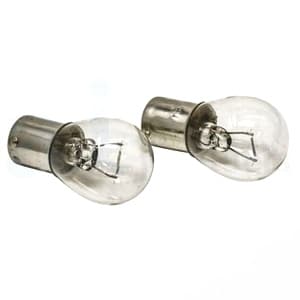
529068 - Bulb
SKU: 529068
159 in stock
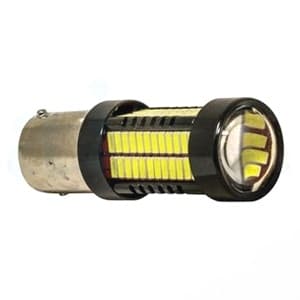
1156L24 - Replaces Bulb #1156 (2 Pack) 2400 Lumens LED Bulb
SKU: 1156L24
49 in stock
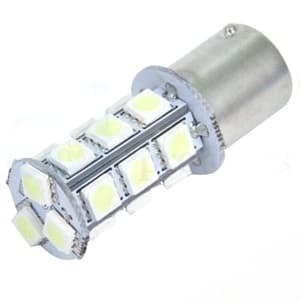
1156-LED - Replaces Bulb #1156 (2 Pack) LED; 600 Lumens Bulb
SKU: 1156-LED
206 in stock

LF3530J - Full-Flow Spin-On (QTY 1) Lube Filter
SKU: LF3530J
Out of stock

LF3530 - Full-Flow Spin-On (QTY 12) Lube Filter
SKU: LF3530
Out of stock
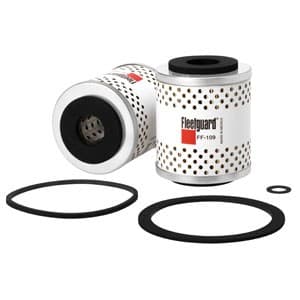
FF109J - Cartridge (QTY 1) Fuel Filter
SKU: FF109J
Out of stock
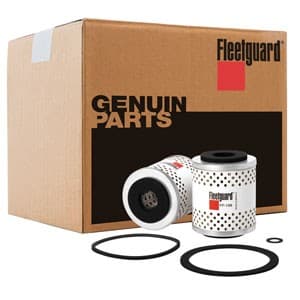
FF109 - Cartridge (QTY 12) Fuel Filter
SKU: FF109
11 in stock