



Case IH 64 Combine Parts
64 parts and accessories
The Case IH 64 combine, produced from the early to mid-1970s, was known for its reliability and efficient grain harvesting. Powered by a [Engine HP] HP engine, these combines were available with header widths ranging from [Widths] feet, making them suitable for a variety of farm sizes. Its conventional threshing system and robust design made the Case IH 64 a popular choice for farmers harvesting wheat, soybeans, and corn during its production run.
The Case IH 64 combine was a workhorse of the 1970s, building upon Case IH's reputation for dependable agricultural machinery. Production ran from [Start Year] to [End Year], offering farmers a solid and straightforward harvesting solution. The engine was typically a [Engine Brand] [Engine HP] HP [Engine Displacement] cubic inch diesel engine, providing ample power for its time. The Case IH 64 utilized a conventional threshing system with a [Cylinder Width]-inch wide cylinder. Its grain tank held approximately [Bushels] bushels, and it unloaded at a rate of about [Bu/min] bushels per minute. Available header widths ranged from [Widths] feet, catering to diverse field sizes and crop types. While chopper and spreader options varied, the combine focused on efficient grain separation and cleaning. Cab features were relatively basic compared to modern machines, prioritizing functionality and operator comfort. The Case IH 64 excelled at harvesting various grains, including wheat, soybeans, and corn, across diverse terrains.
Specifications
| Engine | [Engine Brand] [Engine HP] HP [Engine Displacement] Diesel |
|---|---|
| Separator Type | Conventional - [Cylinder Width]-inch wide |
| Grain Tank | [Bushels] bushels |
| Unloading Rate | [Bu/min] bu/min |
| Header Widths | [Widths] ft |
| Fuel Capacity | [Gallons] gallons |
| Weight | [Weight] lbs |
| Years Produced | [Start Year]-[End Year] |
Maintenance Tips
- Concave Adjustment: Regularly check and adjust concave clearance according to the crop being harvested to optimize threshing performance and minimize grain damage.
- Belt and Chain Tension: Inspect and maintain proper tension on all belts and chains to ensure efficient power transmission and prevent premature wear.
- Sieve and Chaffer Cleaning: Frequently clean the sieves and chaffer to remove debris and ensure efficient grain cleaning and separation.
- Bearing Greasing: Regularly grease all bearings according to the manufacturer's recommendations to prevent friction and extend bearing life.
History & Background
The Case IH 64 combine was introduced in [Start Year] as a reliable and versatile harvesting solution. It offered a balance of power and simplicity that resonated with farmers. While it didn't undergo major redesigns during its production run, it represents a significant era in combine harvester history, bridging the gap between older, simpler machines and the more technologically advanced combines of the late 20th century.
Frequently Asked Questions
What engine is in the Case Ih 64?
The Case IH 64 is typically equipped with a [Engine Brand] [Engine HP] HP [Engine Displacement] cubic inch diesel engine.
What is the grain tank capacity on a 64?
The grain tank capacity on the Case IH 64 is approximately [Bushels] bushels, with an unloading rate of about [Bu/min] bushels per minute.
What type of separator does the 64 have?
The Case IH 64 utilizes a conventional threshing system with a [Cylinder Width]-inch wide cylinder.
What are common parts needed for the 64?
Common wear parts for the Case IH 64 include concaves, rasp bars, belts, chains, bearings, auger fingers, and sickle sections.

107304C91 - 6 Volt Positive Ground Electronic Ignition New Distributor
SKU: 107304C91
2 in stock
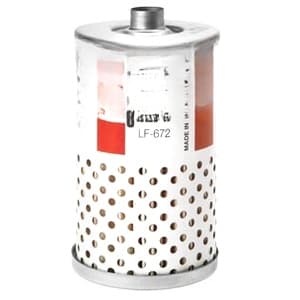
LF672J - Cartridge (QTY 1) Lube Filter
SKU: LF672J
Out of stock
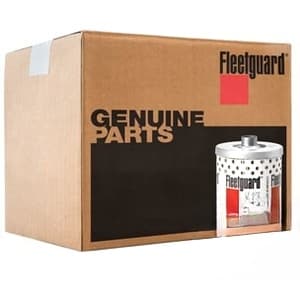
LF672 - Cartridge (QTY 12) Lube Filter
SKU: LF672
Out of stock

LF618 - Cartridge (QTY 6) Lube Filter
SKU: LF618
Out of stock
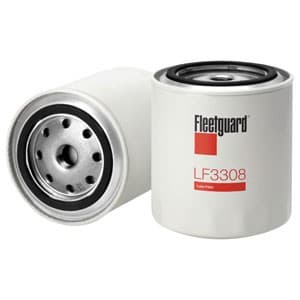
LF3308J - Spin-On (QTY 1) Lube Filter
SKU: LF3308J
Out of stock
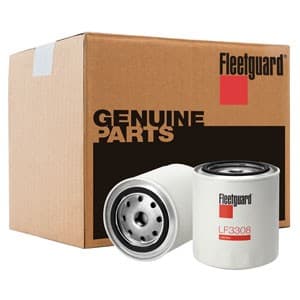
LF3308 - Spin-On (QTY 12) Lube Filter
SKU: LF3308
5 in stock