



Case IH 400 Combine Parts
400 parts and accessories
The Case IH 400 combine, manufactured from 1969 to 1971, was a reliable workhorse powered by a robust engine offering around 105 HP. Known for its dependable conventional threshing system and ability to handle a variety of crops like wheat and soybeans, the 400 offered header widths up to 13 feet. Its simple design and efficient operation made it a popular choice for farmers seeking a cost-effective harvesting solution.
The Case IH 400 combine was introduced in 1969 and remained in production until 1971. This machine was powered by an International Harvester engine, a 304 cubic inch gasoline engine producing approximately 105 horsepower. The 400 utilizes a conventional threshing system, featuring a cylinder and concave. Grain tank capacity is approximately 75 bushels with an unloading auger capable of unloading at around 30 bushels per minute. Header widths available ranged from 10 to 13 feet, catering to various field sizes and crop types. While chopper/spreader options were less common than in later models, some units may have been equipped with straw choppers. Cab features were basic, offering operator protection and essential controls. The Case IH 400 was particularly well-suited for harvesting wheat, soybeans, and other small grains, providing a straightforward and dependable harvesting experience.
Specifications
| Engine | International Harvester 105 HP 304 CID Gasoline |
|---|---|
| Separator Type | Conventional - 40 inch Cylinder Width |
| Grain Tank | 75 bushels |
| Unloading Rate | 30 bu/min |
| Header Widths | 10-13 ft |
| Fuel Capacity | 27 gallons |
| Weight | 8,000 lbs |
| Years Produced | 1969-1971 |
Maintenance Tips
- Concave Adjustment: Regularly check and adjust concave clearance to optimize threshing performance and minimize grain damage. Refer to the operator's manual for specific settings based on the crop being harvested.
- Belt and Chain Tension: Inspect belt and chain tension before each use, ensuring they are properly adjusted to prevent slippage and premature wear. Replace worn belts and chains promptly.
- Sieve and Chaffer Cleaning: Clean sieves and chaffers regularly to remove debris and ensure proper grain separation. Clogged sieves reduce efficiency and can lead to grain loss.
- Bearing Greasing: Grease all bearings according to the manufacturer's recommendations to maintain smooth operation and extend bearing life. Pay particular attention to bearings on the header, cylinder, and unloading auger.
History & Background
The Case IH 400 was introduced in 1969 as a mid-sized combine offering a blend of affordability and capability for farmers. It was a key machine in the Case IH lineup during the late 1960s and early 1970s. While not revolutionary, the 400 contributed to the evolution of combine technology by providing a reliable and efficient harvesting solution for a wide range of agricultural operations.
Frequently Asked Questions
What engine is in the Case Ih 400?
The Case IH 400 is equipped with an International Harvester 304 cubic inch gasoline engine producing approximately 105 horsepower.
What is the grain tank capacity on a 400?
The grain tank capacity on the Case IH 400 is approximately 75 bushels, with an unloading rate of around 30 bushels per minute.
What type of separator does the 400 have?
The Case IH 400 utilizes a conventional threshing system with a 40-inch wide cylinder and concave.
What are common parts needed for the 400?
Common parts needed for the Case IH 400 include concaves, rasp bars, belts, chains, bearings, auger fingers, and sickle sections.
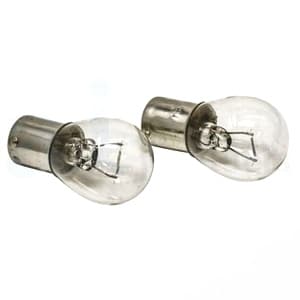
529068 - Bulb
SKU: 529068
159 in stock
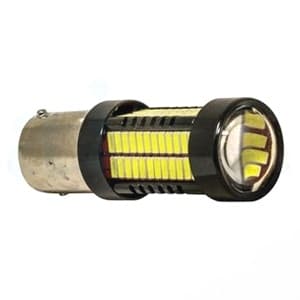
1156L24 - Replaces Bulb #1156 (2 Pack) 2400 Lumens LED Bulb
SKU: 1156L24
49 in stock
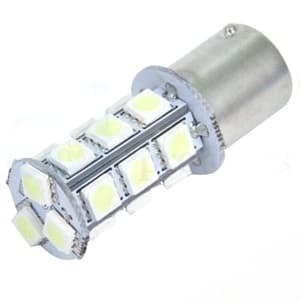
1156-LED - Replaces Bulb #1156 (2 Pack) LED; 600 Lumens Bulb
SKU: 1156-LED
206 in stock

1963810C2 - Heavy Duty Brake Disc
SKU: 1963810C2
240 in stock
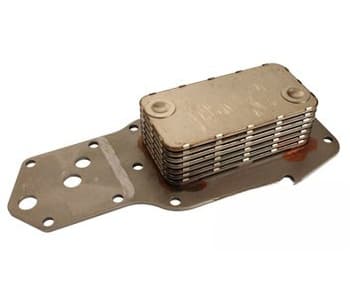
87416028 - Oil Cooler
SKU: 87416028
10 in stock

84145405 - Connecting Rod
SKU: 84145405
8 in stock