








Mower Deck Lift Linkage & Height Adjustment Parts
The mower deck lift linkage is critical for achieving the perfect cut height. Learn how to adjust, troubleshoot, and maintain this system for optimal performance and even lawns.
Achieving a perfectly manicured lawn requires more than just a sharp blade and a powerful engine. The mower deck lift linkage plays a crucial role in setting and maintaining the correct cutting height. This system, often overlooked, is responsible for raising and lowering the mower deck evenly, ensuring a consistent and professional-looking cut. At Madison Tractor, we understand the importance of every component in your outdoor power equipment. This guide will walk you through the basics of mower deck lift linkages, common problems, troubleshooting tips, and how to find the right replacement parts to keep your mower operating at its best.
Recommended Parts for This Guide
1 part we recommend — in stock, ships fast, one-click add to cart.
🔍 Looking for a specific part? Try our AI Part Finder — tell it your equipment and what you need, and it will find matching parts instantly.
Understanding the Mower Deck Lift Linkage
The mower deck lift linkage is a system of mechanical components that connect the height adjustment lever or dial to the mower deck. It typically consists of:
- Lift Arms: These are the primary levers that directly connect to the mower deck.
- Lift Links: Connecting rods that transmit motion from the height adjustment mechanism to the lift arms.
- Adjustment Knobs/Levers: Allow the operator to select the desired cutting height.
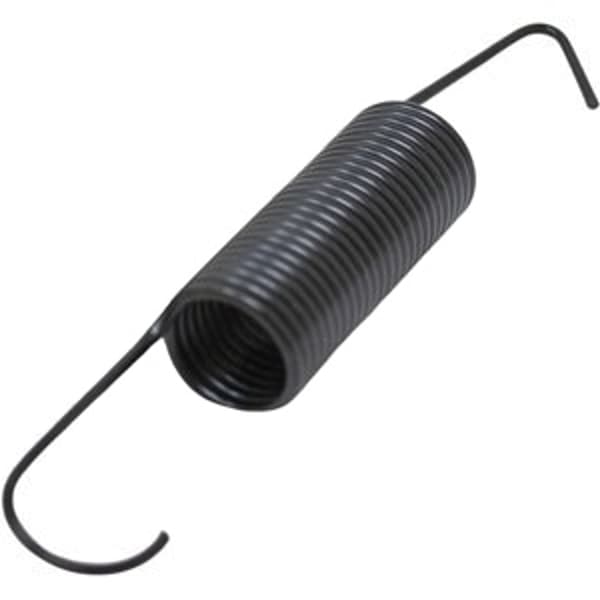
- Springs and Brackets: Provide support and tension to the system.
- Pivot Points: Points where components rotate, often utilizing bushings or bearings.
The system works by translating the operator's height selection into a physical movement of the lift arms, raising or lowering the mower deck to the specified height. The complexity of the system varies depending on the mower model and brand. You'll find variations across brands like John Deere, Craftsman, Cub Cadet, Husqvarna, Toro, and others. Some mowers use a simple mechanical linkage, while others incorporate more complex mechanisms with multiple pivot points and adjustable links.
Common Problems with Mower Deck Lift Linkage
Over time, the mower deck lift linkage can experience wear and tear, leading to several common problems:
- Uneven Cutting Height: This is often the most noticeable symptom, where one side of the mower cuts higher or lower than the other.
- Difficulty Adjusting Cutting Height: The height adjustment lever may become stiff or difficult to move.
- Deck Not Staying at Desired Height: The deck may drift down during operation, requiring frequent readjustment.
- Rattling or Clanking Noises: Loose or worn components can cause excessive noise during operation.
- Bent or Broken Linkage Components: Impacts with obstacles or general wear can damage the linkage parts.
- Rust and Corrosion: Especially in older mowers, rust can seize up moving parts.
These problems can be caused by:
- Worn Bushings and Bearings: Pivot points become loose, leading to slop and uneven movement. Remember to check your mower spindle bearings regularly, as issues there can sometimes be mistaken for lift linkage problems.
- Stretched or Damaged Springs: Loss of tension affects the deck's ability to maintain the selected height.
- Bent or Distorted Linkage Rods: Impacts or excessive force can bend the rods, affecting the geometry of the system.
- Lack of Lubrication: Dry pivot points can bind and wear prematurely.
Troubleshooting Your Mower Deck Lift Linkage
Before replacing any parts, it's essential to diagnose the problem accurately. Here's a step-by-step troubleshooting guide:
- Visual Inspection: Carefully examine the entire linkage system for any signs of damage, wear, or corrosion. Look for bent rods, cracked welds, worn bushings, and loose connections.
- Check for Play: With the mower off and the parking brake engaged, try moving each component of the linkage system by hand. Excessive play or looseness indicates worn bushings or pivot points.
- Lubricate Pivot Points: Apply a quality lithium grease to all pivot points and moving parts. This can often resolve stiffness and binding issues.
- Adjust Linkage: Some mowers have adjustable linkage rods. Consult your owner's manual for the correct adjustment procedure. Improperly adjusted linkages can cause uneven cutting heights.
- Check Deck Level: Park the mower on a level surface and measure the distance from the bottom of the deck to the ground at several points. If the deck is not level, adjust the linkage until it is.
Safety First! Always disconnect the spark plug wire before working on your mower's deck or any moving parts. Wear gloves and eye protection to prevent injury.
Repairing and Replacing Mower Deck Lift Linkage Parts
Once you've identified the problem, you can decide whether to repair or replace the affected parts. Minor issues like loose connections or surface rust can often be repaired. However, severely damaged or worn components should be replaced for optimal performance. Consider these points:
- Welding: Minor cracks in brackets or lift arms can sometimes be welded. However, ensure the weld is strong and properly aligned.
- Bushing Replacement: Worn bushings can be pressed out and replaced with new ones. Use the correct size and type of bushing for your mower model.
- Linkage Rod Replacement: Bent or broken linkage rods should always be replaced. Using a damaged rod can compromise the entire system.
- Spring Replacement: Stretched or broken springs should be replaced with new ones of the correct tension and length.
When replacing parts, always use genuine or high-quality aftermarket components from a reputable supplier. Madison Tractor carries a wide selection of mower deck lift linkage parts for various brands, including John Deere, Craftsman, Cub Cadet, Husqvarna, Toro, Ariens, Murray, Hustler, Scag, Exmark, Ferris, Snapper, Simplicity, and Dixie Chopper. Be sure to check your mower deck pulleys, idler pulleys and spindle bearings too. Worn pulleys or bad spindle bearings can put excessive strain on the deck lift linkage.
When searching for the right parts, it's helpful to have your mower's model number handy. This will ensure you get the correct components for your specific machine. For example, if you own a John Deere, knowing the model number will make finding the right John Deere mower spindle much easier, and the same applies when you're looking at lift linkage parts.
Maintaining Your Mower Deck Lift Linkage
Preventive maintenance is key to extending the life of your mower deck lift linkage and avoiding costly repairs. Here are some tips:
- Regular Lubrication: Lubricate all pivot points and moving parts with a quality lithium grease at least once a season, or more frequently if you mow in dusty conditions.
- Inspect Regularly: Inspect the linkage system for signs of wear, damage, or corrosion before each mowing season.
- Clean Debris: Remove grass clippings and debris from the linkage system after each use. This will prevent corrosion and binding.
- Store Properly: Store your mower in a dry place to prevent rust and corrosion.
- Avoid Impacts: Be careful when mowing around obstacles to avoid impacts that can damage the linkage system.
Find Your Mower Deck Lift Linkage Parts at Madison Tractor
Keeping your mower deck lift linkage in top condition is essential for achieving a perfect cut every time. By understanding the system, troubleshooting common problems, and performing regular maintenance, you can extend the life of your mower and enjoy a beautifully manicured lawn for years to come. Madison Tractor Company is your trusted source for high-quality mower parts and accessories. Shop our selection of John Deere parts, Craftsman parts, Cub Cadet parts, Husqvarna parts, and more! Our knowledgeable staff is here to help you find the right parts for your specific needs. Visit our website or contact us today to learn more! You can also use our AI-Powered Part Finder to search for parts by your specific make and model.
Part of our comprehensive guide
Mower Spindle Assembly Guide: Find the Right Spindle for Your Deck