








Mower Blade Engagement Cable & PTO Cable
The blade engagement cable, or PTO cable, is crucial for safely operating your mower. This guide covers how to diagnose problems, adjust the cable, and replace it if necessary.
Understanding Your Mower's blade engagement cable
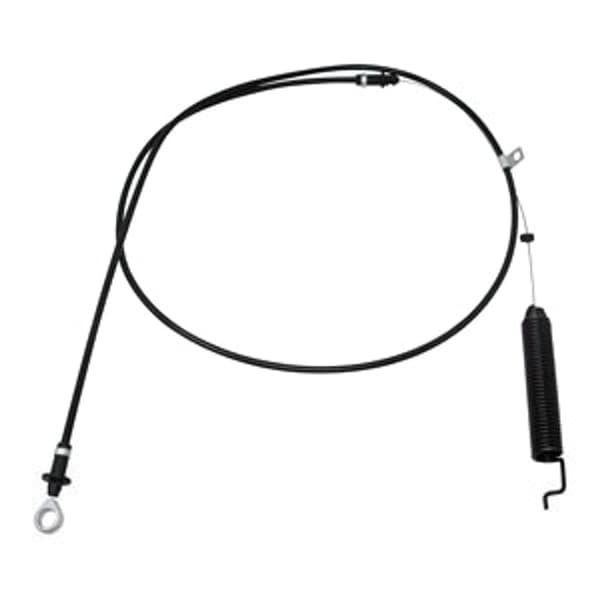
The blade engagement cable, often referred to as the PTO (Power Take-Off) cable, is a critical component in your lawn mower's safety system. It's the connection between the lever or switch you use to engage the blades and the actual mechanism that activates the cutting blades. When you pull or push the engagement lever, the cable transmits that force to either engage a clutch (in electric PTO systems) or move an idler pulley that tightens the mower deck belt (in mechanical PTO systems).
Recommended Parts for This Guide
9 parts we recommend — in stock, ships fast, one-click add to cart.
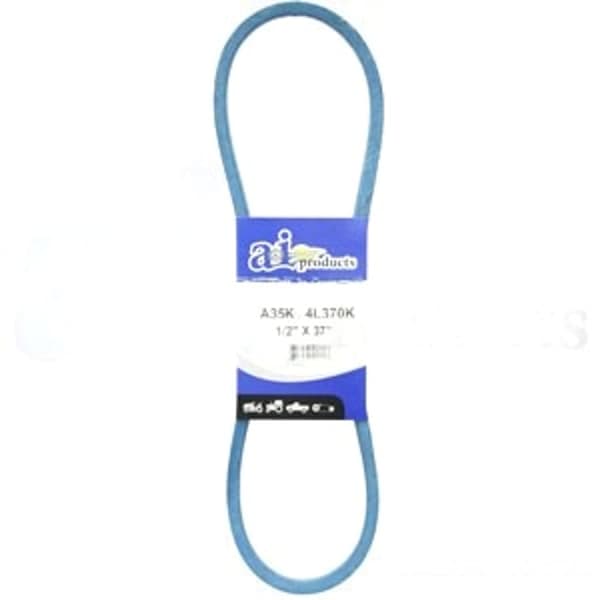
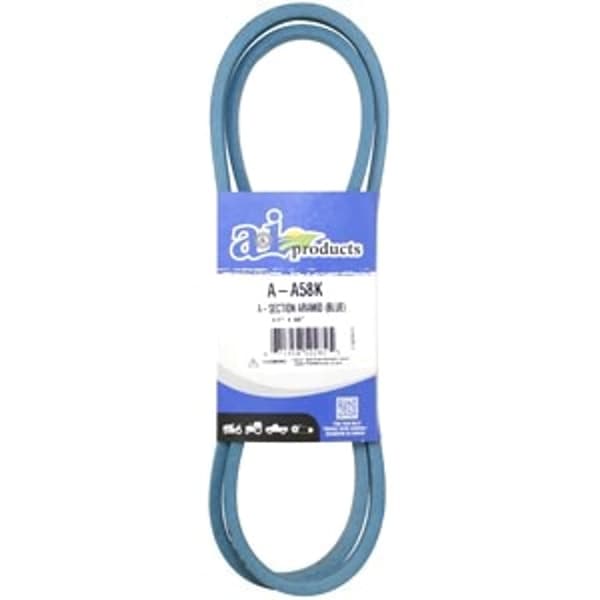
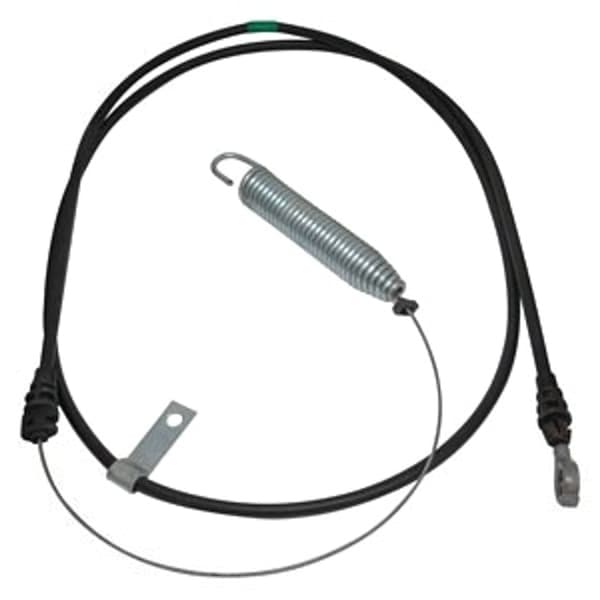
🔍 Looking for a specific part? Try our AI Part Finder — tell it your equipment and what you need, and it will find matching parts instantly.
A properly functioning blade engagement cable ensures that your blades start and stop when you intend them to, preventing accidents and ensuring safe operation. This is essential for brands like John Deere, Cub Cadet, Craftsman, and Husqvarna, where operator safety is paramount.
There are generally two types of PTO systems found on mowers and tractors:
- Mechanical PTO: Uses a cable to mechanically engage an idler pulley, which in turn tightens the belt driving the mower deck pulleys and blades.
- Electric PTO: Uses a cable or linkage to activate an electric clutch, which engages the mower deck.
Common Signs of a Faulty Blade Engagement Cable
Knowing the signs of a failing blade engagement cable can help you address the issue before it leads to more significant problems. Here are some common indicators:
- Blades won't engage: You pull or push the lever, but the blades don't start spinning.
- Blades won't disengage: Even with the lever in the off position, the blades continue to spin. Safety Warning: If your blades won't disengage, immediately shut off the engine and disconnect the spark plug wire to prevent accidental starts.
- Difficult engagement: You have to exert excessive force to engage or disengage the blades.
- Inconsistent engagement: The blades sometimes engage and sometimes don't, or they engage intermittently.
- Visible damage: The cable is frayed, kinked, stretched, or broken.
Diagnosing a Blade Engagement Cable Problem
Before replacing the cable, it's important to diagnose the problem correctly. Here's a step-by-step approach:
- Visual Inspection: Check the entire length of the cable for any signs of damage, such as fraying, kinks, or breaks. Pay close attention to the ends where the cable connects to the lever and the engagement mechanism.
- Cable Tension: With the engine off, try engaging and disengaging the blades. Observe the cable's movement. If the cable feels loose or doesn't move the engagement mechanism sufficiently, it may be stretched or broken.
- Check the Linkage: Examine the linkage connecting the cable to the idler pulley or electric clutch. Make sure all connections are secure and that nothing is binding.
- Consult Your Mower's Manual: Your owner's manual for your Toro, Ariens, Murray, Hustler, Scag, Exmark, Ferris, Snapper, Simplicity, or Dixie Chopper mower will have specific diagrams and adjustment procedures for the blade engagement cable.
Adjusting a Blade Engagement Cable
Sometimes, a blade engagement problem can be resolved with a simple adjustment. Most cables have an adjustment mechanism near the lever or at the engagement point. Here's how to adjust it:
- Locate the Adjuster: The adjuster is usually a threaded barrel or a set screw located on the cable housing.
- Loosen the Lock Nut: If there's a lock nut, loosen it to allow you to turn the adjuster.
- Adjust the Cable Tension: Turn the adjuster to increase or decrease the cable tension. The goal is to have enough tension to fully engage the blades when the lever is in the on position, but not so much tension that the blades are partially engaged when the lever is off.
- Tighten the Lock Nut: Once you've achieved the correct tension, tighten the lock nut to secure the adjuster.
- Test the Engagement: Start the mower and test the blade engagement. If the problem persists, the cable may need to be replaced.
A stretched cable can also place undue stress on other components such as the mower deck idler pulley and the mower deck pulleys, leading to premature wear.
Replacing a Blade Engagement Cable
If adjustment doesn't solve the problem, or if the cable is visibly damaged, it's time to replace it. Here's a general guide, but always refer to your mower's service manual for specific instructions:
- Safety First: Disconnect the spark plug wire and remove the key to prevent accidental starts.
- Remove the Old Cable: Disconnect the cable from both the lever and the engagement mechanism (idler pulley or electric clutch). Note how the cable is routed to ensure you install the new cable correctly. You may need to remove some covers or guards to access the cable.
- Install the New Cable: Route the new cable in the same way as the old cable. Connect it to the lever and the engagement mechanism.
- Adjust the Cable Tension: Adjust the cable tension as described in the previous section.
- Test the Engagement: Start the mower and test the blade engagement. Make sure the blades engage and disengage smoothly and completely.
When replacing the cable, consider inspecting related parts like spindle assemblies, spindle bearings, belts, and blades. Worn or damaged components can contribute to cable failure or poor mower performance. For example, a damaged Cub Cadet spindle assembly can create excessive vibration, stressing the cable.
Safety Precautions
Working on your lawn mower can be dangerous if proper precautions aren't taken. Always follow these safety guidelines:
- Disconnect the Spark Plug: Always disconnect the spark plug wire before working on any part of the mower to prevent accidental starts.
- Wear Safety Glasses: Protect your eyes from debris.
- Use Gloves: Protect your hands from sharp edges and grease.
- Work in a Well-Ventilated Area: If you're using solvents or cleaners, work in a well-ventilated area.
- Consult Your Manual: Always refer to your mower's owner's manual for specific safety instructions and procedures.
Preventative Maintenance
Regular maintenance can help prevent blade engagement cable problems and extend the life of your mower. Here are some tips:
- Inspect the Cable Regularly: Check the cable for signs of wear or damage at least once a season.
- Lubricate the Cable: Apply a small amount of lubricant to the cable regularly to keep it moving smoothly.
- Keep the Mower Deck Clean: Remove debris from the mower deck to prevent it from interfering with the engagement mechanism.
- Store Your Mower Properly: Store your mower in a dry place to prevent rust and corrosion.
By following these tips, you can ensure that your blade engagement cable functions properly and that your mower operates safely and efficiently.
Finding the Right Parts
Madison Tractor Company carries a wide selection of blade engagement cables, PTO clutches, belts, blades, spindles, pulleys, filters, spark plugs, and other parts for John Deere, Craftsman, Cub Cadet, Husqvarna, Toro, Ariens, Murray, Hustler, Scag, Exmark, Ferris, Snapper, Simplicity, and Dixie Chopper mowers. We offer high-quality replacement parts at competitive prices.
Shop Madison Tractor for All Your Mower Part Needs
Don't let a faulty blade engagement cable keep you from enjoying a well-manicured lawn! At Madison Tractor, we have the parts and expertise you need to keep your mower running smoothly. Browse our extensive online catalog or contact our knowledgeable staff for assistance. We are committed to providing you with the best possible service and the highest quality parts. We can help you find the correct Craftsman mower spindle, Husqvarna spindle assembly, or any other part you might need. You can also use our AI-Powered Part Finder to search for parts by your specific make and model.
Part of our comprehensive guide
Mower Spindle Assembly Guide: Find the Right Spindle for Your Deck