








When to Replace vs Repair: Is Your Mower Worth Fixing?
Is your mower on its last legs? Deciding between repair and replacement can be tough. This guide helps you weigh the costs and benefits to make the right choice for your lawn and budget.
Introduction: The Mower Repair or Replace Dilemma
Every lawn mower, whether it's a trusty John Deere, a hardworking Craftsman, or a nimble Husqvarna zero turn, eventually faces the inevitable: breakdown. When your mower sputters, stalls, or simply refuses to start, you're faced with a crucial decision: repair vs. replace mower. Choosing the right path can save you money and headaches, but it requires careful consideration. This guide from Madison Tractor Company will walk you through the factors to consider, helping you determine if your mower is worth fixing or if it's time to invest in a new machine.
Recommended Parts for This Guide
9 parts we recommend — in stock, ships fast, one-click add to cart.
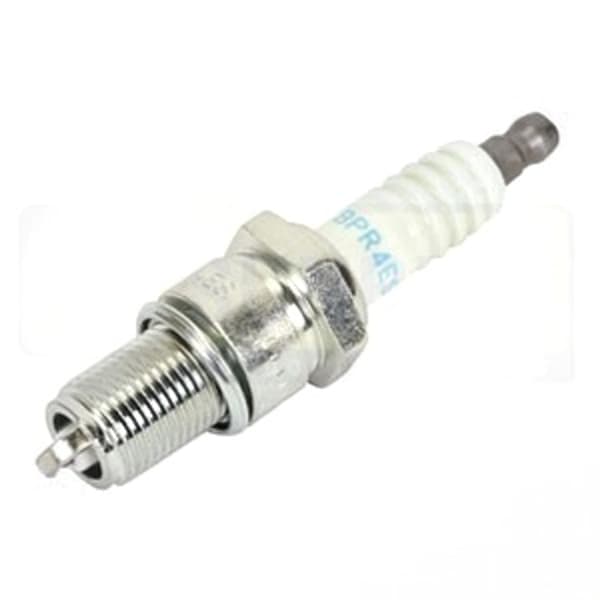
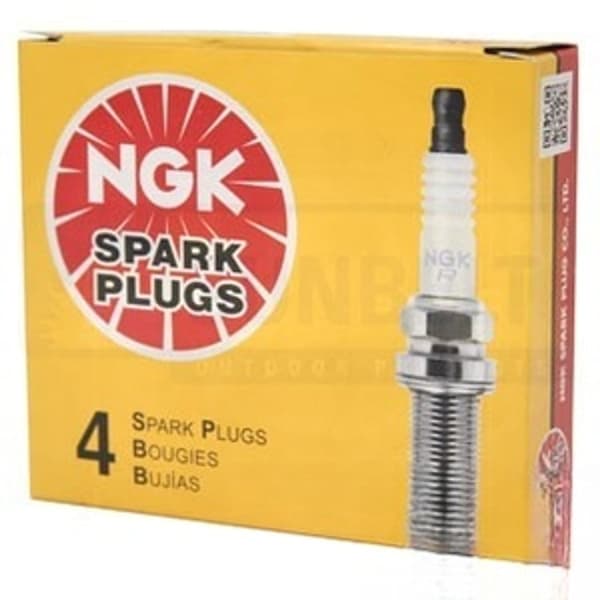
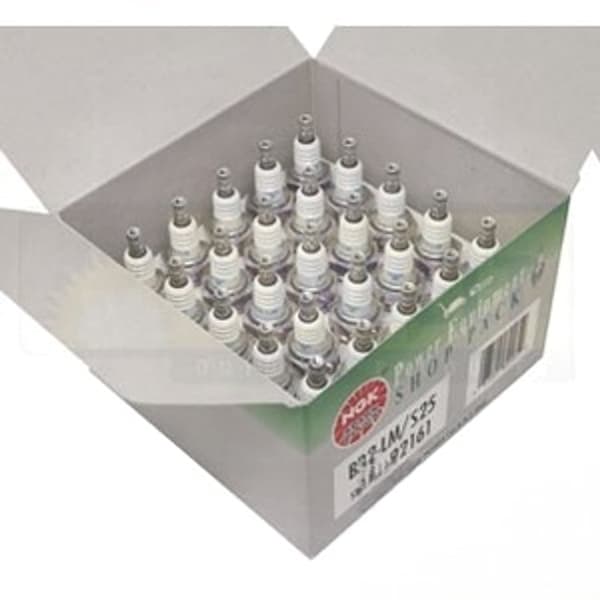
🔍 Looking for a specific part? Try our AI Part Finder — tell it your equipment and what you need, and it will find matching parts instantly.
We understand that finding the right parts is key to a successful repair. That's why we offer comprehensive resources like our OEM vs Aftermarket Mower Parts comparison guide, ensuring you get the quality you need. You can also use our John Deere parts lookup or Cub Cadet parts lookup tools to quickly find the exact parts you need by model number.
1. Initial Assessment: Identifying the Problem
Before you can decide whether to repair or replace, you need to diagnose the problem. Start by identifying the symptoms. Is the engine not starting? Is the mower running rough? Is there excessive vibration or noise? Once you have a good understanding of the symptoms, you can begin to narrow down the possible causes.
Common Mower Problems and Potential Causes
- Engine Won't Start: This could be due to a dead battery, a faulty spark plug, a clogged fuel filter, old fuel, or a problem with the carburetor.
- Engine Starts but Stalls: This could be caused by a dirty air filter, a clogged fuel filter, or a carburetor issue.
- Uneven Cut: This could be due to dull or damaged Blades, a bent mower deck, or uneven tire pressure.
- Excessive Vibration: This could indicate a bent crankshaft, loose blades, or worn bearings.
- Loud Noises: Grinding or squealing noises often point to worn bearings, a damaged spindle, or a loose belt.
Use our resources, such as the guides to find Husqvarna to Craftsman parts cross reference or MTD brands parts interchange, to help identify compatible parts based on your mower's manufacturer.
2. Age and Usage: How Much Life is Left?
The age and usage of your mower are crucial factors. A well-maintained mower used lightly for a small yard might have plenty of life left, even if it's a few years old. However, a heavily used mower on a large property may be nearing the end of its lifespan, regardless of age.
Typical Mower Lifespan
- Riding Mowers: 8-10 years with proper maintenance.
- Zero Turn Mowers: 7-10 years with proper maintenance.
- Walk-Behind Mowers: 5-8 years with proper maintenance.
Consider how many hours you've used your mower each year and the overall condition of the engine and other major components. If the engine is showing signs of wear, such as reduced power or increased oil consumption, it may be time to consider replacement.
3. Estimating Repair Costs: Parts and Labor
The next step is to estimate the cost of repairs. This involves identifying the necessary parts and determining the labor costs, if you're not doing the work yourself. Madison Tractor Company offers a wide selection of John Deere parts, Craftsman parts, Cub Cadet parts, and parts for other brands like Toro, Ariens, Murray, Hustler, Scag, Exmark, Ferris, Snapper, Simplicity, and Dixie Chopper.
Common Mower Parts and Their Costs
- Blades: $15 - $50 per blade (depending on size and brand)
- Belts: $20 - $80 (depending on size and type)
- Spark Plugs: $5 - $15 each
- Filters (Air, Fuel, Oil): $5 - $30 each
- Spindles: $50 - $200 each
- Pulleys: $20 - $100 each
- Carburetor: $50 - $200
- Engine Overhaul: $300 - $800+ (depending on the engine)
If you're comfortable performing the repairs yourself, you can save on labor costs. However, if you're not experienced, it's best to consult a qualified mechanic. Get an estimate for the total repair cost, including parts and labor, before making a decision.
4. The Cost-Benefit Analysis: Repair vs. Replace
Now, it's time to compare the cost of repairs to the cost of a new mower. Consider the following:
- Repair Costs: What is the total estimated cost of repairs?
- New Mower Costs: What is the price of a comparable new mower?
- Long-Term Reliability: Even after repairs, will other parts likely fail soon?
- Warranty: Does a new mower come with a warranty that would cover future repairs?
A general rule of thumb: If the cost of repairs exceeds 50% of the price of a new mower, it's usually more economical to replace it. However, this is just a guideline. Consider your personal circumstances and preferences.
5. Safety Considerations: Don't Cut Corners
Safety is paramount when working with lawn mowers. Before attempting any repairs, disconnect the spark plug wire to prevent accidental starting. Wear appropriate safety gear, such as gloves and eye protection. If you're not comfortable working on your mower, it's best to leave it to a qualified mechanic. Using the wrong parts or improper repair techniques can lead to serious injury. Ensure you are referencing the correct part by utilizing resources such as "Who Makes Craftsman Mowers Now? Parts Compatibility Guide" to reduce the risk of part failure or safety issues.
WARNING: Always disconnect the spark plug before performing any maintenance on your mower. Fuel is flammable, handle with care and in a well-ventilated area.
6. Environmental Impact: Responsible Disposal
If you decide to replace your mower, dispose of the old one responsibly. Many communities have recycling programs for appliances and other metal items. You can also contact a local scrap metal dealer or recycling center. Properly disposing of your old mower helps protect the environment and conserve resources.
7. Parts Availability: OEM and Aftermarket Options
Before committing to a repair, check the availability of parts. Madison Tractor Company stocks a wide range of OEM and aftermarket parts for most major mower brands. However, parts for older or less common models may be difficult to find. Be sure to consider the pros and cons of OEM vs aftermarket mower parts before making a purchase.
Finding the Right Parts
- Know Your Model Number: Use our guide on how to find your mower model number to ensure you get the correct parts.
- Use Online Parts Lookups: Utilize our John Deere parts lookup, Cub Cadet parts lookup, and Craftsman parts lookup tools to quickly find the parts you need.
- Consult a Parts Expert: If you're unsure about which parts you need, contact our knowledgeable customer service team for assistance.
Conclusion: Making the Right Choice
Deciding whether to repair or replace your mower is a personal decision based on several factors. By carefully assessing the problem, considering the age and usage of your mower, estimating repair costs, and weighing the cost-benefit analysis, you can make an informed decision that saves you money and ensures a well-maintained lawn. At Madison Tractor Company, we're here to help you every step of the way, providing the parts and expertise you need to keep your mower running smoothly or find the perfect replacement.
Ready to start your repair or find a replacement? Shop our extensive selection of lawn mower parts and accessories at Madison Tractor Company. From belts and blades to spark plugs and filters, we have everything you need to keep your lawn looking its best. You can also use our AI-Powered Part Finder to search for parts by your specific make and model.
Part of our comprehensive guide
OEM Parts Cross Reference Guide: Find Aftermarket Equivalents